 +62 859-2375-1379
 reservations@lombok-indonesia.org



 English
 العربية
 简体中文
 繁體中文
 Dansk
 Nederlands
 Français
 Deutsch
 हिन्दी
 Indonesia
 日本語
 한국어
 Melayu
 Polski
 Slovenščina
 Español
 ไทย
 Türkçe
 Українська
 Русский
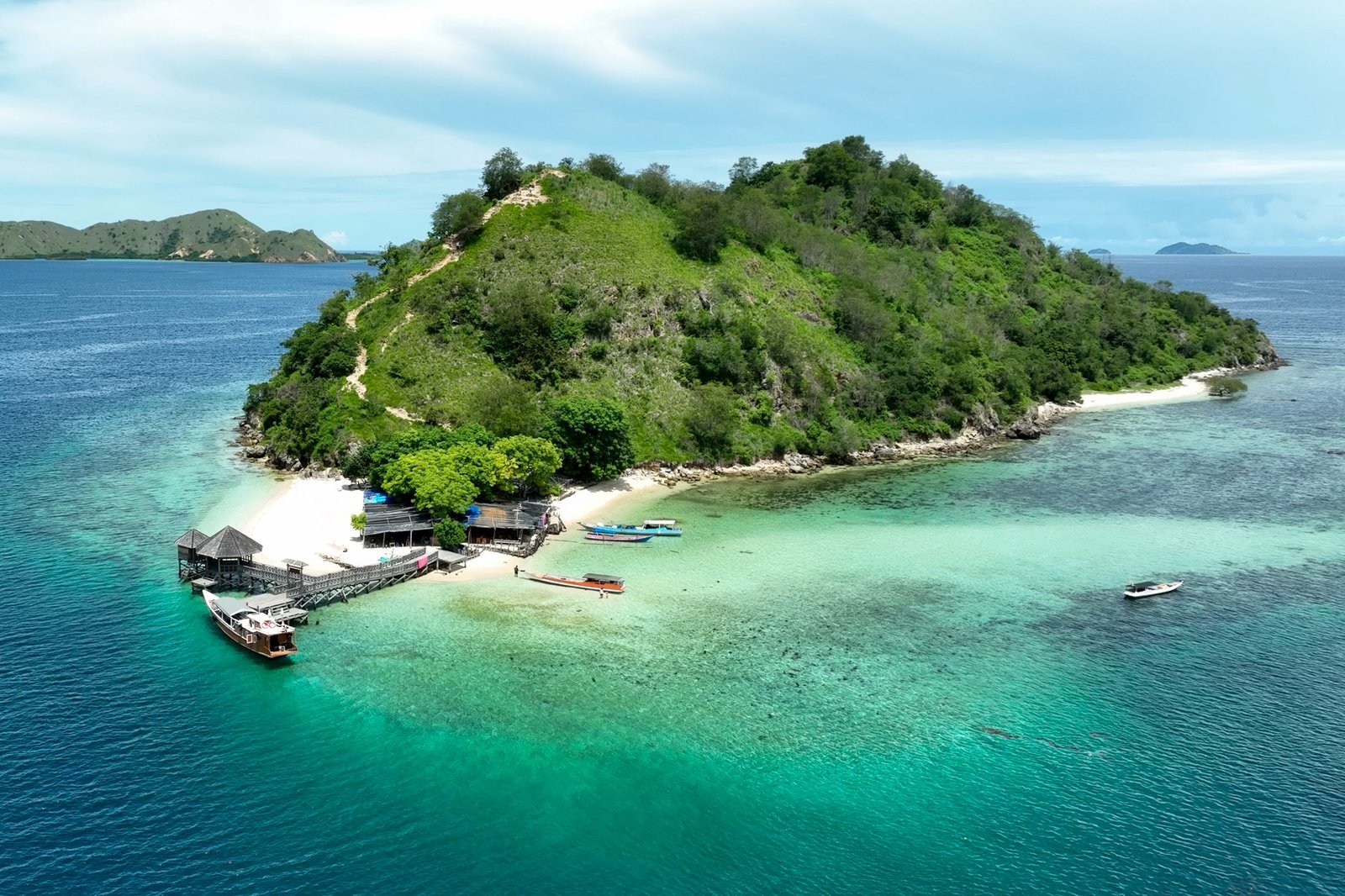
Earthquakes are a reality throughout Indonesia, including the Flores region near Komodo. If you feel shaking while on land in the park, move away from cliffs, rocky overhangs, and structures that could collapse. The Padar viewpoint trail, with its steep ridges and loose gravel, is particularly hazardous during seismic activity. Drop to the ground, cover your head, and hold your position until the shaking stops.
If you are on the boat when an earthquake occurs, the crew will assess the situation immediately. Captain Amar and the team are trained to check for tsunami warnings, sudden water displacement, and changes in anchoring. Modern boats are built to handle sea movement, but the primary risk after an underwater earthquake is tsunami. The crew will move the vessel to deeper water if a warning is issued, as tsunamis are less destructive in deep ocean than near shore.
After the shaking subsides, follow crew instructions without hesitation. Avoid returning to damaged trails or buildings until they are inspected. Indonesia has robust early warning systems, but remote areas rely on radio updates. Our satellite phones allow us to receive alerts even when cellular networks fail. Komodo is geologically active, but serious injuries from earthquakes are rare for visitors who stay calm and follow guidance.