 +62 859-2375-1379
 reservations@lombok-indonesia.org



 English
 العربية
 简体中文
 繁體中文
 Dansk
 Nederlands
 Français
 Deutsch
 हिन्दी
 Indonesia
 日本語
 한국어
 Melayu
 Polski
 Slovenščina
 Español
 ไทย
 Türkçe
 Українська
 Русский
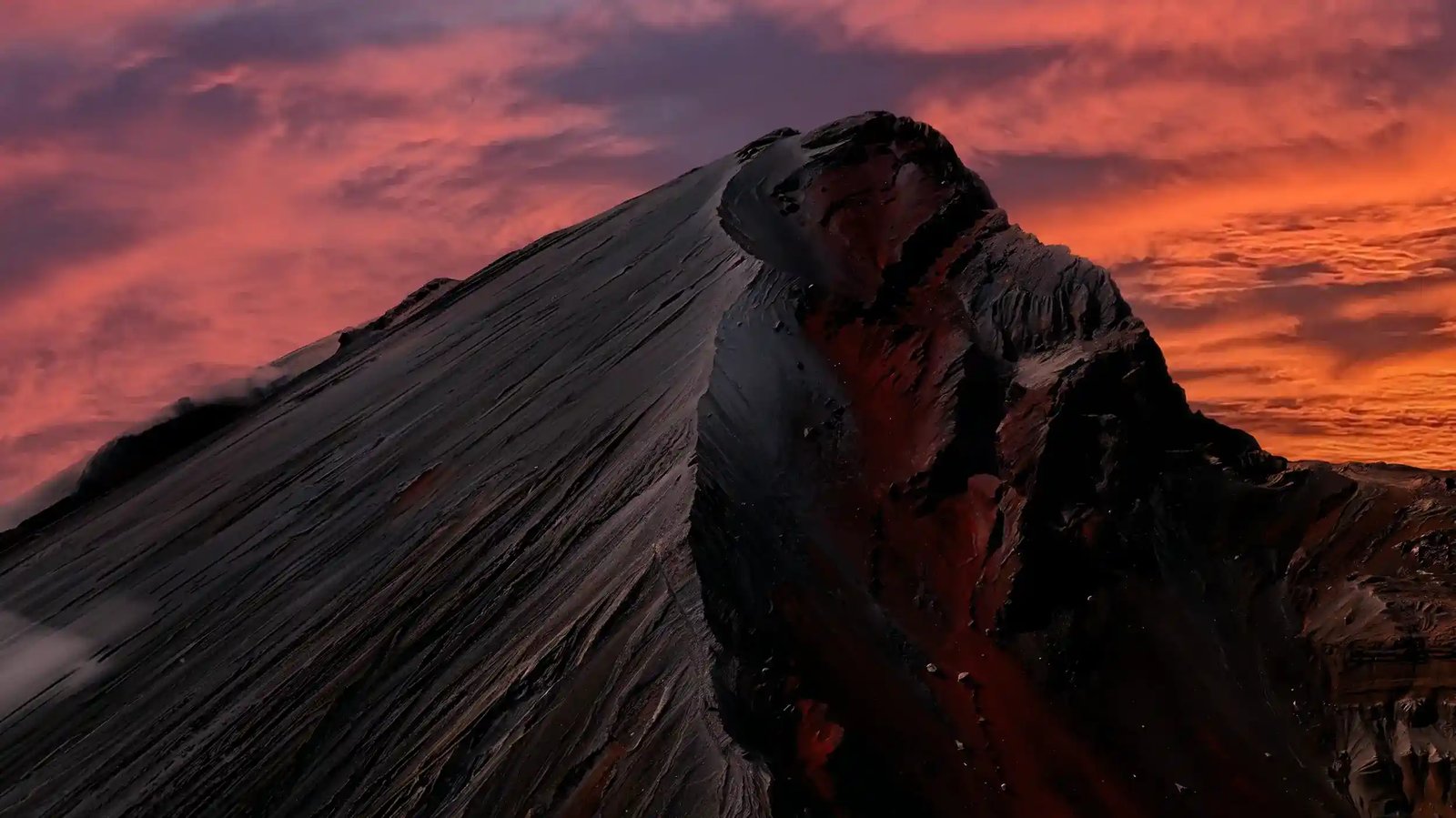
If Rinjani shows signs of increased volcanic activity during your trek, the response is immediate and systematic, designed first and foremost to get everyone off the mountain safely and quickly. The guides at Lombok-Indonesia.org are trained to treat any unusual seismic tremor, gas smell, or ash emission as a serious signal. They don’t wait around to see what happens.
They carry radios or cell phones to communicate with base operations and park authorities where signal permits. Their first action would be to stop the ascent, gather the group, and begin a controlled descent along the safest available trail, which is almost always the same route you came up, since the guides know every turn and rest point intimately. Familiar ground is safest in a crisis.
There’s no helicopter rescue on Rinjani, so evacuation is entirely on foot, which is why the guides emphasize steady pacing and route knowledge from the very beginning. Panic is the biggest enemy in such a situation, and the guides’ calm authority is designed to prevent that. They’ve rehearsed this scenario.
In the event of an official park closure while groups are already on the mountain, national park rangers coordinate with all trekking operators to manage simultaneous descents and account for every trekker. Modern volcanology provides substantial warning before major eruptions, and the 2015-2016 events demonstrated that the closure system works. Your job as a trekker is to follow your guide’s instructions without hesitation and trust they’ve rehearsed exactly this scenario.