 +62 859-2375-1379
 reservations@lombok-indonesia.org



 English
 العربية
 简体中文
 繁體中文
 Dansk
 Nederlands
 Français
 Deutsch
 हिन्दी
 Indonesia
 日本語
 한국어
 Melayu
 Polski
 Slovenščina
 Español
 ไทย
 Türkçe
 Українська
 Русский
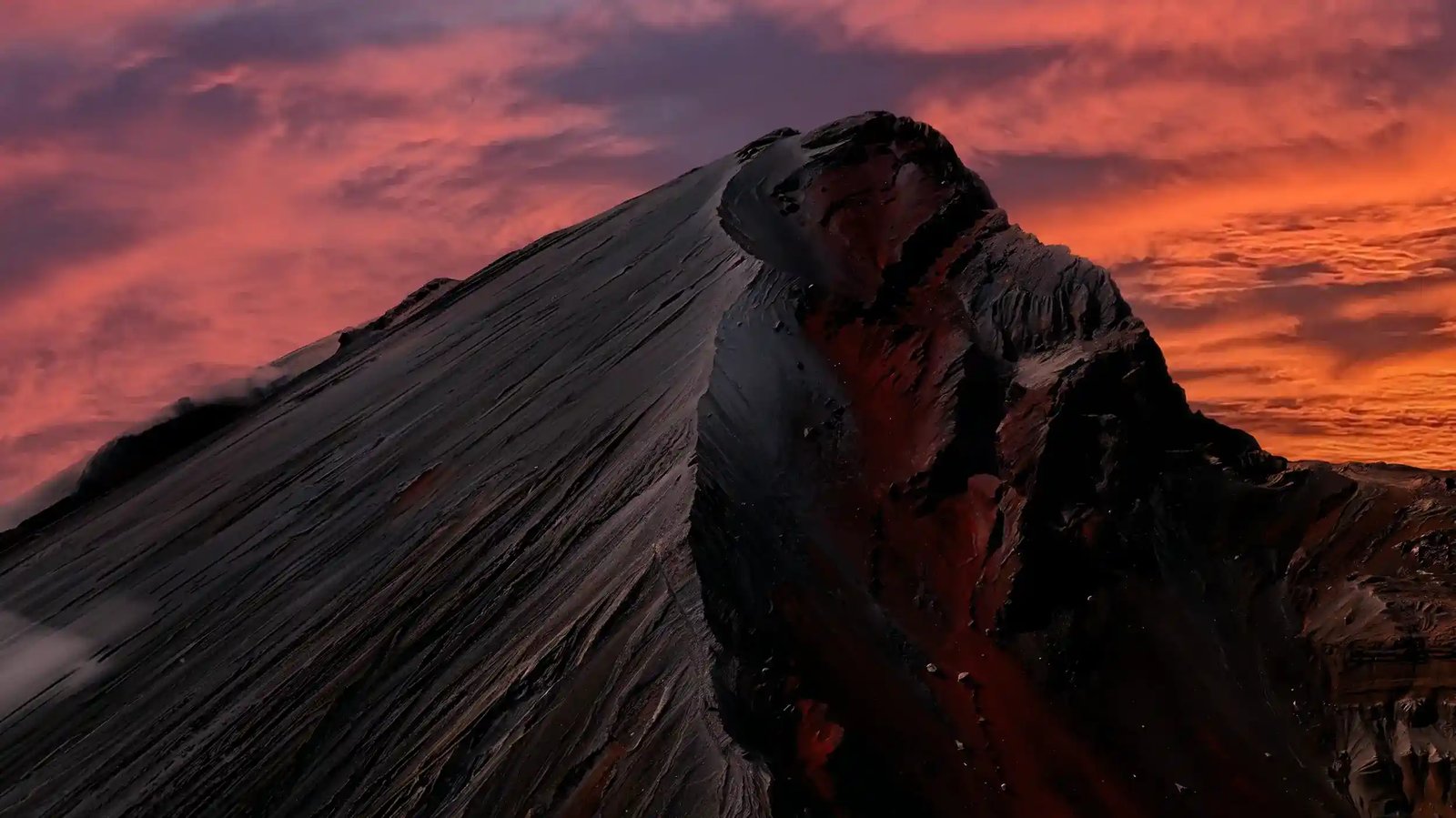
Wear a sweat-managing base layer top, a fleece mid-layer, a packable insulated jacket and a wind-blocking outer shell, with a warm hat and gloves as fixed items, not extras. That combination covers the estimated 0 to 4 degrees at the 02:00 start and the near-freezing wait at the 3,726 meter summit. It sounds like a lot of clothing for a volcano in the tropics, and every piece earns its place.
The layering logic is about sweat management as much as warmth. You will be walking uphill hard for hours in the dark, and if you start in all your layers you will soak them, and wet insulation stops insulating just when you stop moving. So begin the climb cool, ventilate on the way up, and add the insulated jacket and shell in the final approach or at the summit pause. Dressing for the climb is a different job from dressing for the wait.
Legs follow the same rule. Thin leggings are a base layer, not an outer layer on their own, so pair them with hiking trousers. The standard local packing list explicitly includes thermal top and bottom plus insulation and a shell, which tells you the mountain expects real coverage on both halves of the body. The rim camp at about 2,639 meters is already cold in the evening before the climb even begins, so the leg layers get used at dinner too.
Accessories decide the comfort of the summit pause more than people expect. A warm hat and gloves cost almost no pack volume and prevent the misery of steel-cold hands on volcanic rock while you wait for the light. A working headtorch with spare batteries matters more than any phone flashlight at 02:00. Keep the shell and insulated layer reachable in your own pack rather than with any communal load, and get everything laid out the night before, because the wake-up call in the cold and dark is not the moment to discover a missing glove. Our guides do a kit check at the evening briefing for exactly this reason.