 +62 859-2375-1379
 reservations@lombok-indonesia.org



 English
 العربية
 简体中文
 繁體中文
 Dansk
 Nederlands
 Français
 Deutsch
 हिन्दी
 Indonesia
 日本語
 한국어
 Melayu
 Polski
 Slovenščina
 Español
 ไทย
 Türkçe
 Українська
 Русский
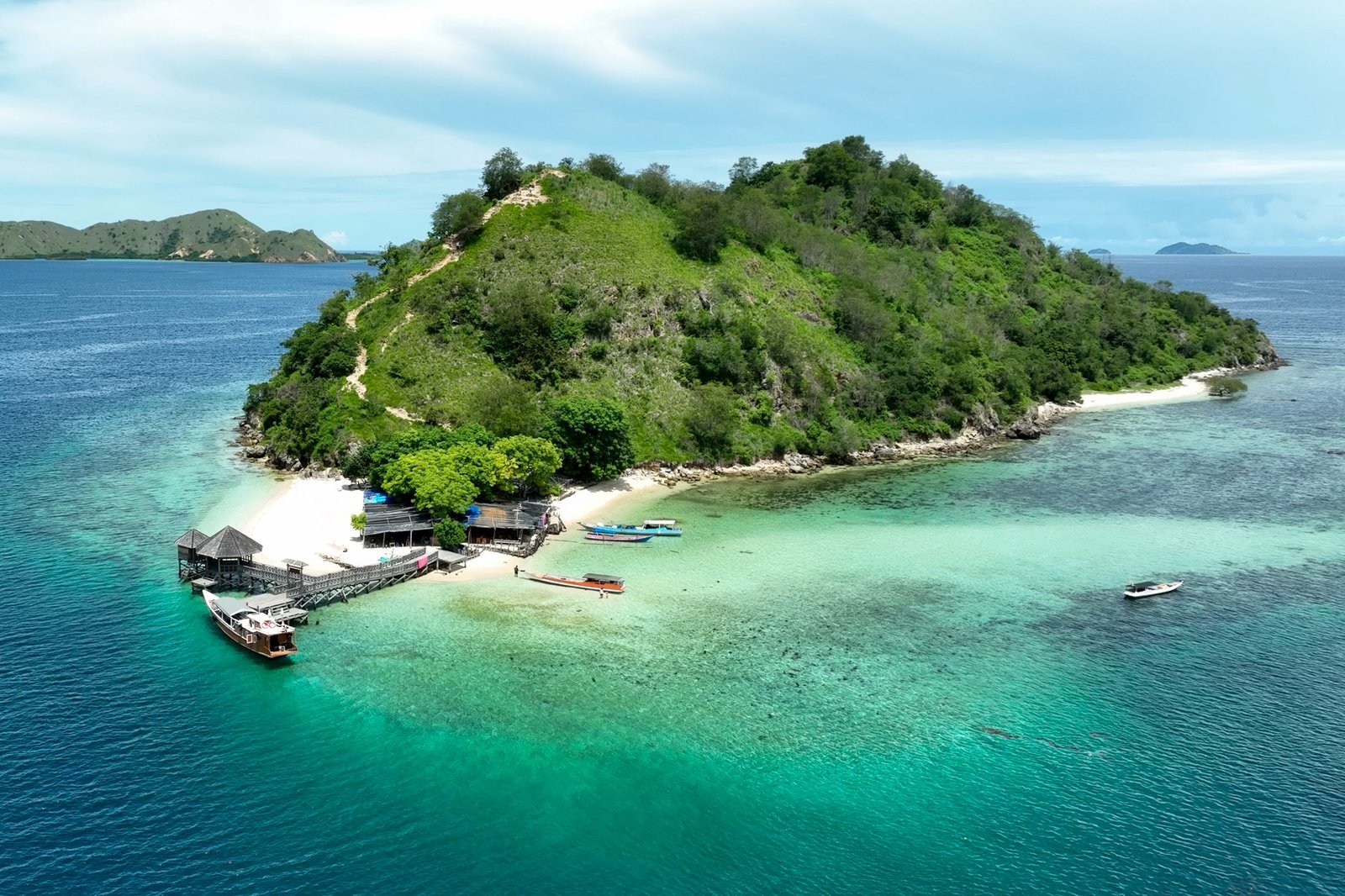
Komodo is safe for tourists who exercise common sense and book through reputable operators. The national park receives thousands of visitors annually across its 1,733 km² area, and serious incidents are uncommon. The primary safety framework involves park rangers who accompany all groups on Komodo and Rinca, enforce distancing rules around dragons, and manage wildlife encounters with training and simple tools like wooden sticks. Staying in your group, not wandering alone, and following ranger directions eliminate most of the wildlife risk.
Tourist safety also depends on understanding the environment. Komodo is one of Indonesia’s driest regions, with scorching sun, rugged volcanic hills, and patchy cell service throughout much of the park. Snorkeling sites vary from beginner-friendly Kanawa to current-heavy Manta Point. Boat safety standards vary by operator, so it pays to ask about life jackets, crew training, and communication equipment before you pay. There are no hospitals on the islands-Labuan Bajo offers basic care, and serious emergencies require evacuation to Denpasar, Bali. Travel insurance with evacuation coverage is not optional; it is essential. Families should note that very young children are generally not recommended for overnight cruises due to remote location, sun exposure, and limited medical access.