 +62 859-2375-1379
 reservations@lombok-indonesia.org



 English
 العربية
 简体中文
 繁體中文
 Dansk
 Nederlands
 Français
 Deutsch
 हिन्दी
 Indonesia
 日本語
 한국어
 Melayu
 Polski
 Slovenščina
 Español
 ไทย
 Türkçe
 Українська
 Русский
Komodo National Park is safe for visitors who follow standard precautions and respect the environment. As a UNESCO World Heritage Site established in 1980, the park operates under Indonesia’s Ministry of Environment and Forestry with established ranger protocols, marked trails, and regulated tourism practices. The most significant safety consideration is the Komodo dragon itself-the world’s largest lizard, with males reaching up to 3 meters and 150 kg. Rangers accompany all tourists on Komodo and Rinca islands, carry wooden forked sticks for crowd control, and enforce strict rules about distance and behavior. Visitors are instructed to stay with their group, avoid approaching or feeding dragons, and keep children closely supervised.
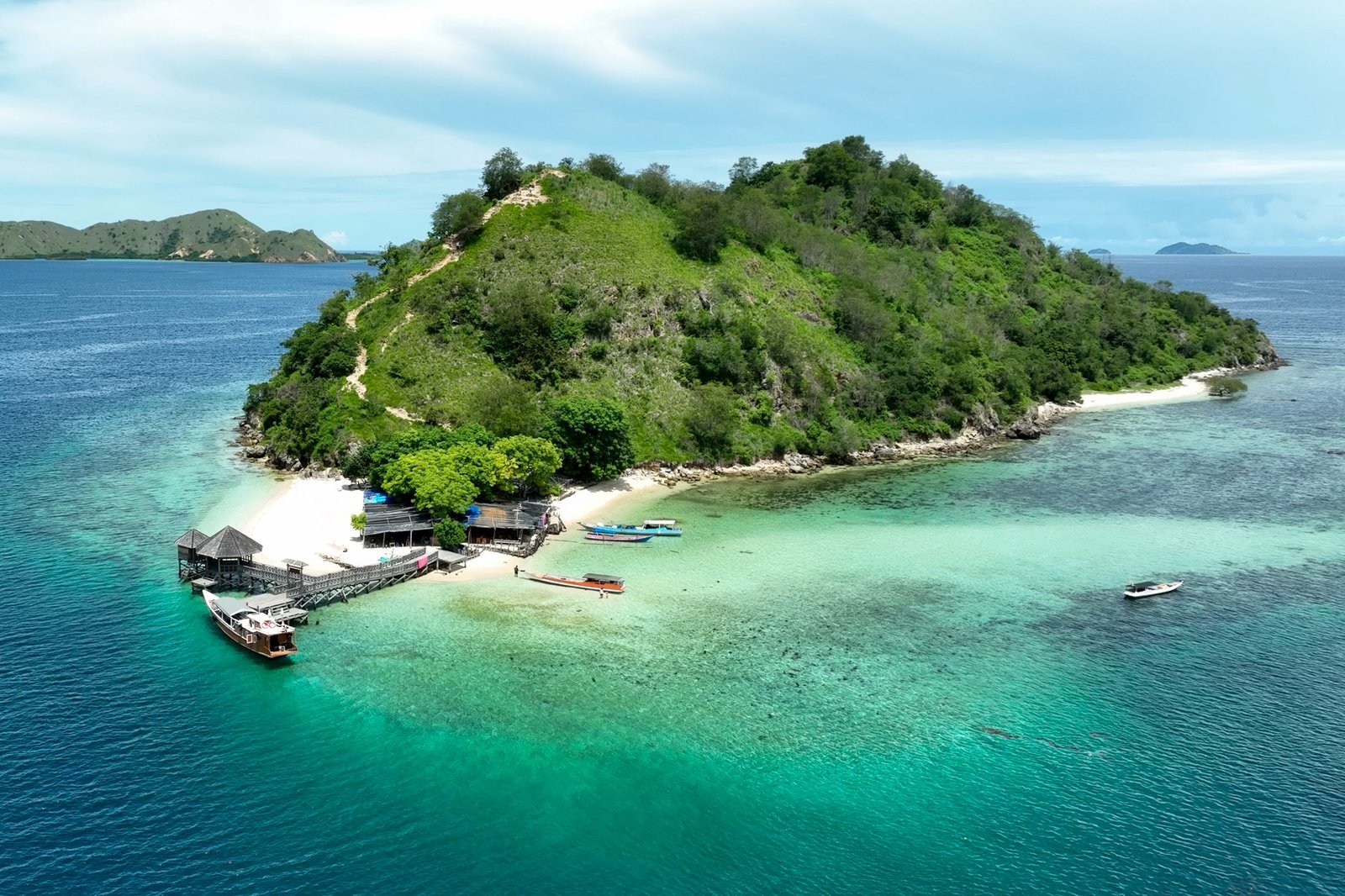
Beyond wildlife, the park’s marine environment demands awareness too. Some snorkeling sites like Manta Point experience strong currents and surge, while others such as Kanawa Island are calmer and better suited for beginners. Guides typically monitor swimmers from the boat or enter the water themselves. Life jackets are strongly recommended, especially for less confident snorkelers. There are no hospitals on the islands themselves-Labuan Bajo offers basic medical facilities, and serious emergencies may require evacuation to Bali. Travel insurance covering medical evacuation is strongly advised. The terrain is rugged and dry, with temperatures reaching around 40°C during the dry season (May–October), so sun protection, hydration, and proper footwear for hikes like Padar Island’s viewpoints are essential.