 +62 859-2375-1379
 reservations@lombok-indonesia.org



 English
 العربية
 简体中文
 繁體中文
 Dansk
 Nederlands
 Français
 Deutsch
 हिन्दी
 Indonesia
 日本語
 한국어
 Melayu
 Polski
 Slovenščina
 Español
 ไทย
 Türkçe
 Українська
 Русский
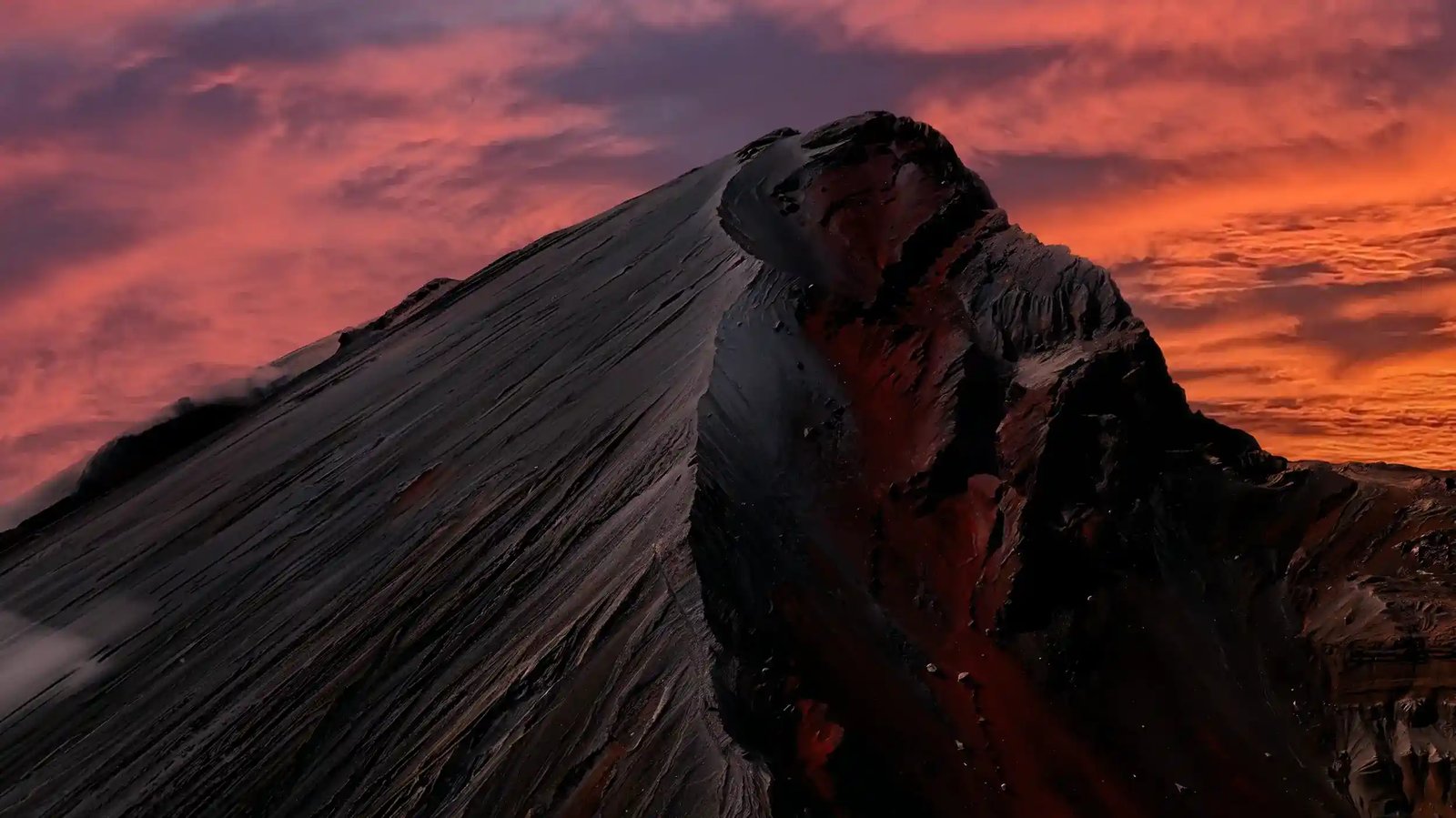
Mount Rinjani is frequently cited as one of the most challenging popular treks in Indonesia, and that reputation is well-earned. At 3,726 meters, it’s the second highest volcano in the country. The combination of significant elevation gain, loose volcanic scree, freezing nighttime temperatures, multi-day commitment, and rapidly changing weather creates a trek that tests both physical fitness and mental resilience. It’s not technically difficult in a climbing sense.
You don’t need ropes or special mountaineering skills. But it’s physically and logistically demanding in ways that many other Indonesian treks aren’t. What separates Rinjani from other hard Indonesian treks is the summit scree section. There’s nothing quite like the experience of climbing for two to three hours in darkness, in freezing temperatures, on a surface that gives way with every step.
It’s not just tiring. It’s demoralizing if you’re not mentally prepared for it. The multi-day camping component also adds difficulty. You’re sleeping in tents on the mountain, dealing with cold nights, basic toilet facilities, and no chance to recharge devices or take a hot shower.
The physical challenge compounds over days rather than being over in a single push. That said, Rinjani is achievable for a wide range of trekkers if they’re prepared and guided properly. At Lombok-Indonesia.org, we’ve taken beginners, older trekkers, and people with average fitness to the summit successfully. The key is honest preparation, choosing the right package, and respecting the mountain.
Is it one of the hardest? For casual hikers, absolutely. For experienced mountaineers, it’s challenging but not extreme. It sits in that sweet spot where it’s hard enough to feel like a real achievement but accessible enough that determined trekkers can do it.