 +62 859-2375-1379
 reservations@lombok-indonesia.org



 English
 العربية
 简体中文
 繁體中文
 Dansk
 Nederlands
 Français
 Deutsch
 हिन्दी
 Indonesia
 日本語
 한국어
 Melayu
 Polski
 Slovenščina
 Español
 ไทย
 Türkçe
 Українська
 Русский
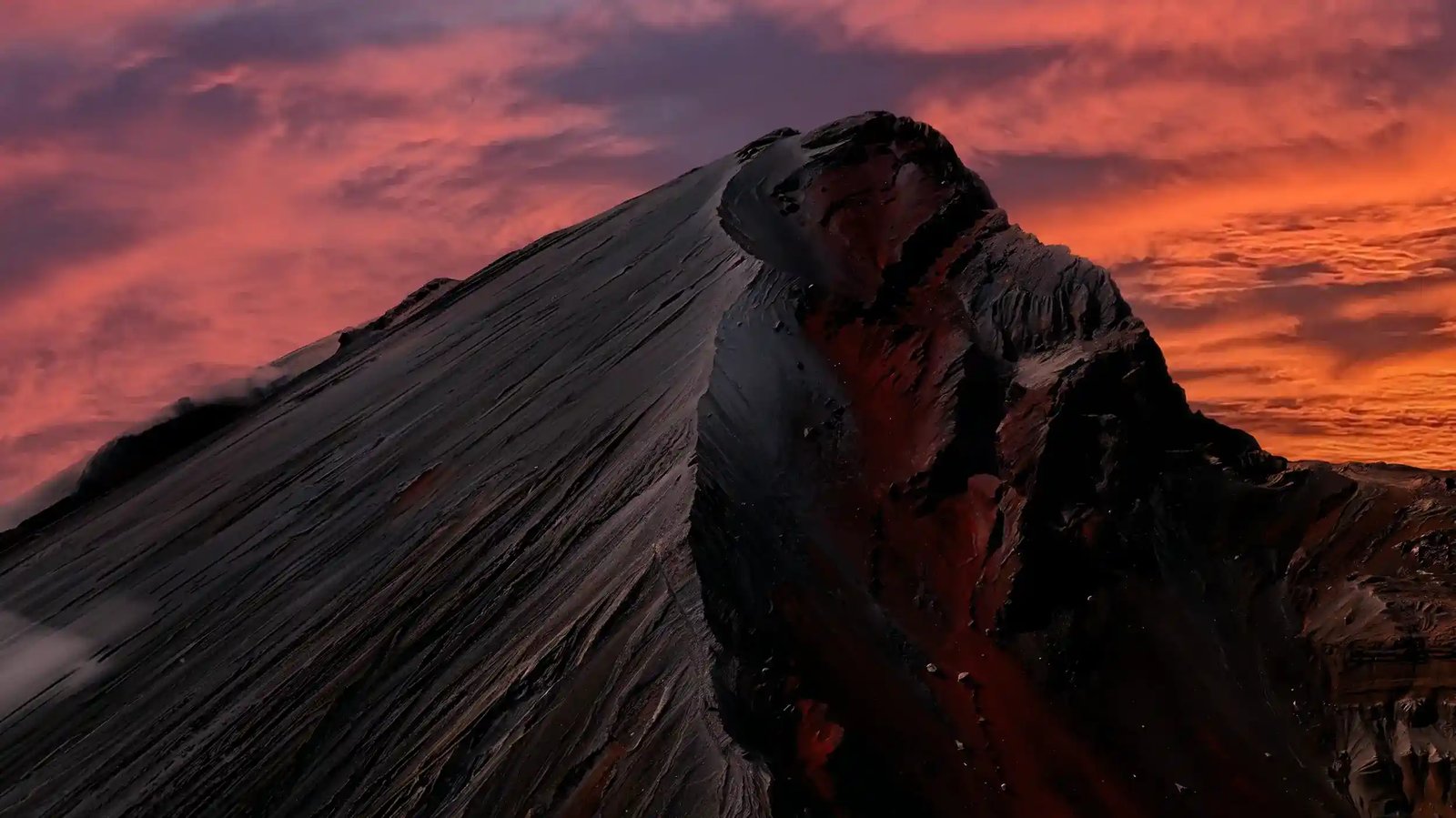
Malaria isn’t a meaningful risk on Mt. Rinjani itself because the mosquitoes that carry the parasite can’t survive at the cold altitudes where you’ll be camping. Even on the lower slopes of Lombok, malaria incidence is very low compared to regions like Papua, parts of Sumatra, or some areas of Sulawesi.
The Indonesian government has made solid progress in malaria control on Lombok over the past couple decades. The island isn’t classified as high-risk by most major travel health organizations. That said, if you’re arriving from another part of Indonesia with higher malaria prevalence, or spending extended time in rural coastal areas before or after the trek, talking to your travel doctor about prophylaxis is worthwhile for peace of mind.
Our team at Lombok-Indonesia.org doesn’t encounter malaria among trekkers and doesn’t treat it as a mountain-specific concern. Standard mosquito precautions, repellent, long sleeves at dawn and dusk, and sleeping under mosquito nets at the homestay, are more than sufficient.
If you’re anxious about malaria, redirect that energy toward altitude preparation, fitness training, and gear selection instead. Those are the factors that actually determine your experience and safety on Rinjani.