 +62 859-2375-1379
 reservations@lombok-indonesia.org



 English
 العربية
 简体中文
 繁體中文
 Dansk
 Nederlands
 Français
 Deutsch
 हिन्दी
 Indonesia
 日本語
 한국어
 Melayu
 Polski
 Slovenščina
 Español
 ไทย
 Türkçe
 Українська
 Русский
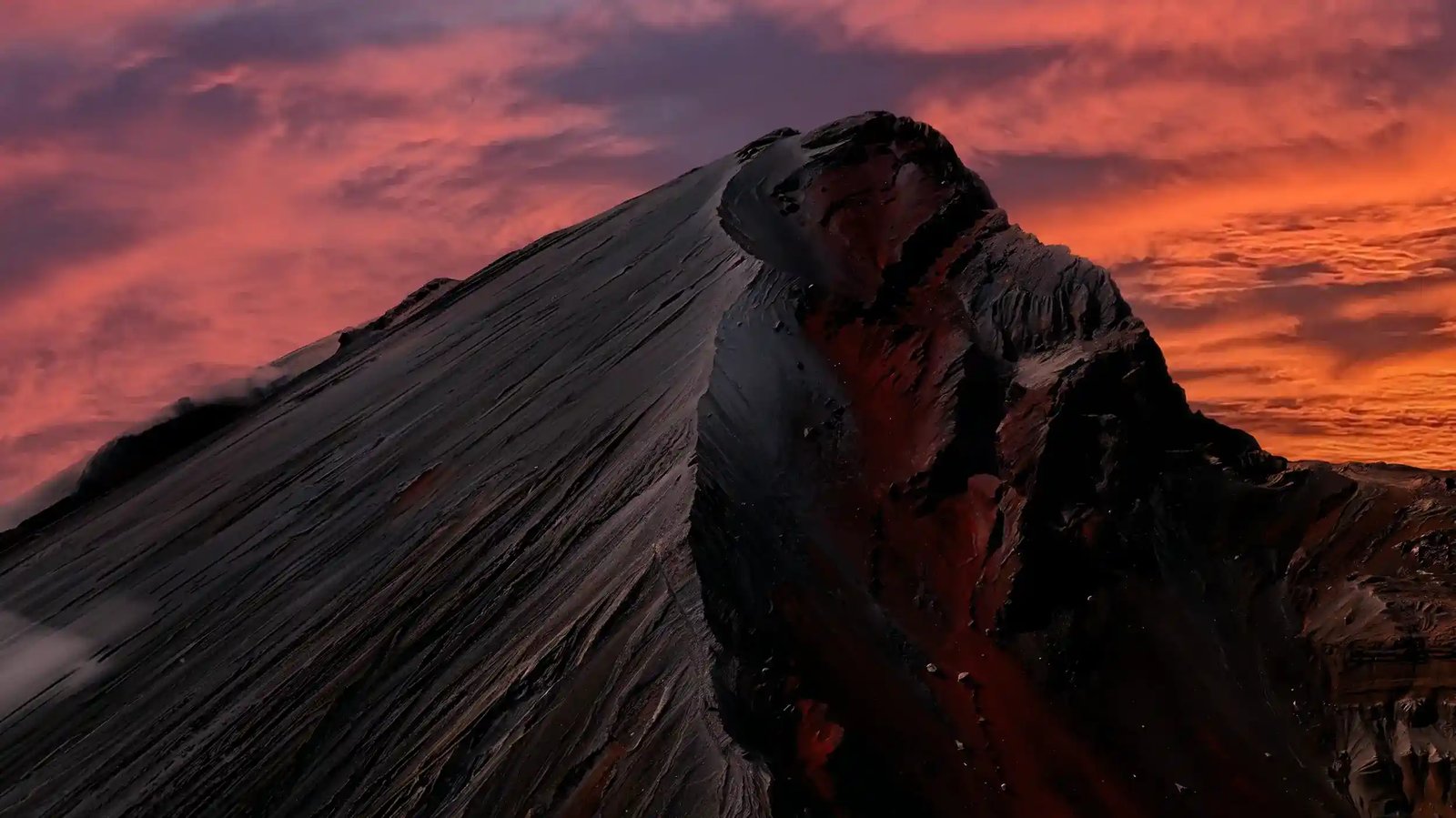
Real talk, yes. There’s plenty of oxygen at the summit for healthy people. At 3,726 meters, you’ll breathe harder and your heart will race, but it’s not dangerous altitude. You’re well below the elevation where oxygen scarcity becomes a genuine physiological danger.
Most people who feel short of breath up there are just exhausted from climbing steep volcanic scree in freezing cold air. It’s not oxygen deprivation. You won’t need supplemental tanks, and our guides at Lombok-Indonesia.org don’t carry them because they’re unnecessary at this elevation.
If you’ve got asthma or a respiratory condition, bring your inhaler and chat with your doctor beforehand. But for everyone else, the real challenge is the cold and the physical effort, not the oxygen. The air is thinner than at sea level, so your lungs work harder and your heart rate climbs. But you’ll be fine.
Our team has guided thousands to the top without a single oxygen-related incident. They’ll remind you to breathe steadily, take regular rest breaks, and pace yourself during the final push. Focusing on controlled, rhythmic breathing rather than gasping for air transforms the summit experience from a struggle into a manageable climb.
The real challenge at the summit is the combination of cold temperatures, loose volcanic scree underfoot, and climbing in darkness before sunrise. All of that can make breathing feel labored even when oxygen is abundant. Keep your breathing controlled and trust your body.