 +62 859-2375-1379
 reservations@lombok-indonesia.org



 English
 العربية
 简体中文
 繁體中文
 Dansk
 Nederlands
 Français
 Deutsch
 हिन्दी
 Indonesia
 日本語
 한국어
 Melayu
 Polski
 Slovenščina
 Español
 ไทย
 Türkçe
 Українська
 Русский
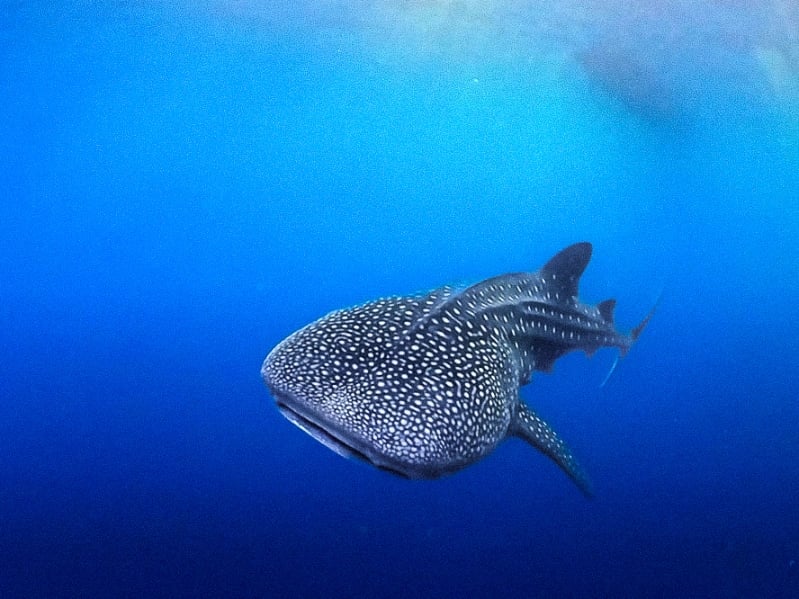
Yes, whale shark tours can be safe during the rainy season, but they require more flexibility and tolerance for variable conditions. The rainy season in this region runs roughly from November through March, and while it brings more frequent showers and occasional storms, it does not make the tour inherently dangerous. The team operates year-round and has extensive experience managing trips during wetter months.
The main differences during the rainy season are rougher ferry crossings, more unpredictable rain, and occasionally choppier water in Saleh Bay. However, the core whale shark activity still takes place at sunrise, when conditions are often calmer than later in the day. The team monitors the weather daily and will not take the boat out if heavy rain, strong winds, or unsafe sea states are present. Light rain does not typically stop the tour, but safety always comes first.
Guests traveling in the rainy season should bring a light rain jacket, pack appropriate footwear, and be prepared for the possibility of itinerary adjustments. The hotels are comfortable shelters if rain arrives during land portions of the trip, and the team keeps communication open so you always know what to expect. If you are particularly sensitive to motion or uncomfortable with uncertainty, the dry season from April to October offers a more predictable experience. But with the right mindset, the rainy season can still deliver an incredible and safe whale shark encounter.