 +62 859-2375-1379
 reservations@lombok-indonesia.org



 English
 العربية
 简体中文
 繁體中文
 Dansk
 Nederlands
 Français
 Deutsch
 हिन्दी
 Indonesia
 日本語
 한국어
 Melayu
 Polski
 Slovenščina
 Español
 ไทย
 Türkçe
 Українська
 Русский
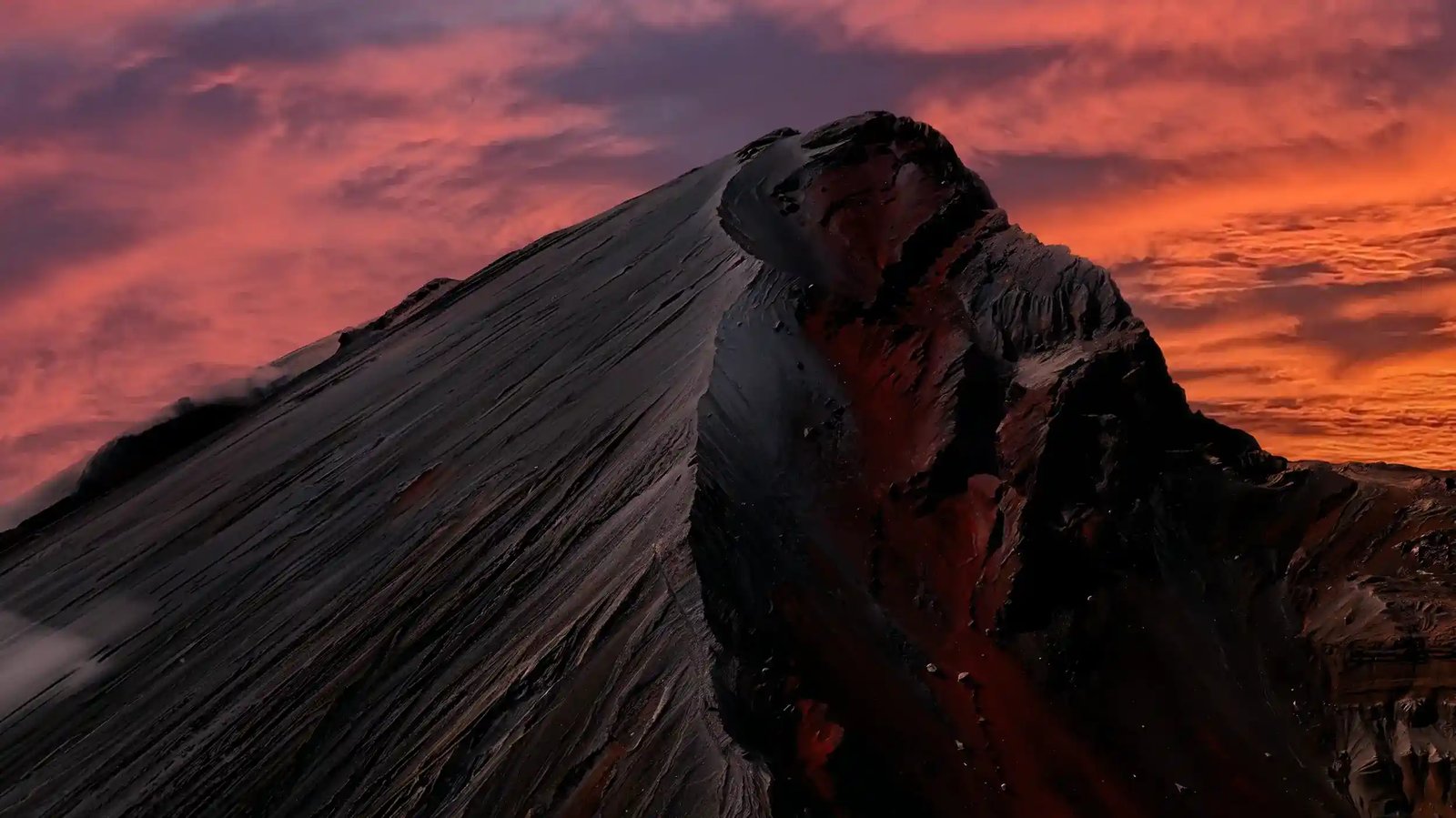
Tent collapse is extremely rare on Rinjani, but it’s not impossible if the weather turns nasty. Sudden wind gusts hit hard along the exposed crater rim where most campsites sit, and strong winds can stress tent poles and guylines. The mountain creates its own weather, and it can change fast. One minute it’s calm, the next you’re getting blasted by gusts that make the tent walls flap like crazy.
The trekking teams at Lombok-Indonesia.org use reliable, well-maintained tents designed for mountain conditions. The porters have camped here hundreds of times and know exactly which spots are most vulnerable to wind and which offer natural protection. They secure tents with proper stakes and tension lines every single time. It’s muscle memory for them at this point.
In the unlikely event a tent fails or a pole breaks, the team carries spare equipment and can re-erect or replace it quickly. They’re prepared for this. The bigger issue for most people isn’t the tent itself but the psychological discomfort of hearing wind batter the fabric all night. If you’re a light sleeper, it can feel dramatic even when the tent is perfectly secure.
If you’re concerned, ask your guide about tent placement when you arrive at camp. They’ll explain why they chose that spot. Trusting the ground team’s expertise goes a long way toward sleeping soundly, knowing your shelter has been tested against Rinjani’s weather countless times before.