 +62 859-2375-1379
 reservations@lombok-indonesia.org



 English
 العربية
 简体中文
 繁體中文
 Dansk
 Nederlands
 Français
 Deutsch
 हिन्दी
 Indonesia
 日本語
 한국어
 Melayu
 Polski
 Slovenščina
 Español
 ไทย
 Türkçe
 Українська
 Русский
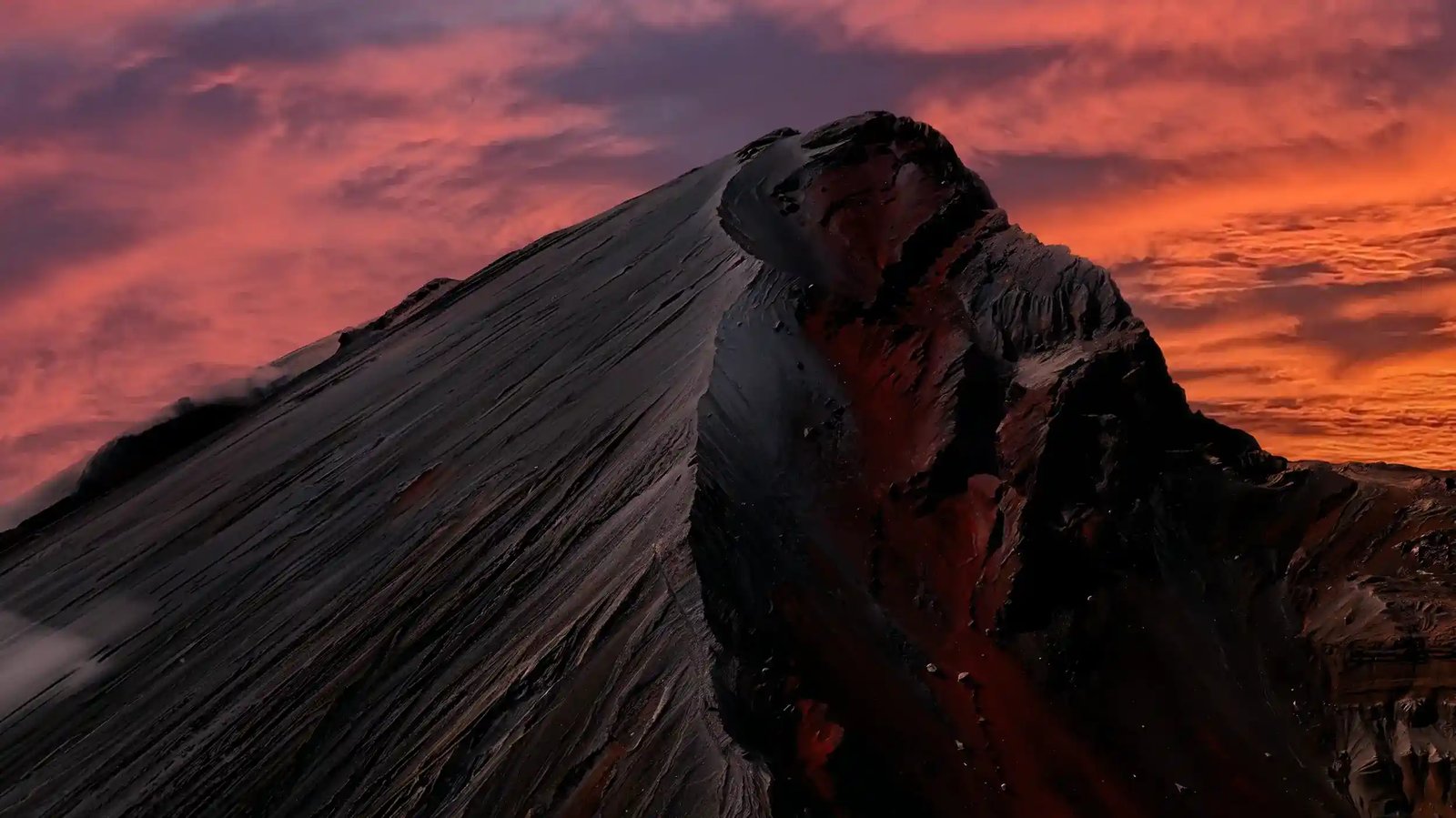
For Mount Rinjani, you should carry two to three liters of personal drinking water per day in your day pack, in addition to the water that Lombok-Indonesia.org’s porters provide for cooking and general group needs. This recommendation reflects the combined demands of sustained physical exertion, altitude-related increased respiration, and exposure to hot tropical sun during the exposed daytime hiking sections.
Individual needs vary fairly significantly based on your body size, baseline fitness level, and personal sweat rate, but two liters represents a safe minimum that most people should aim for. Three liters is better if you’re a larger person, if the weather is particularly hot, or if you know from experience that you tend to sweat heavily during physical activity.
Don’t wait until you feel thirsty to start drinking. By the time thirst kicks in, you’re already partially dehydrated. Sip small amounts regularly throughout the entire hiking day. Dehydration at altitude hits harder than at sea level, and the symptoms can masquerade as altitude sickness, which complicates self-diagnosis. If you’re genuinely unsure whether you’re drinking enough water during the trek, you’re probably not drinking enough. A simple visual check is your urine color. It should be light yellow. If it’s dark yellow or amber, you need to increase your fluid intake immediately. Simple as that.