 +62 859-2375-1379
 reservations@lombok-indonesia.org



 English
 العربية
 简体中文
 繁體中文
 Dansk
 Nederlands
 Français
 Deutsch
 हिन्दी
 Indonesia
 日本語
 한국어
 Melayu
 Polski
 Slovenščina
 Español
 ไทย
 Türkçe
 Українська
 Русский
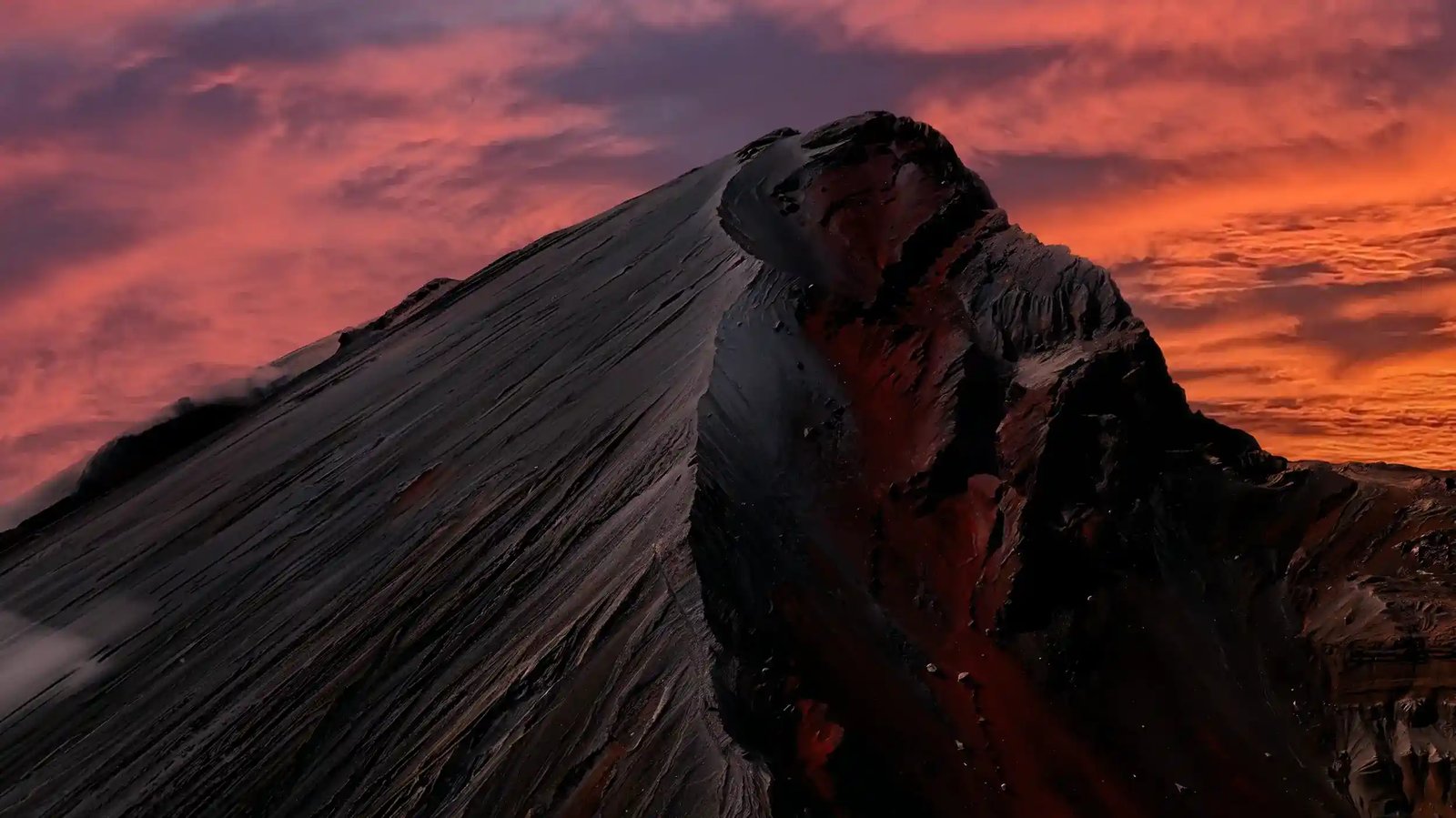
Nobody has a verified number for how often clouds block the crater lake, and anyone who quotes you a percentage is guessing. No dataset we reviewed counts the mornings or afternoons when Segara Anak is fully obscured from either rim, and the park publishes no lake-visibility forecast. What can be said honestly is that the dry-season morning is your most reliable window, and afternoon cloud buildup is the biggest thief of lake views on this mountain.
The geography explains why. Segara Anak sits at about 2,010 meters inside the caldera, far below the two rim camps: Plawangan Sembalun at about 2,639 meters and Plawangan Senaru at about 2,641 meters. You look down into a bowl, so cloud can sit inside the caldera even when the sky above your tent is clear, and mist can fill the bowl overnight before burning off with the morning sun. A clear night sky over the rim is therefore not a promise of a clear dawn over the lake.
Season and time of day tilt the odds. September is measurably drier than October in village-area data, with clearer sky conditions around 42 percent of the time against 32 percent, and operators observe that clouds move in earlier in October afternoons. The practical rule our guides work by is simple: be awake and in position for first light, because the classic shot of the lake is a morning photograph, and the same view two hours later is often a white wall.
Wind is the second factor, and it compounds cloud frustration. Exposed rims can hold hard crosswinds in the afternoon and evening, which is why our crews pitch tents with extra guylines in sheltered spots and reassess plans rather than pushing a photo stop into a gusty evening. If the lake is your priority, plan a longer itinerary so you pass more than one dawn near the caldera, keep your camera accessible at camp, and let the guide tell you honestly at first light whether a descent to the lake shore will pay off.