 +62 859-2375-1379
 reservations@lombok-indonesia.org



 English
 العربية
 简体中文
 繁體中文
 Dansk
 Nederlands
 Français
 Deutsch
 हिन्दी
 Indonesia
 日本語
 한국어
 Melayu
 Polski
 Slovenščina
 Español
 ไทย
 Türkçe
 Українська
 Русский
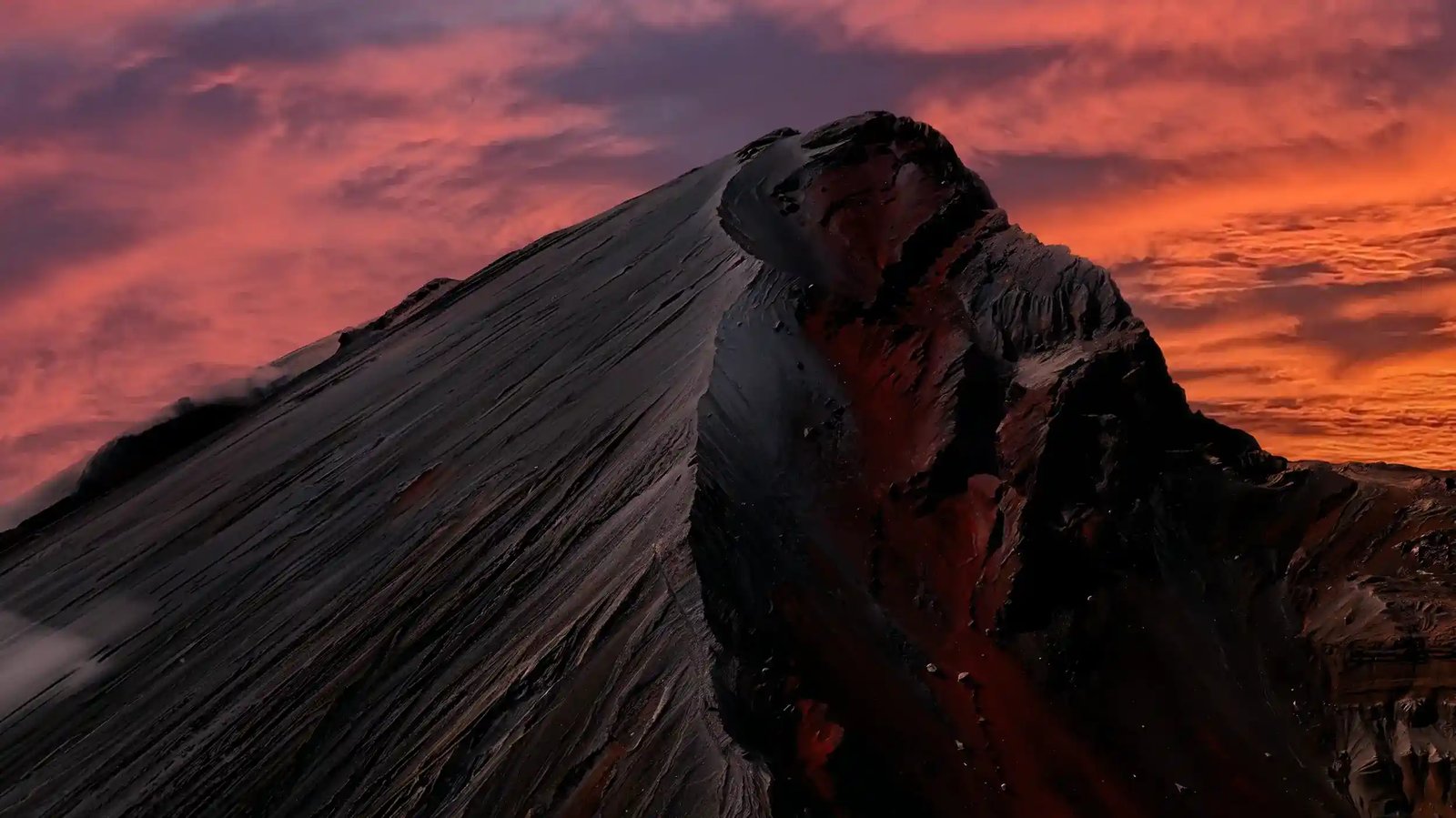
Whether you should cancel your Rinjani trek due to rain depends entirely on the timing, intensity, and seasonal context. During the official trekking season from April through December, brief rain showers are common, particularly in the afternoons, and the Lombok-Indonesia.org guides are fully accustomed to trekking in light rain without major issues. A little rain won’t stop the show.
They carry rain covers for packs, know which trail sections become slippery fastest, and adjust pacing for reduced visibility and wet footing. They’ve done this in all kinds of weather. However, if you’re experiencing sustained heavy rain, especially during the January through March rainy season when the national park is officially closed, then cancellation or postponement is the right decision.
Torrential rain on Rinjani creates genuine hazards, including flash flooding in stream crossings, landslides on steep sections, and dangerously slick volcanic rock that turns manageable paths into serious fall risks. The guides monitor weather patterns closely, and if a storm system looks threatening, the operations team in Senaru will often reach out proactively to discuss rescheduling options.
Rather than making a unilateral cancellation based on a single forecast, the best approach is to communicate directly with your contact at Lombok-Indonesia.org via WhatsApp. Describe the forecast you’re seeing and ask for their expert assessment. They live on the mountain’s doorstep and have a far better sense of which weather systems are passing inconveniences and which ones are genuine threats to safety. Their local knowledge is invaluable.