 +62 859-2375-1379
 reservations@lombok-indonesia.org



 English
 العربية
 简体中文
 繁體中文
 Dansk
 Nederlands
 Français
 Deutsch
 हिन्दी
 Indonesia
 日本語
 한국어
 Melayu
 Polski
 Slovenščina
 Español
 ไทย
 Türkçe
 Українська
 Русский
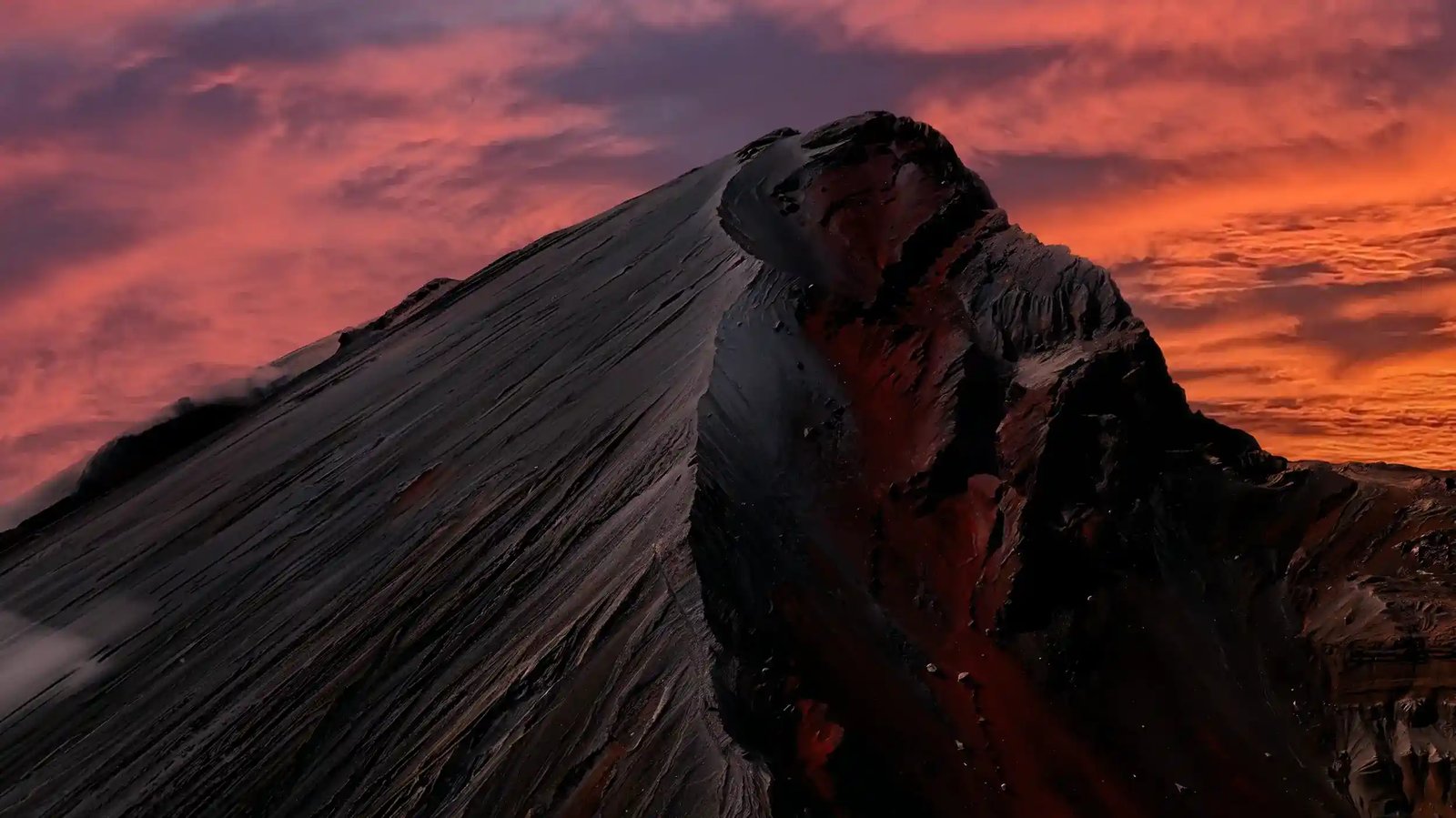
When fire hits Rinjani in September and October, tours do not simply disappear: routes close individually, itineraries get rerouted, and ticket holders are offered alternatives. The clearest precedent is the October 2019 fire, which began on October 19 and prompted the park to close all trekking routes from October 20 until further notice. Existing eRinjani bookings from that period could be rescheduled according to available route quotas, in the app or through gate staff, so the money was not lost even though every route was shut.
A later September fire proves the point that closures are surgical, not blanket. It was first reported in the evening outside the trekking trail, yet the park closed the Torean route the next day as a precaution, and closed Senaru a few days after that as flames approached Plawangan Senaru, the Senaru rim camp. Crucially, Sembalun stayed open and became the official alternative: affected Senaru ticket holders could reschedule or switch their entrance and exit to Sembalun, and hikers already descending through the closed routes were directed toward a Sembalun exit.
The lesson for trekkers is to match each incident to its affected entrances rather than treating the mountain as one block. In 2019 the all-route order necessarily ended any ordinary Sembalun summit trek; in the later September case the summit trail from Sembalun was not the closed section, and a report of smoke was never proof that the summit path itself was shut. The two events, same hazard, opposite route outcomes, are the best argument for checking the actual route-specific notice instead of reacting to a headline.
What happens to your money follows the same logic. The park’s practice in documented incidents has been rescheduling and alternative entry or exit routes, not automatic refunds, and a dated news story never establishes today’s status. September and October sit at the end of the long dry stretch, which is exactly when land fires on Lombok are most likely, so a booking in that window should carry flexible dates and a clear understanding of your operator’s rerouting terms.
We brief every guest on this before departure: we watch the official notices daily during fire season, we record the incident date and each route order on live bookings, and we do not promise a summit, a detour or a reopening unless the park actually announces it.