 +62 859-2375-1379
 reservations@lombok-indonesia.org



 English
 العربية
 简体中文
 繁體中文
 Dansk
 Nederlands
 Français
 Deutsch
 हिन्दी
 Indonesia
 日本語
 한국어
 Melayu
 Polski
 Slovenščina
 Español
 ไทย
 Türkçe
 Українська
 Русский
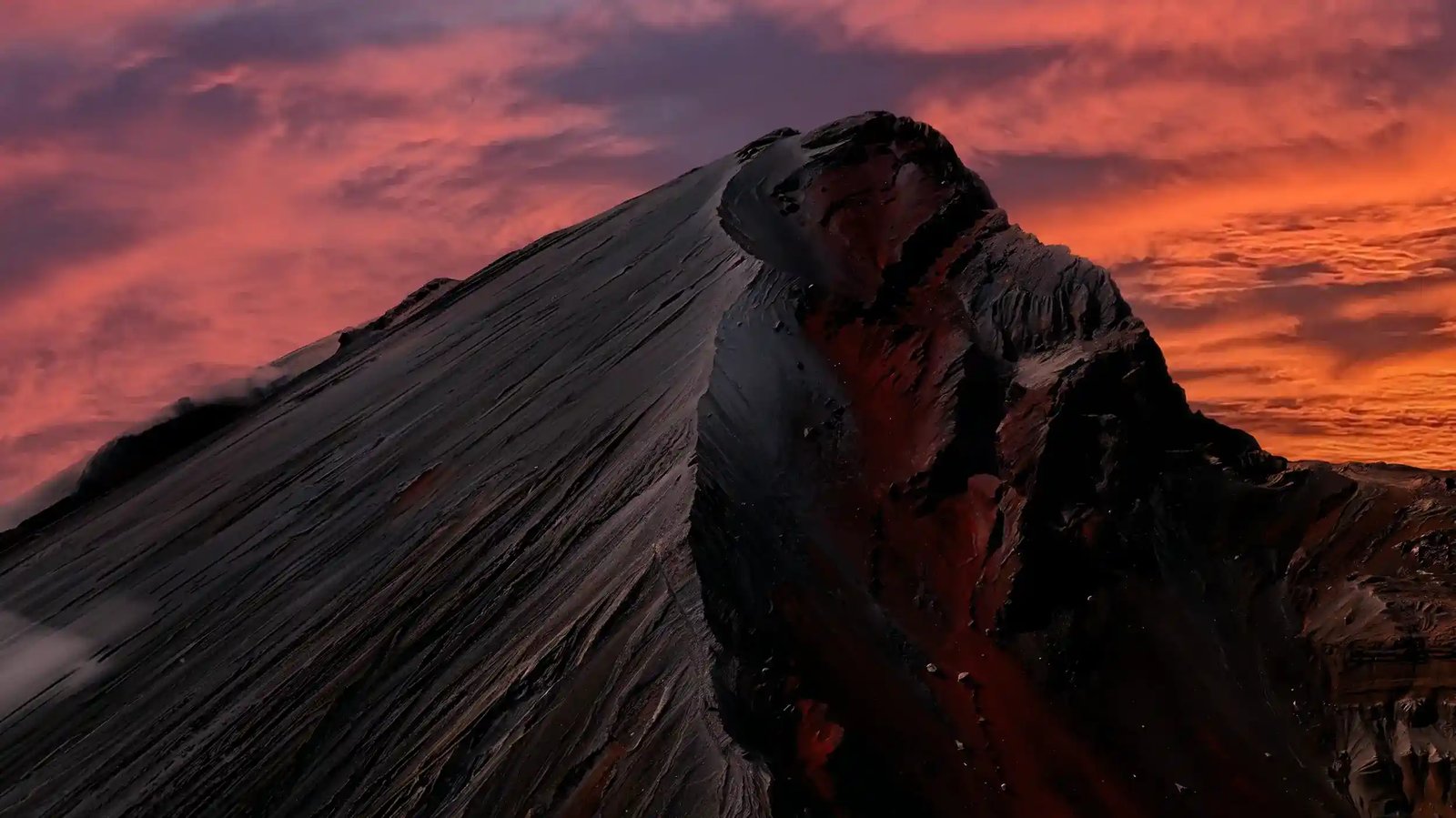
You shouldn’t automatically cancel your Rinjani trek just because the forecast calls for wind, but you should be prepared for the guides to modify the itinerary if conditions become genuinely dangerous. Wind is normal on the mountain, particularly along the exposed crater rim where campsites sit, and moderate gusts are more of an inconvenience than a safety threat. The mountain is naturally windy.
However, very strong winds can make the summit push unsafe, especially on narrow ridges where balance is already challenged by loose scree and fatigue. At Lombok-Indonesia.org, guides make real-time decisions based on what they feel and see on the mountain, not just what a weather app predicted the day before. They know the difference between normal wind and dangerous wind.
If winds are too strong for a safe summit attempt, the typical response is to delay the push, alter the route slightly, or in rare cases skip the summit and focus on the crater rim and lake instead. The guides’ priority is always group safety over summit completion, and they have the authority to make those calls without consulting the office. They make the call in the moment.
Canceling your entire trek in advance because of a general wind forecast is usually unnecessary, because conditions change hourly on Rinjani and the guides are equipped to handle them. If a major storm system is approaching with sustained high winds and heavy rain, the operations team may proactively suggest postponement before you even leave the homestay. Trust their judgment.