 +62 859-2375-1379
 reservations@lombok-indonesia.org



 English
 العربية
 简体中文
 繁體中文
 Dansk
 Nederlands
 Français
 Deutsch
 हिन्दी
 Indonesia
 日本語
 한국어
 Melayu
 Polski
 Slovenščina
 Español
 ไทย
 Türkçe
 Українська
 Русский
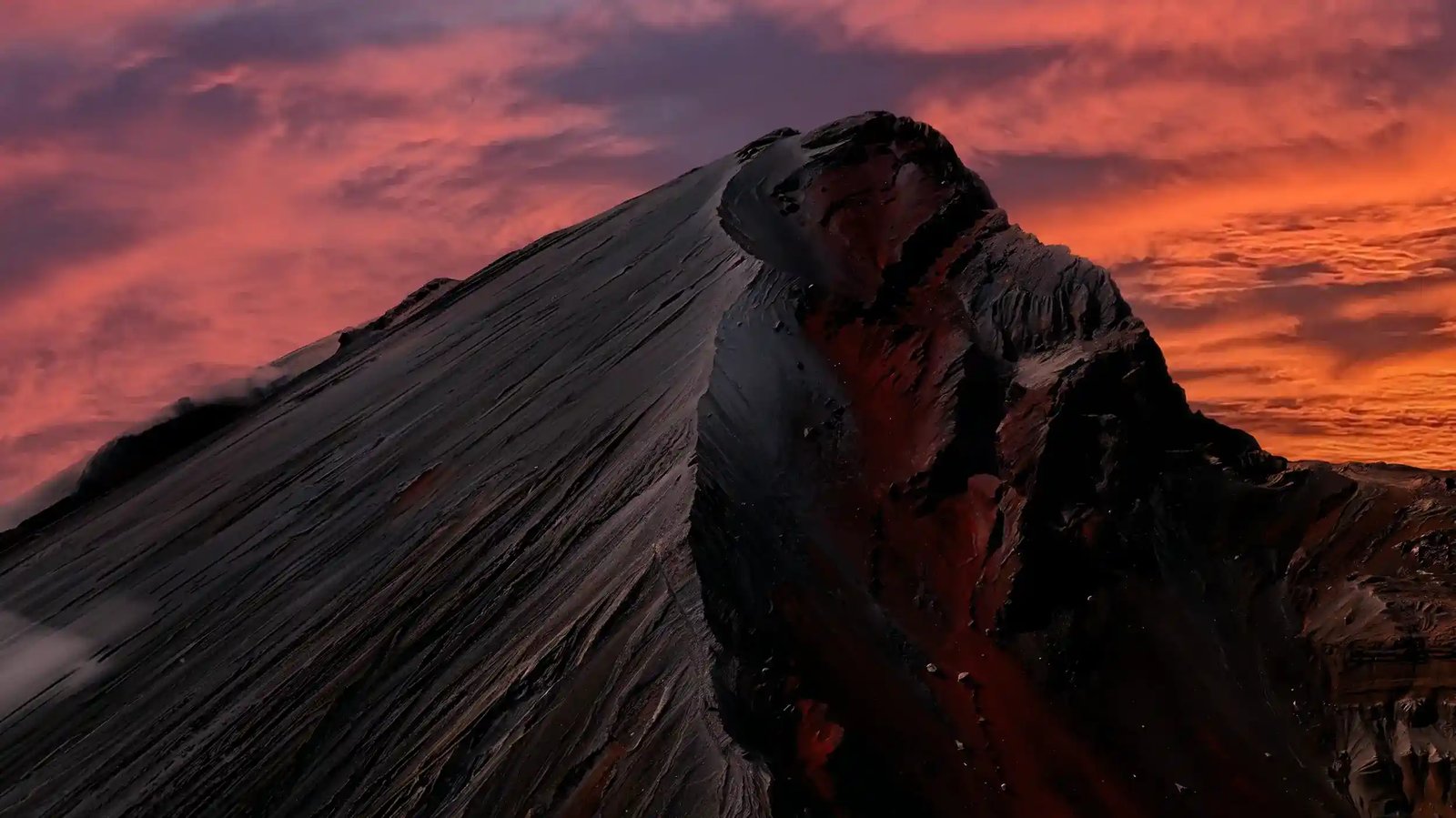
During strong winds, our guides at Lombok-Indonesia.org assess whether it’s safe to continue trekking, adjust the itinerary if needed, and take practical steps to protect the group. That might mean delaying the summit push, reinforcing tents with extra guylines, or moving camp to a more sheltered spot if a better option exists nearby.
Wind is most common in the afternoon and evening at the crater rim, where the exposed ridge catches crosswinds that can gust hard enough to make walking difficult and knock over unsecured items. The summit push in early morning hours is usually calmer because temperature differences are less extreme before sunrise.
But if wind is predicted to be dangerous based on conditions at camp, our guide may cancel the summit attempt entirely rather than risk someone being blown off balance on the narrow ridge. Inside camp during strong wind, secure loose items inside your tent, use interior pockets for small stuff, and accept that sleep might get interrupted by fabric flapping and poles flexing.
Our guides have experienced every variation of Rinjani weather over years of guiding. They don’t take unnecessary risks. Their priority is keeping the group safe and warm, not adhering to an ambitious schedule. Trust their judgment and stay flexible, because the mountain makes the rules and the best guides know exactly when to listen to what the conditions are telling them.