 +62 859-2375-1379
 reservations@lombok-indonesia.org



 English
 العربية
 简体中文
 繁體中文
 Dansk
 Nederlands
 Français
 Deutsch
 हिन्दी
 Indonesia
 日本語
 한국어
 Melayu
 Polski
 Slovenščina
 Español
 ไทย
 Türkçe
 Українська
 Русский
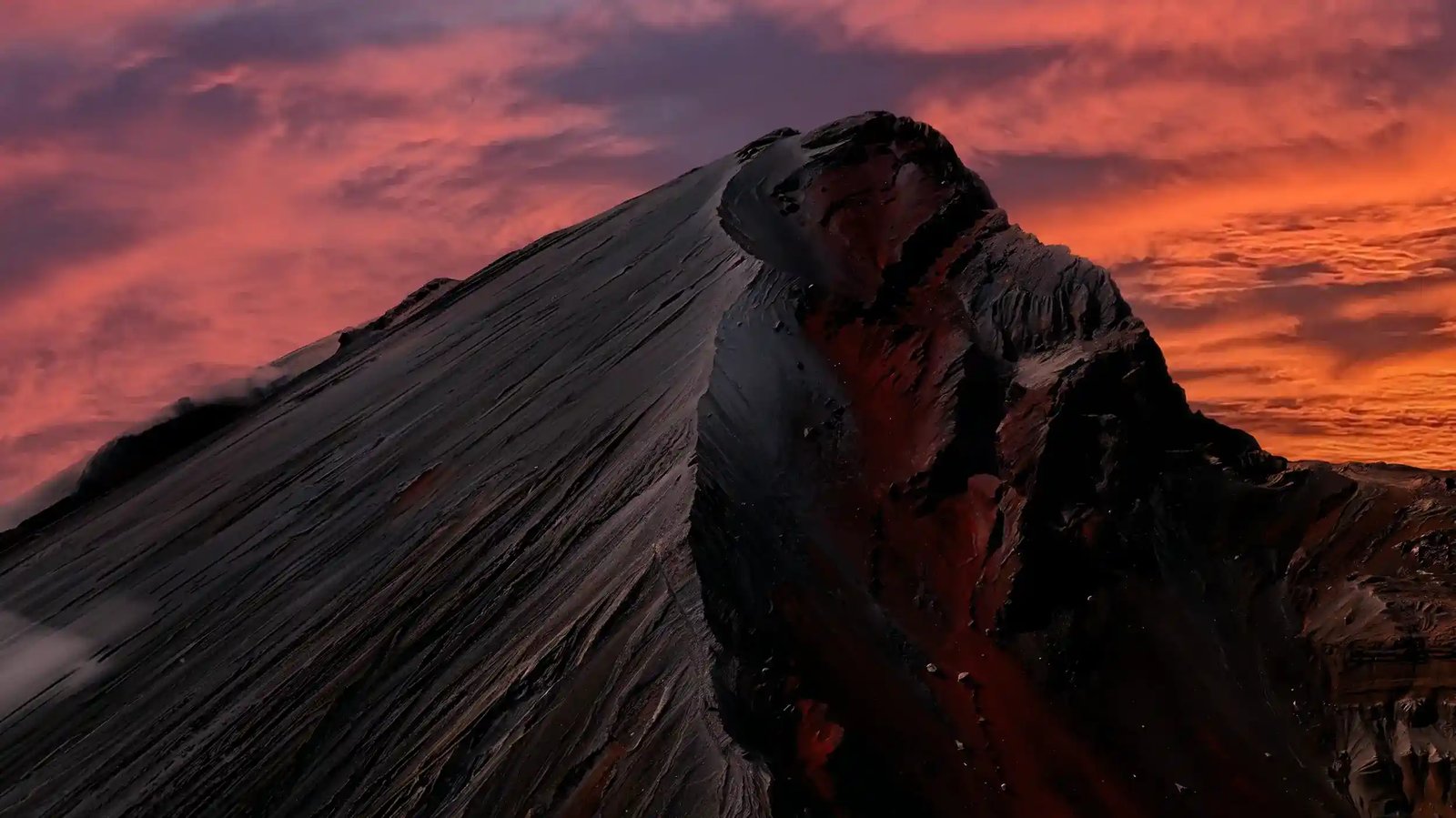
Mount Rinjani gets seriously cold, especially at night and during the summit push, and this is the thing that surprises most trekkers who come from tropical climates or who only looked at daytime temperatures. At the crater rim camp, which sits around 2,600 meters, nighttime temperatures regularly drop to 5 to 10 degrees Celsius. During the summit push at 3,726 meters, temperatures can fall below freezing, especially with wind chill. We’re talking 0 to minus 5 degrees Celsius in the worst conditions. That doesn’t sound extreme if you’re from a cold climate, but when you’re climbing in darkness on loose scree, it feels brutally cold.
The temperature variation is dramatic. Daytime hiking on the lower slopes can be warm and pleasant, twenty-five to thirty degrees Celsius with strong sun. You’re sweating in a t-shirt. Then eight hours later you’re shivering in a down jacket at the crater rim camp. This rapid shift catches many trekkers off guard, especially those who underestimate what ‘cold’ means at altitude.
It’s not just uncomfortable. It can be dangerous if you’re not dressed properly. Hypothermia is a real risk if you’re wet and exposed in freezing temperatures for hours. At Lombok-Indonesia.org, we emphasize warm gear in our pre-trek preparation and offer jacket rentals through our partner shop.
A proper down or synthetic insulated jacket is essential, not optional. Warm layers, a good hat, gloves, and warm socks make the difference between a miserable experience and a challenging but manageable one. Don’t assume your normal tropical travel clothes will suffice. They won’t.