 +62 859-2375-1379
 reservations@lombok-indonesia.org



 English
 العربية
 简体中文
 繁體中文
 Dansk
 Nederlands
 Français
 Deutsch
 हिन्दी
 Indonesia
 日本語
 한국어
 Melayu
 Polski
 Slovenščina
 Español
 ไทย
 Türkçe
 Українська
 Русский
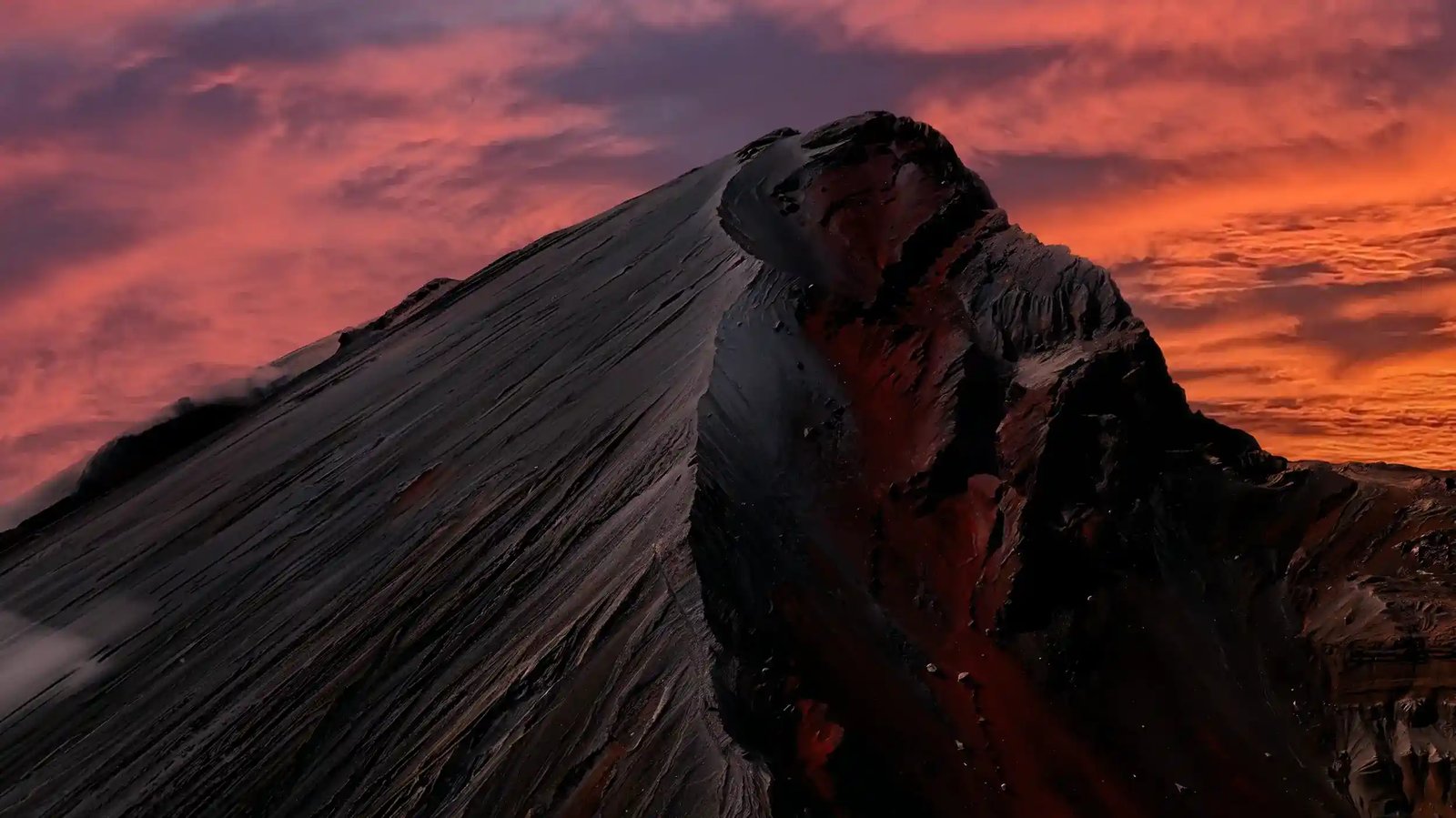
The summit isn’t inherently dangerous for prepared, guided trekkers. But it does throw a lot at you at once: extreme cold, darkness, steep volcanic scree, and narrow ridges. That’s exactly why our Lombok-Indonesia.org team takes the summit push seriously and briefs every group thoroughly beforehand.
The route up in early morning follows loose black volcanic gravel. You effectively take two steps forward and slide one step back, which is both exhausting and requires trekking poles and solid ankle-supporting boots. The final ridge is narrow enough that you need to pay attention to your footing, though it’s not a technical rock climb requiring ropes or harnesses.
The real danger comes from the combination of fatigue and cold. Tired trekkers make poor decisions, lose focus, or fail to communicate with their guide about how they’re feeling. Our guides mitigate this by setting a deliberately sustainable pace, checking on each trekker regularly, enforcing rest breaks, and turning groups around if weather deteriorates or if someone is struggling beyond what is safe.
With experienced guides, appropriate warm clothing, and honest self-assessment, the summit is a thrilling and safe highlight. Without those conditions, the risk increases significantly. That’s why booking with a professional, safety-conscious operator matters so much. Our team has led thousands of trekkers to the top safely and knows exactly when conditions are manageable and when to call it off.