 +62 859-2375-1379
 reservations@lombok-indonesia.org



 English
 العربية
 简体中文
 繁體中文
 Dansk
 Nederlands
 Français
 Deutsch
 हिन्दी
 Indonesia
 日本語
 한국어
 Melayu
 Polski
 Slovenščina
 Español
 ไทย
 Türkçe
 Українська
 Русский
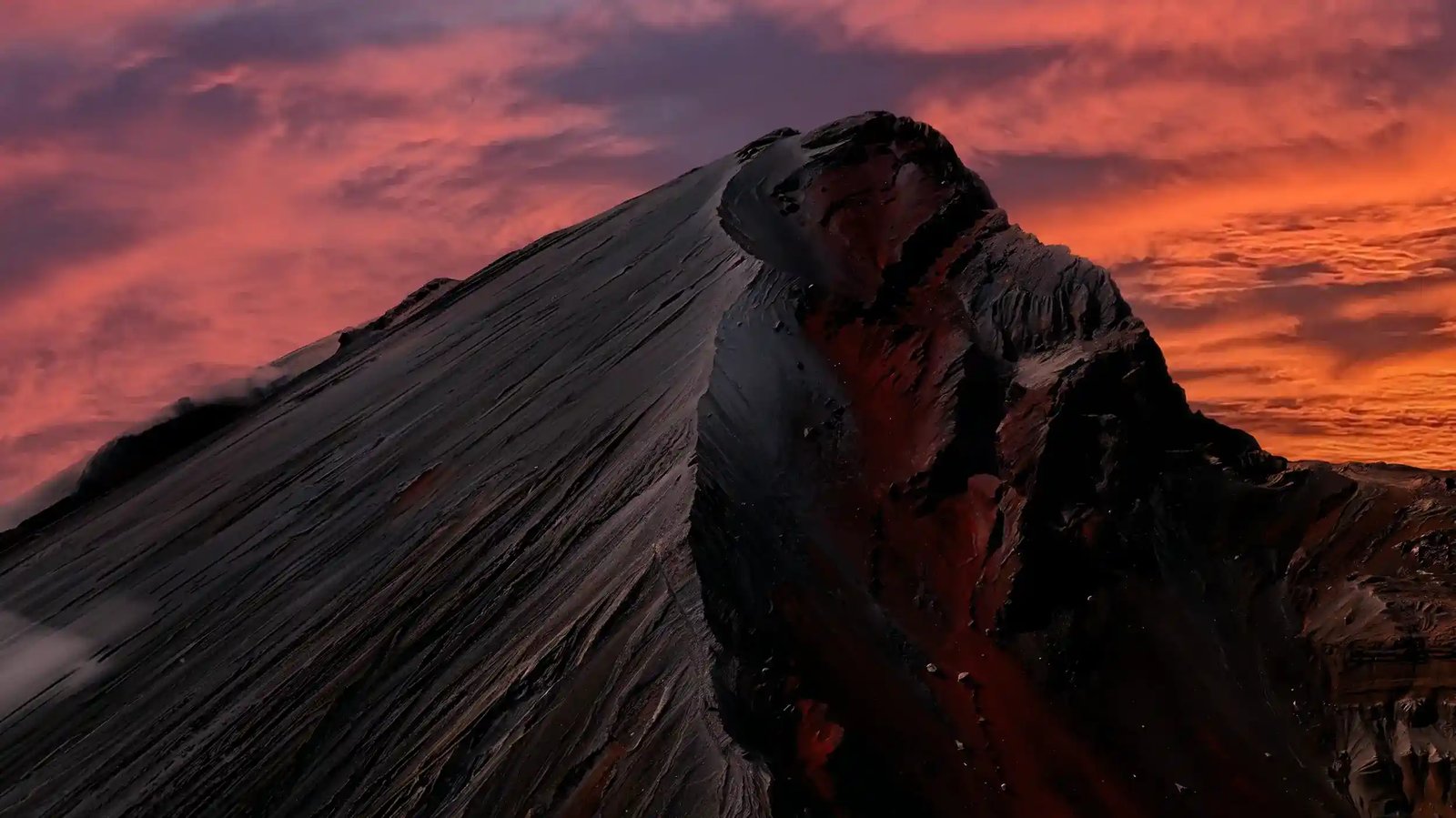
Mount Rinjani and Mount Agung are both serious Indonesian volcano treks, but most experienced trekkers and our guides at Lombok-Indonesia.org agree that Rinjani is the more demanding and logistically complex climb. Mount Agung in Bali is steep and challenging, with a summit at 3,031 meters, but it’s typically done as a single-night trek. You start around midnight, climb for four to six hours, catch sunrise, and descend. The trail is rocky and steep but generally solid, without the loose volcanic scree that defines Rinjani’s summit approach. Rinjani’s summit push is arguably harder because of the scree.
Every step forward slides backward, which doubles the physical effort and drains your mental reserves. You’re also doing this after a full day of trekking to reach the crater rim camp, sleeping in a tent, and then waking up at 2:00 AM to start climbing. The multi-day nature means accumulated fatigue plays a bigger role. Agung is tough, but it’s one concentrated effort. Rinjani tests your endurance across multiple days with less recovery time.
Altitude is another factor. Rinjani’s 3,726 meters is significantly higher than Agung’s 3,031 meters. While neither is extreme altitude, that extra 700 meters is noticeable in how your body feels, especially during the summit push. If you’ve done Agung and felt strong throughout, you’re probably ready for Rinjani. If Agung pushed you to your limit, you’ll want to train more or choose the 3D2N package for Rinjani to give yourself more recovery time.