 +62 859-2375-1379
 reservations@lombok-indonesia.org



 English
 العربية
 简体中文
 繁體中文
 Dansk
 Nederlands
 Français
 Deutsch
 हिन्दी
 Indonesia
 日本語
 한국어
 Melayu
 Polski
 Slovenščina
 Español
 ไทย
 Türkçe
 Українська
 Русский
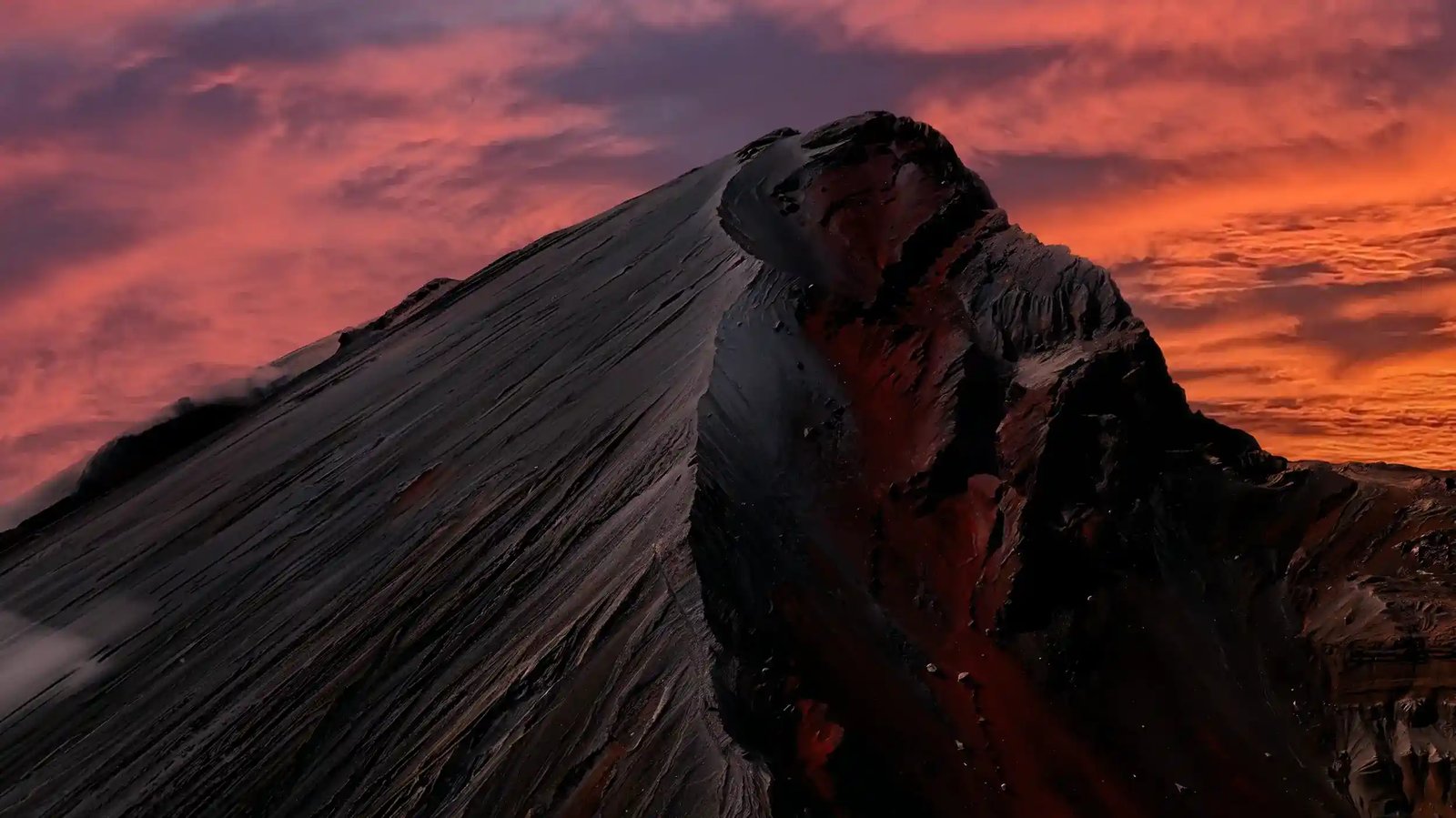
Yes, Rinjani is generally harder than Mount Fuji, though this comparison reveals more about different trekking cultures and infrastructure approaches than simple elevation numbers. Fuji stands slightly higher at 3,776 meters compared to Rinjani’s 3,726 meters, but Fuji’s extensive infrastructure makes it accessible to casual hikers in a way that Rinjani simply isn’t.
Fuji has well-maintained trails with proper switchbacks, mountain huts where you can buy hot food and rest in relative comfort, and established support systems that make the experience manageable for almost anyone who can walk uphill. Most people climb Fuji as a long day hike or overnight trip where they can purchase supplies, use real toilets, and sleep in sheltered huts. Rinjani is multiple consecutive days of remote wilderness trekking with no huts, no shops, no infrastructure, and no easy outs if conditions deteriorate.
The summit scree on Rinjani is also more physically challenging than Fuji’s established trails. Our guides at Lombok-Indonesia.org regularly hear from travelers who’ve done both mountains, and most say Rinjani felt significantly more demanding because of the combination of steep loose volcanic terrain, completely basic camping conditions, and the compressed physical intensity of the daily hiking schedule. Fuji is a hike with support. Rinjani is an expedition that requires self-sufficiency and mental toughness.
If you’ve done Fuji and are considering Rinjani, approach it with proper respect and preparation. The skills that got you up Fuji are relevant, but Rinjani will test you in different ways that matter just as much.