 +62 859-2375-1379
 reservations@lombok-indonesia.org



 English
 العربية
 简体中文
 繁體中文
 Dansk
 Nederlands
 Français
 Deutsch
 हिन्दी
 Indonesia
 日本語
 한국어
 Melayu
 Polski
 Slovenščina
 Español
 ไทย
 Türkçe
 Українська
 Русский
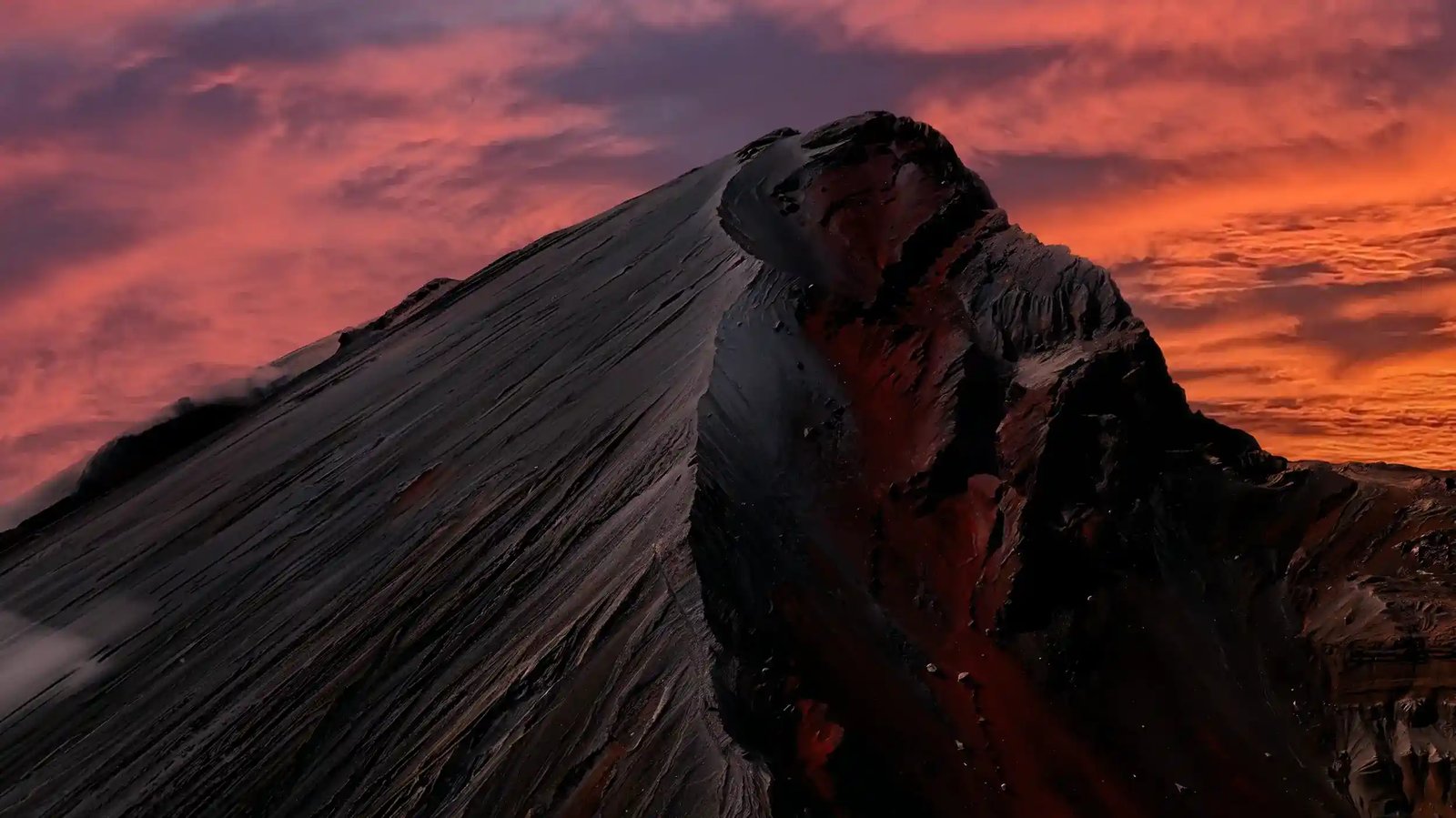
A 30-liter daypack is the safer default for a Rinjani tour; a 20-liter pack works only when the porter arrangement is tightly specified and you genuinely carry almost nothing yourself. The liters matter less than the agreement about what moves with the porter and what stays on your back every day.
Be precise about the porter service, because that is the whole decision. Porters normally carry the group equipment: tents, food and cooking gear. Some operators describe a personal bag of roughly 5 to 8 kilograms per trekker, and one local packing guide even proposes a 40-liter pack for two- and three-day tours if you carry more of your own belongings. The question to ask before you pack is exactly which items travel with the crew: sleeping bag, mattress, spare clothes and drinking water are sometimes included and sometimes not, and every answer changes your pack size.
What you keep on your own back is the kit you need on the move: insulation, shell, water, headtorch, first-aid supplies, camera and power bank. On summit morning the rule is absolute: everything warm stays in your personal pack, because the insulated jacket and shell you need at the 3,726 meter summit cannot be sitting in a duffel at the rim camp. A 20-liter pack fits that list if it is disciplined; add a camera and extra water and you are already at 30 liters, and a bag that is too small forces bad choices like wearing everything instead of carrying it.
Fit and weight finish the decision. Whatever the liters, test the pack loaded on stairs and downhill slopes, with the hip belt doing its share, because a full traverse covers about 33 kilometers over several days and an ill-fitting pack ruins them. We brief every guest on exactly what our porters carry and what stays personal, so ask the question before departure rather than discovering the arrangement at the trailhead, and if you are between sizes, take the bigger one: space is the only thing on this mountain you never regret having.