 +62 859-2375-1379
 reservations@lombok-indonesia.org



 English
 العربية
 简体中文
 繁體中文
 Dansk
 Nederlands
 Français
 Deutsch
 हिन्दी
 Indonesia
 日本語
 한국어
 Melayu
 Polski
 Slovenščina
 Español
 ไทย
 Türkçe
 Українська
 Русский
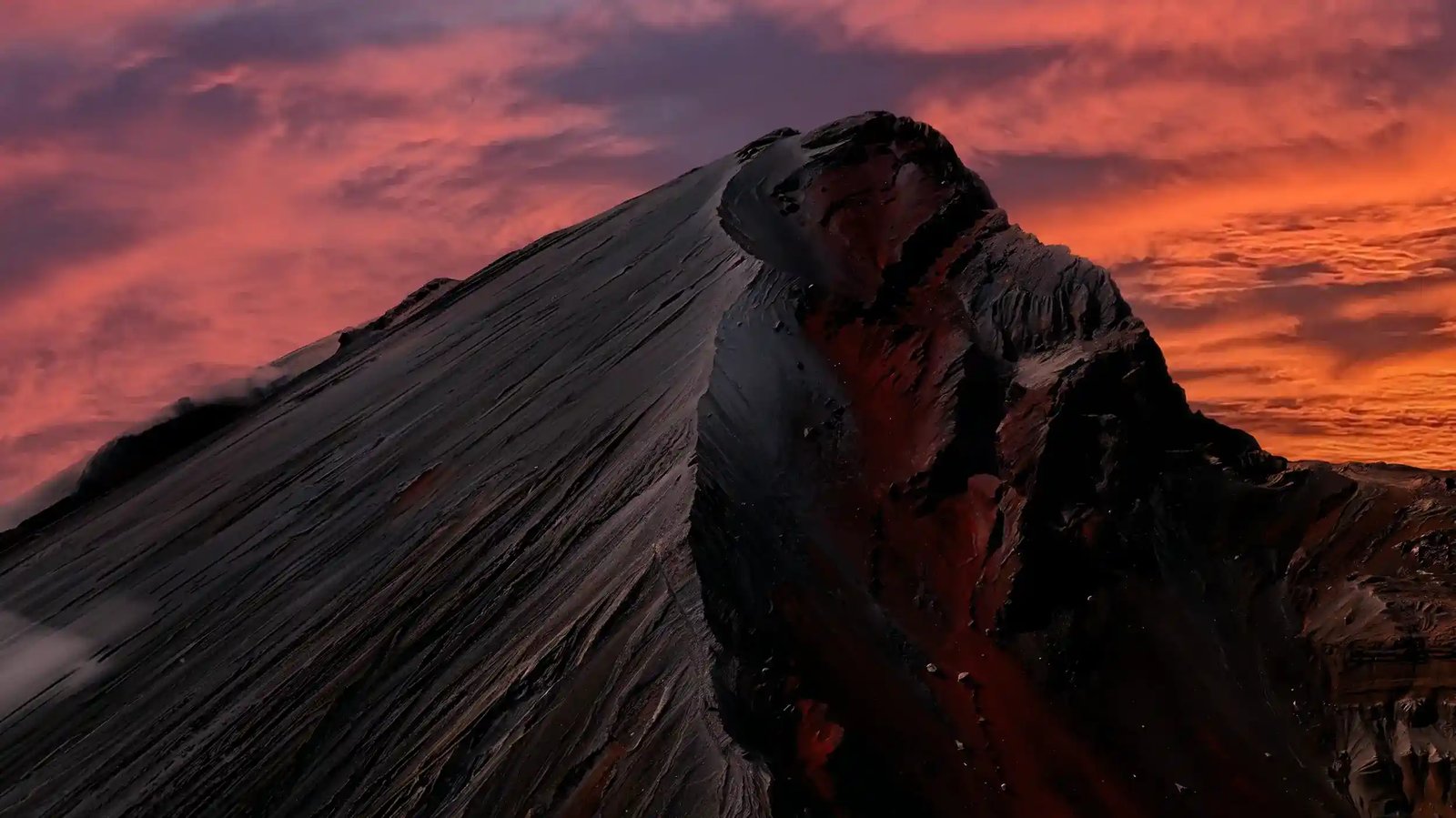
While Rinjani is an active volcano, the probability of a full-scale eruption during your specific trek is extremely low. The mountain is currently in a non-eruptive phase and is monitored continuously by Indonesian volcanological authorities. You’re more likely to struggle with the loose scree than face an eruption.
The most recent activity, in 2015 and 2016, involved the Barujari cone rather than the main summit, and even then, eruptions were preceded by weeks of detectable seismic unrest that allowed authorities to close the park in advance. At Lombok-Indonesia.org, the team follows these official alerts closely and would cancel or reschedule a trek if any warning signs emerged. They don’t take chances.
The guides on the mountain are also trained to recognize environmental cues like unusual gas smells, increased ground warmth, or ash venting that might precede an official alert. They have the authority to begin an immediate descent if anything seems off. Trust their instincts.
Here’s the thing: you’re far more likely to face challenges from weather, loose scree, or personal fatigue than from volcanic activity. The park’s closure protocols during the rainy season, from January through March, are actually a bigger factor in trek scheduling than eruption risk. If you’re trekking during the main season from April to December, the mountain is considered stable, and your guides’ expertise provides an additional layer of security against the unlikely event of any surprise activity.