 +62 859-2375-1379
 reservations@lombok-indonesia.org



 English
 العربية
 简体中文
 繁體中文
 Dansk
 Nederlands
 Français
 Deutsch
 हिन्दी
 Indonesia
 日本語
 한국어
 Melayu
 Polski
 Slovenščina
 Español
 ไทย
 Türkçe
 Українська
 Русский
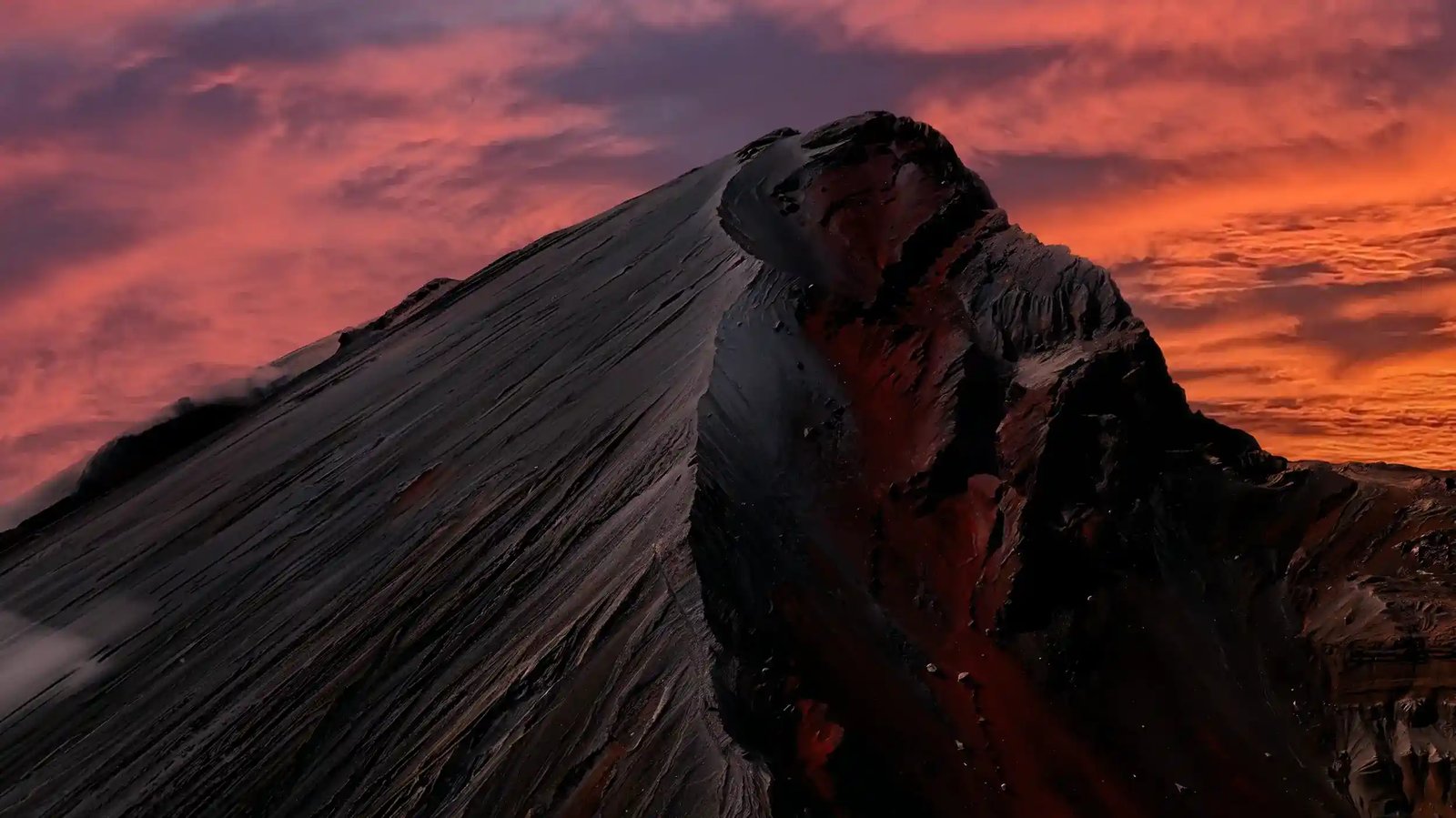
Rock fall is a possibility on certain sections of Rinjani, particularly on steeper cliff faces and narrow gully sections where volcanic geology leaves plenty of loose material above the trail. The risk isn’t constant or extreme, but it’s real enough that the experienced guides at Lombok-Indonesia.org are trained to identify high-risk zones and time crossings appropriately. They know where to be careful.
They’ll often pause the group to explain why a particular section requires caution, and may ask everyone to move through quickly and quietly rather than lingering for photos directly beneath an unstable slope. The Torean route and certain upper ridge sections have more exposure to rock fall than the standard Sembalun summit route, which is one reason Torean is typically offered only to groups of two or more with solid fitness.
Most rock fall incidents are small, caused by thermal expansion or movement of other trekkers higher up, rather than massive geological events. It’s usually just a few stones, not a landslide.
Wearing a helmet isn’t standard practice on Rinjani, but staying alert, listening to your guide, and avoiding selfies in obviously exposed spots are the best ways to mitigate risk. The guides have navigated these trails hundreds of times, and their route knowledge is your best protection. Trust their judgment and don’t linger where they tell you to move.