 +62 859-2375-1379
 reservations@lombok-indonesia.org



 English
 العربية
 简体中文
 繁體中文
 Dansk
 Nederlands
 Français
 Deutsch
 हिन्दी
 Indonesia
 日本語
 한국어
 Melayu
 Polski
 Slovenščina
 Español
 ไทย
 Türkçe
 Українська
 Русский
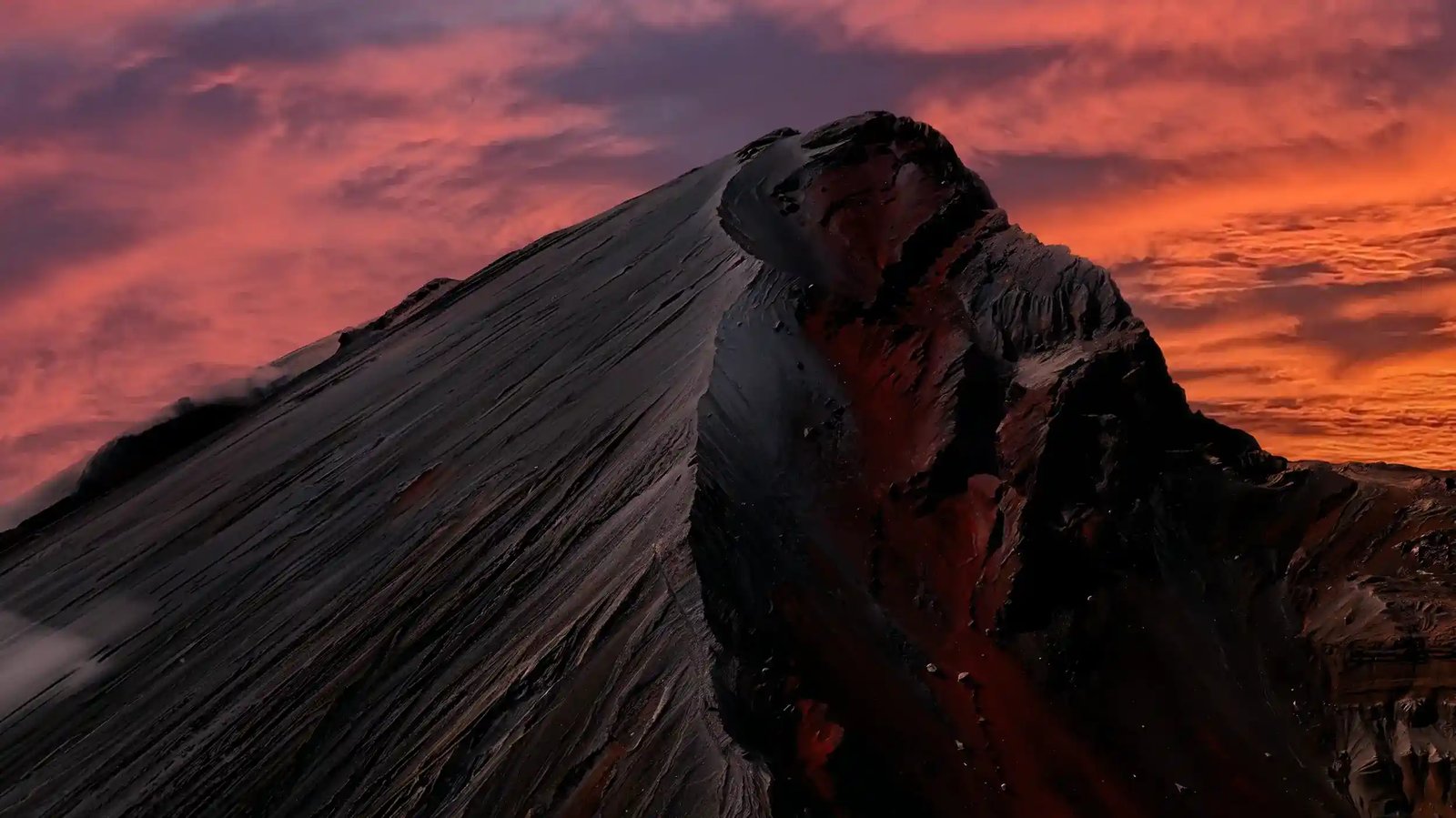
It would be misleading to claim no one has ever died on Mount Rinjani, because like any major mountain, it’s seen fatalities over the years. Even as of 2025 there were fatalties on the mountain. But they’re rare relative to the tens of thousands of trekkers who attempt the summit every year. Most serious incidents involve trekkers who were either unguided, tried the mountain during unsafe weather, or pushed beyond their physical limits without support. The summit scree slope, narrow ridge, and sudden weather changes don’t forgive casual treatment. It can be dangerous and does take lives yearly when conditions are bad.
That’s precisely why Lombok-Indonesia.org never cuts corners on safety or guide experience. Most trekking fatalities on major peaks follow a similar pattern. Exhaustion leads to poor decisions. Inadequate clothing leads to hypothermia.
Or trekkers keep going in dangerous conditions because turning back feels like failure. Our guides are trained to watch for these psychological and physical tipping points. They monitor clients for altitude sickness signs, enforce rest breaks, and have the authority to turn a group around if conditions deteriorate.
We carry first-aid supplies, communication devices for lower elevations, and maintain relationships with local evacuation networks. There’s no helicopter rescue on Rinjani, but our guides know the fastest and safest descent routes and can coordinate porter-assisted evacuation if needed. For travelers booking with Lombok-Indonesia.org, the relevant number isn’t the total deaths on the mountain.
It’s the safety record of the guiding team you’re trusting. We’ve successfully guided hundreds of clients through all conditions, including beginners, older trekkers, and solo travelers. The mountain demands respect, but it doesn’t need to be feared when you approach it with the right team, proper equipment, and realistic expectations about your own physical condition.