 +62 859-2375-1379
 reservations@lombok-indonesia.org



 English
 العربية
 简体中文
 繁體中文
 Dansk
 Nederlands
 Français
 Deutsch
 हिन्दी
 Indonesia
 日本語
 한국어
 Melayu
 Polski
 Slovenščina
 Español
 ไทย
 Türkçe
 Українська
 Русский
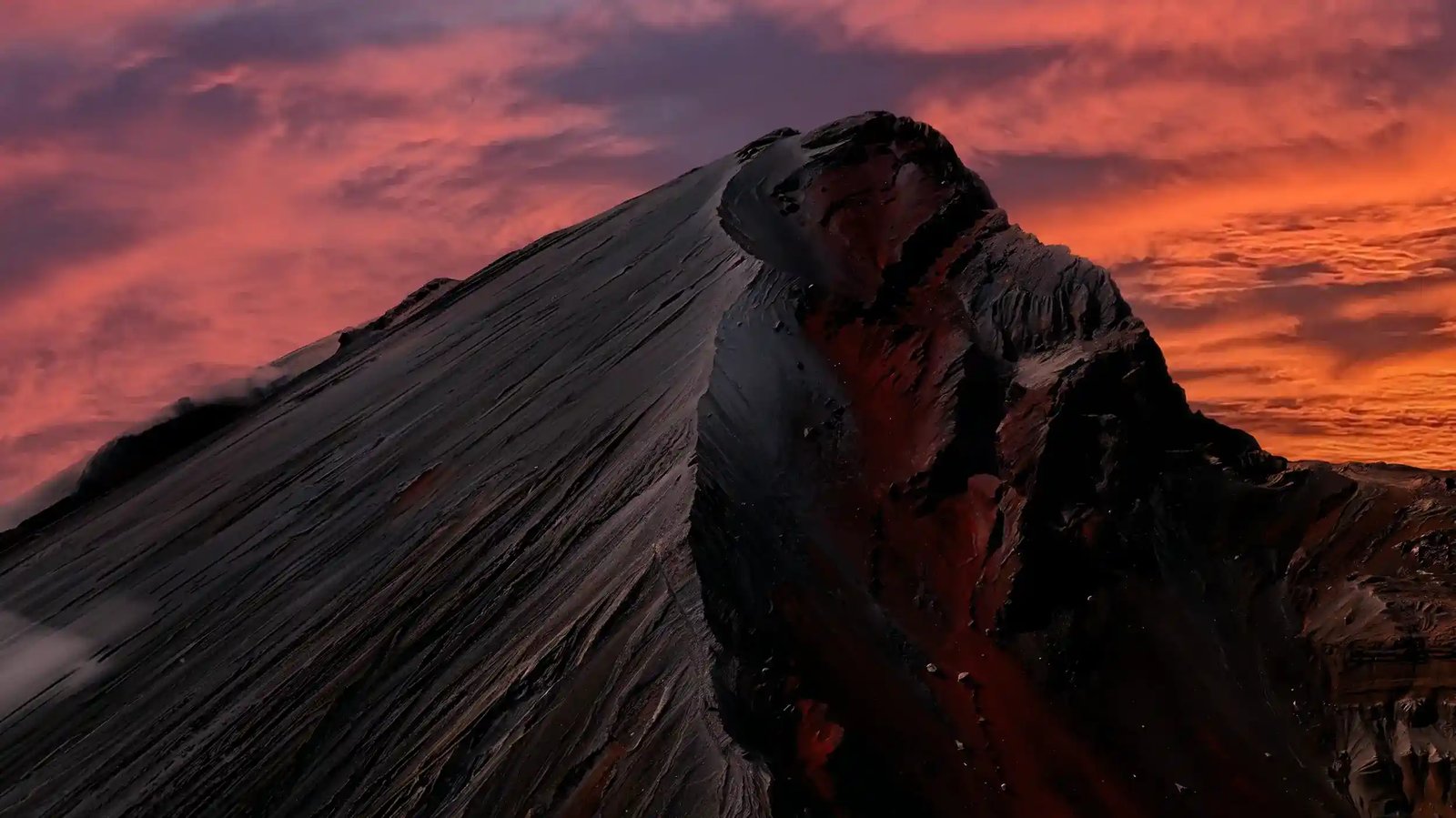
Guides on Rinjani monitor volcanic activity through a combination of official communication channels, direct observation, and decades of collective experience reading the mountain’s moods. Lombok-Indonesia.org maintains regular contact with the national park office and local volcanological observation posts, which provide updates on seismic activity, sulfur dioxide levels, and any changes in the status of the Barujari cone or the main caldera. It’s a layered approach.
Before each trek, the operations team in Senaru checks for official alerts or closures, and guides are briefed on current conditions during the morning departure meeting. Everyone starts the day informed. On the mountain itself, guides rely on their senses and training to spot early warning signs that technology might miss.
Changes in gas smells near the crater, unusual steam venting, new ground discoloration, or subtle tremors that an untrained trekker might dismiss as wind. They also observe wildlife behavior and water levels in hot springs around Segara Anak, as these can shift before seismic activity becomes obvious. Nature gives hints if you know how to read them.
Because the guides have climbed Rinjani hundreds of times across many years, they develop an intuitive sense of what’s normal and what isn’t. If anything seems unusual, they don’t wait for official confirmation to begin cautionary measures like altering the route or accelerating descent. This layered approach, combining science, communication, and hard-won field experience, is what makes professional guided trekking on an active volcano responsibly manageable.