 +62 859-2375-1379
 reservations@lombok-indonesia.org



 English
 العربية
 简体中文
 繁體中文
 Dansk
 Nederlands
 Français
 Deutsch
 हिन्दी
 Indonesia
 日本語
 한국어
 Melayu
 Polski
 Slovenščina
 Español
 ไทย
 Türkçe
 Українська
 Русский
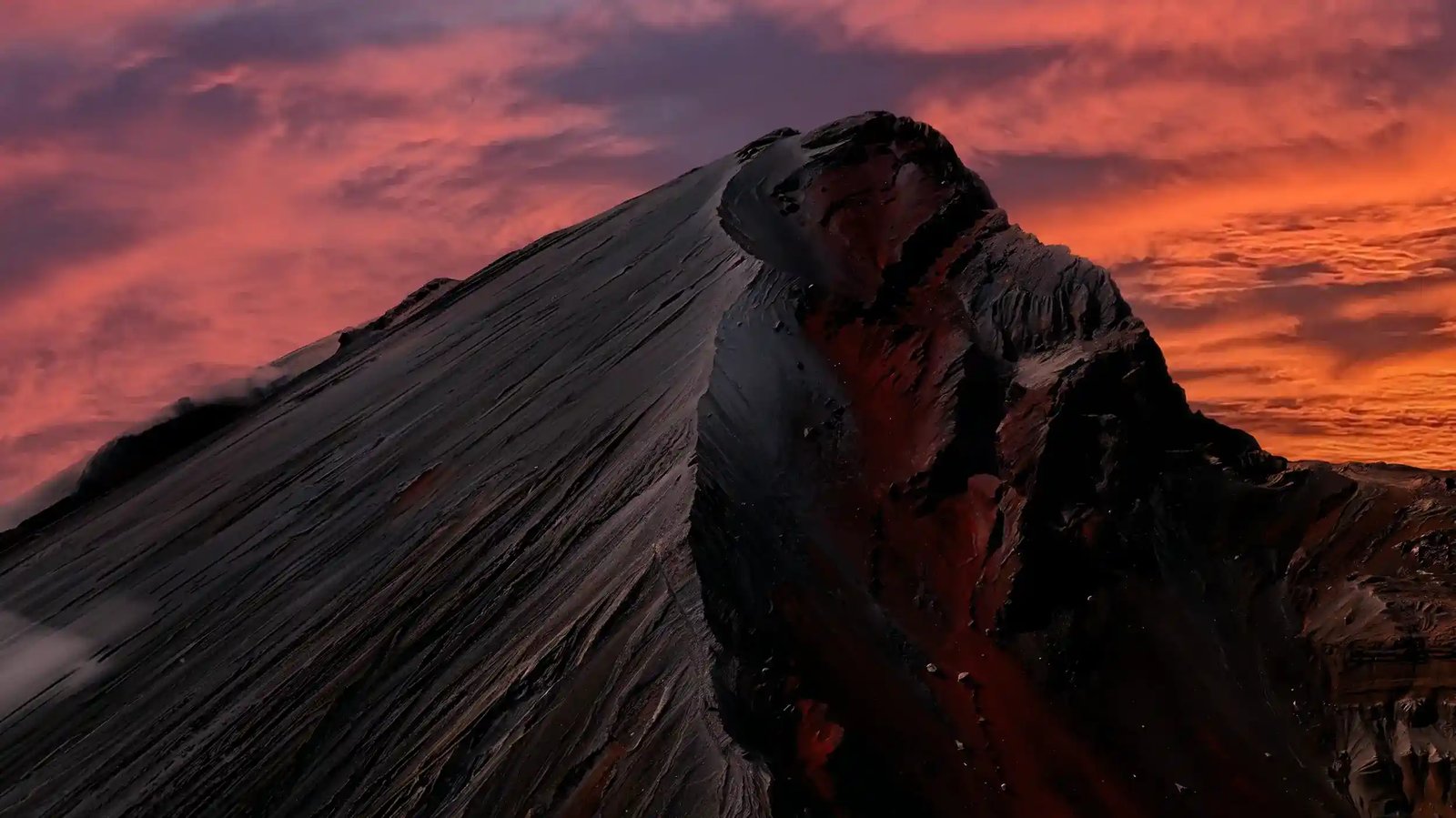
The Rinjani summit is very steep, especially in the final section. Most hikers consider it the hardest part of the entire trek. The slope angle increases steadily as you approach the peak, and the last stretch feels like climbing a long, steep ramp made of loose volcanic sand. Every step sinks into the ground, so you slide backward slightly with each movement. This creates the feeling of climbing two steps forward and slipping one step back.
The steepest part begins after the final rest point, usually reached just before sunrise. From there, the trail follows a narrow ridge with deep sand and gravel. The incline is consistent and demanding, and the high altitude makes breathing harder. Even fit hikers move slowly because the ground does not provide firm footing. Trekking poles are extremely helpful here because they give extra stability and reduce the strain on your legs.
Although the ridge looks dramatic, the route does not involve exposed cliff edges like some alpine climbs in Nepal or Switzerland. The challenge is mostly physical rather than technical. The ground is unstable, the slope is long, and the wind can be strong. Many hikers say this final section requires mental focus as much as physical strength.
Because of the steepness, having proper gear is essential. Good hiking shoes, warm clothing, a headlamp for the early morning climb, and a trained guide all make the summit attempt safer and more manageable. People who prefer an easier experience can skip the summit altogether and choose the Senaru crater rim trek, which still provides excellent views without the difficult climb.
The summit is steep enough to challenge even experienced hikers, but with preparation and the right support, it is an achievable goal for many visitors.