 +62 859-2375-1379
 reservations@lombok-indonesia.org



 English
 العربية
 简体中文
 繁體中文
 Dansk
 Nederlands
 Français
 Deutsch
 हिन्दी
 Indonesia
 日本語
 한국어
 Melayu
 Polski
 Slovenščina
 Español
 ไทย
 Türkçe
 Українська
 Русский
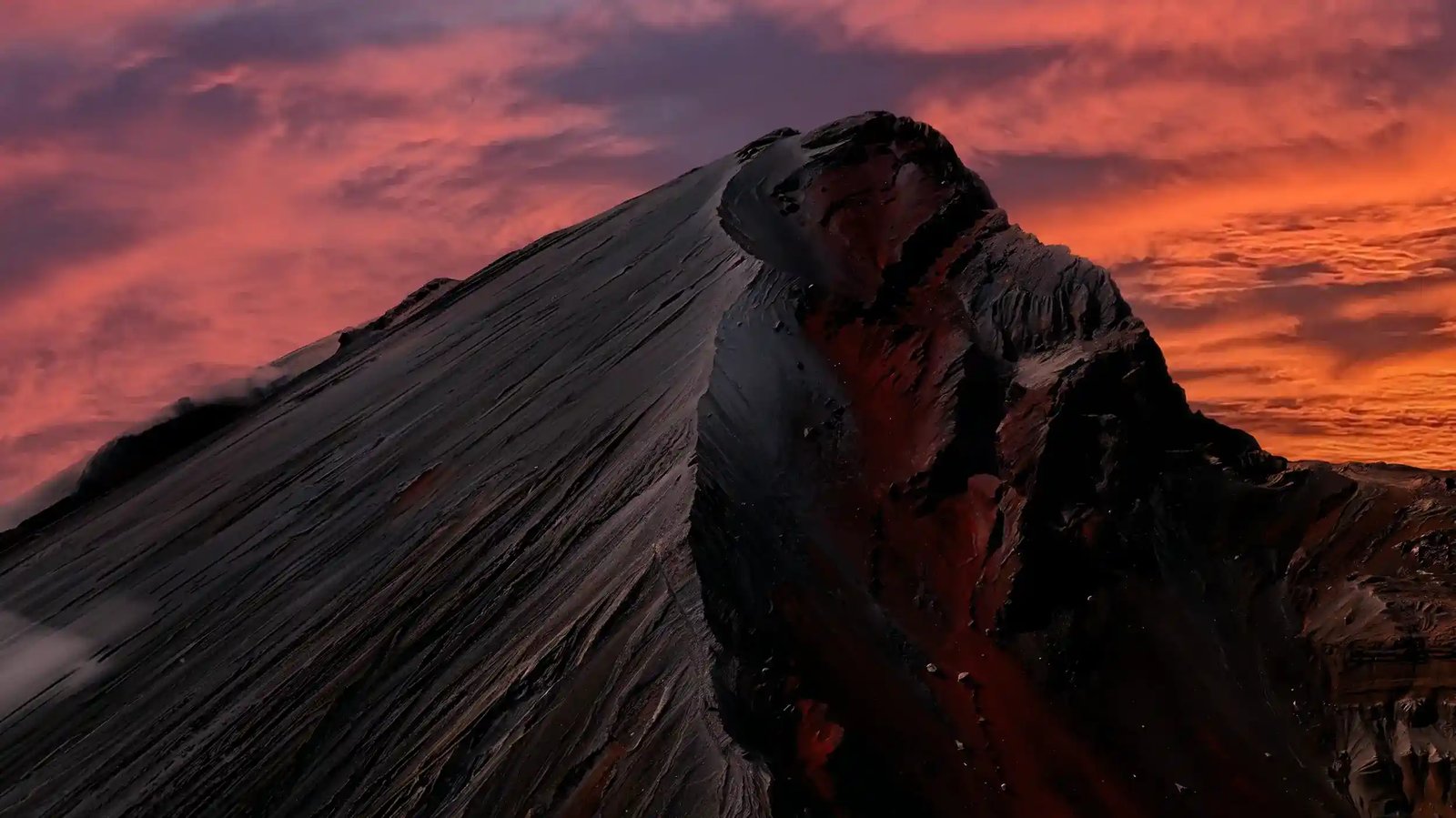
Yes, Rinjani is classified as an active volcano, which adds to its dramatic allure and also demands respect from everyone who climbs it. The mountain sits at 3,726 meters, making it the second highest volcano in Indonesia, and its most recent eruptive activity happened in 2015 and 2016, when the smaller Barujari cone inside the crater lake erupted, sending ash columns skyward and triggering temporary park closures. It was a significant event that got international attention.
Since then, Rinjani has remained in a non-eruptive phase, but it’s continuously monitored by Indonesian volcanological authorities who track seismic activity, gas emissions, and ground deformation. At Lombok-Indonesia.org, the operations team stays in close contact with park officials and local guides to ensure treks only proceed when conditions are stable. Safety comes first, always.
The national park has well-established protocols for closures and alerts, and the trekking season itself is structured around the dry months when volcanic and weather risks are lowest. Hiking an active volcano isn’t inherently reckless, provided you go with experienced guides who understand the mountain’s behavior and respect the official monitoring systems.
The volcanic nature of Rinjani is precisely what created the spectacular crater lake, the dramatic caldera, and the otherworldly summit landscape that make the trek so unforgettable. That active status is part of what makes this place special.