 +62 859-2375-1379
 reservations@lombok-indonesia.org



 English
 العربية
 简体中文
 繁體中文
 Dansk
 Nederlands
 Français
 Deutsch
 हिन्दी
 Indonesia
 日本語
 한국어
 Melayu
 Polski
 Slovenščina
 Español
 ไทย
 Türkçe
 Українська
 Русский
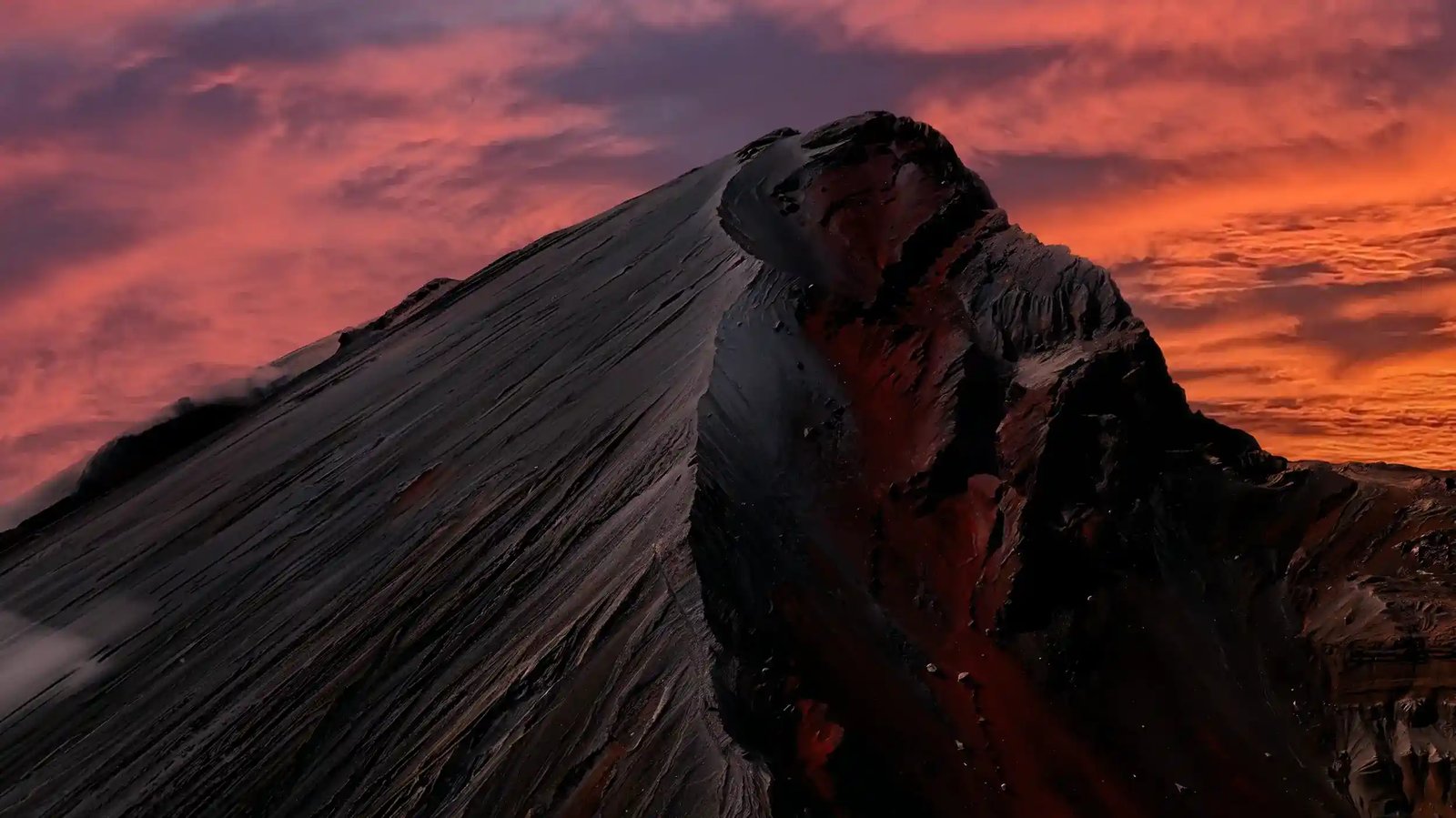
The biggest dangers on Mount Rinjani aren’t dramatic or exotic. They’re the everyday hazards of high-altitude trekking that become dangerous when people aren’t prepared for them. First is the steep volcanic scree on the summit approach. For every two steps forward, you slide back one.
It’s exhausting, it’s mentally draining, and in darkness with freezing temperatures, it can push trekkers past their limits. Second is the weather. Afternoons might feel warm and pleasant, but temperatures can drop below freezing at night with little warning. Wind, rain, and fog can roll in fast, especially on the exposed ridge.
Third is physical exhaustion compounded by poor decision-making. Trekkers who didn’t sleep well, who are dehydrated, or who pushed too hard on day one often make mistakes during the summit push. They don’t eat enough, they ignore early signs of altitude sickness, or they keep going when their body is telling them to stop. Fourth is inadequate gear.
Trekking in running shoes or cotton clothing in near-freezing conditions isn’t just uncomfortable. It’s genuinely dangerous. Hypothermia is a real risk if you’re wet and cold with no way to warm up until you get back to camp. At Lombok-Indonesia.org, our guides are specifically trained to mitigate each of these risks.
They pace the group appropriately, monitor weather constantly, enforce rest and nutrition breaks, and carry emergency supplies. They also do gear checks before the trek starts and can arrange rentals if you’re missing critical items. The dangers are real, but with professional guidance and proper preparation, they’re entirely manageable.