 +62 859-2375-1379
 reservations@lombok-indonesia.org



 English
 العربية
 简体中文
 繁體中文
 Dansk
 Nederlands
 Français
 Deutsch
 हिन्दी
 Indonesia
 日本語
 한국어
 Melayu
 Polski
 Slovenščina
 Español
 ไทย
 Türkçe
 Українська
 Русский
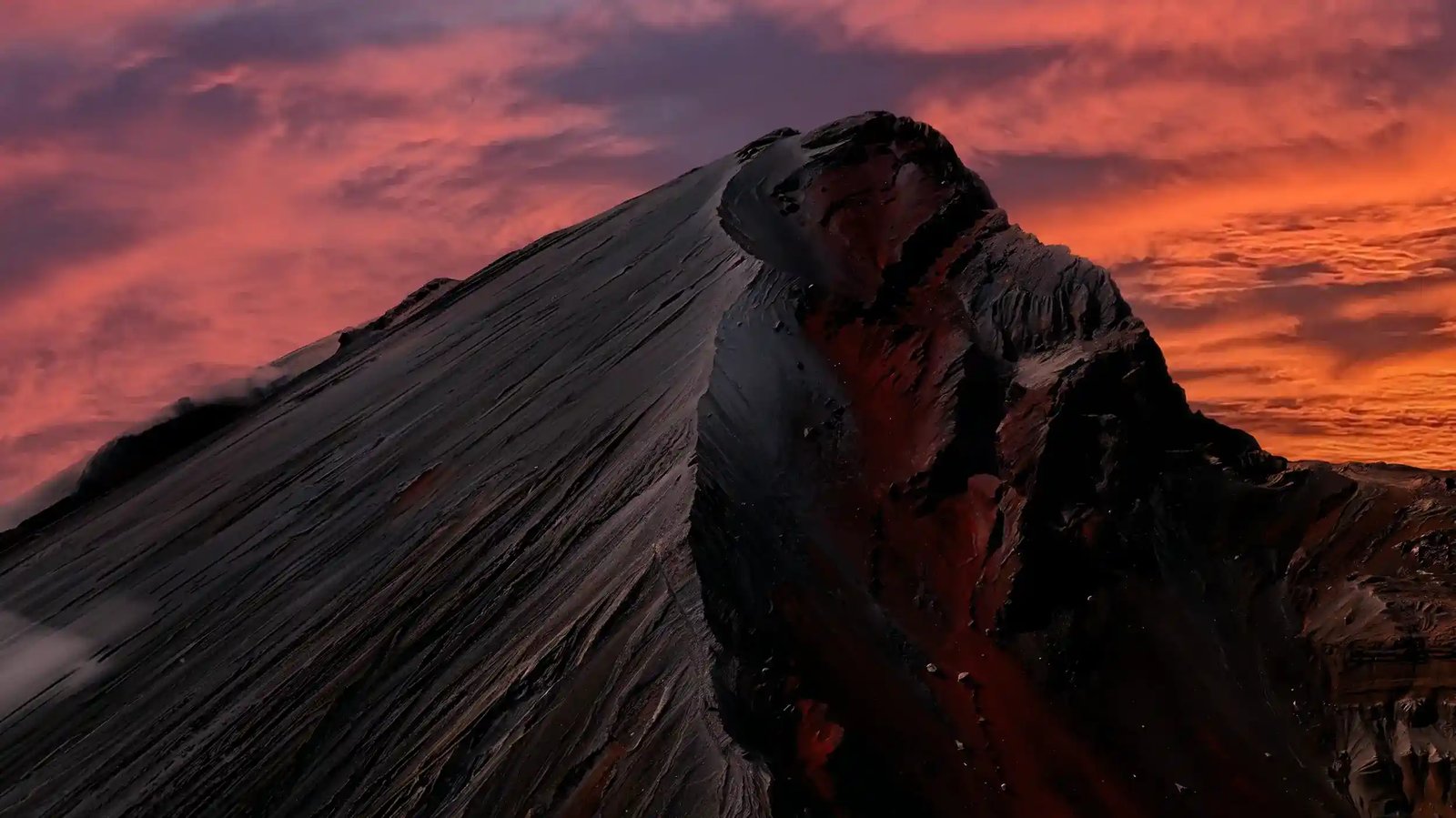
While extremely rare, a fatality on Mt. Rinjani would be handled according to Indonesian national park protocols and local law. The guide team would immediately secure the scene, notify park authorities, and coordinate with local police and emergency services to manage body recovery, investigation, and family notification.
The terrain and altitude make recovery logistically difficult. It often requires multiple porters and volunteers to carry the deceased down the same steep, loose trails that challenged them in life. A somber and physically demanding task that can take many hours or even extend into a second day depending on location.
For the trekking group, the psychological impact would be profound. An experienced operator like Lombok-Indonesia.org would prioritize supporting survivors, arranging immediate and safe descent, and providing access to counseling or pastoral care as needed in the days following the incident.
It’s important to put this risk in honest perspective. Rinjani is an active volcano with real hazards including altitude, cold, steep terrain, and weather. But the vast majority of deaths on the mountain involve trekkers climbing without guides, during closed seasons, or in extreme weather that they chose to ignore against clear warnings.
When you trek with a professional team, follow safety instructions, wear proper equipment, and respect your own physical limits, the statistical risk of a fatal incident is extremely low, though never zero. Every trekker should carry comprehensive travel insurance that covers emergency evacuation and repatriation. Not because tragedy is likely, but because mountain travel always carries inherent uncertainty.