 +62 859-2375-1379
 reservations@lombok-indonesia.org



 English
 العربية
 简体中文
 繁體中文
 Dansk
 Nederlands
 Français
 Deutsch
 हिन्दी
 Indonesia
 日本語
 한국어
 Melayu
 Polski
 Slovenščina
 Español
 ไทย
 Türkçe
 Українська
 Русский
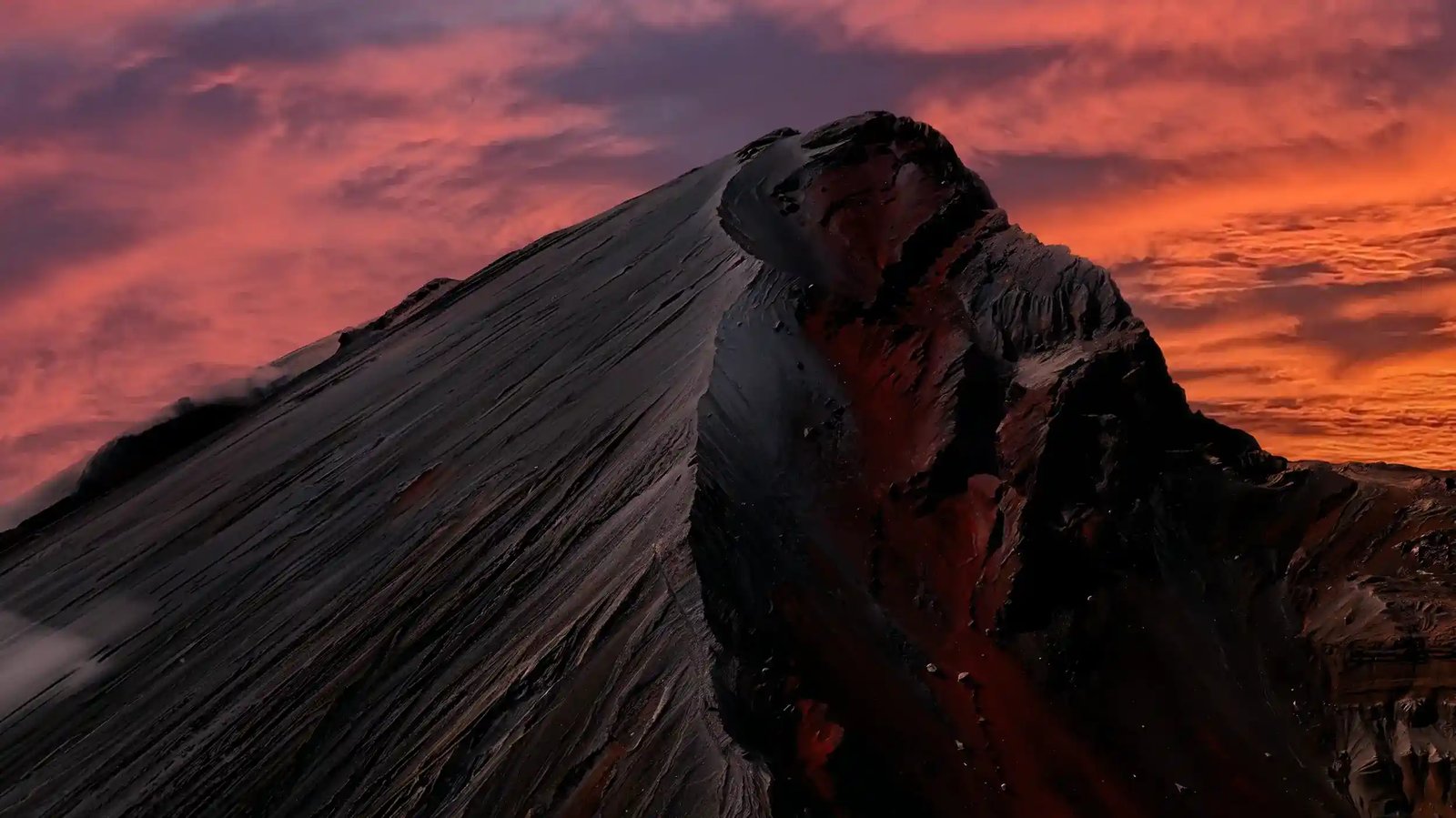
Earthquakes are a genuine possibility on Rinjani because it’s an active volcano in one of the most seismically active regions on Earth, the Pacific Ring of Fire. While most tremors are minor and go unnoticed, a stronger quake could trigger rock falls or ground instability. It’s just the reality of where this mountain sits.
At Lombok-Indonesia.org, guides are trained to respond calmly and decisively if seismic activity occurs. Their first priority is moving the group away from steep cliff faces, overhangs, or loose slope sections where rock fall is a secondary risk. On the open crater rim or summit plateau, the safest response is usually to stay low and avoid running, because the uneven terrain poses a greater immediate threat than the shaking itself. Running on loose rock is dangerous.
Guides maintain communication with park authorities and base operations where signal permits, and they’re aware of evacuation protocols for each trail section. It’s important to understand there’s no helicopter rescue on Rinjani, so any evacuation happens on foot along the same trails you ascended.
The guides know these routes intimately and can adjust descent timing based on conditions. While the chance of experiencing a significant earthquake during your specific trek is statistically low, knowing your guides have contingency plans provides real peace of mind. They’re prepared for situations most trekkers never even think about.