 +62 859-2375-1379
 reservations@lombok-indonesia.org



 English
 العربية
 简体中文
 繁體中文
 Dansk
 Nederlands
 Français
 Deutsch
 हिन्दी
 Indonesia
 日本語
 한국어
 Melayu
 Polski
 Slovenščina
 Español
 ไทย
 Türkçe
 Українська
 Русский
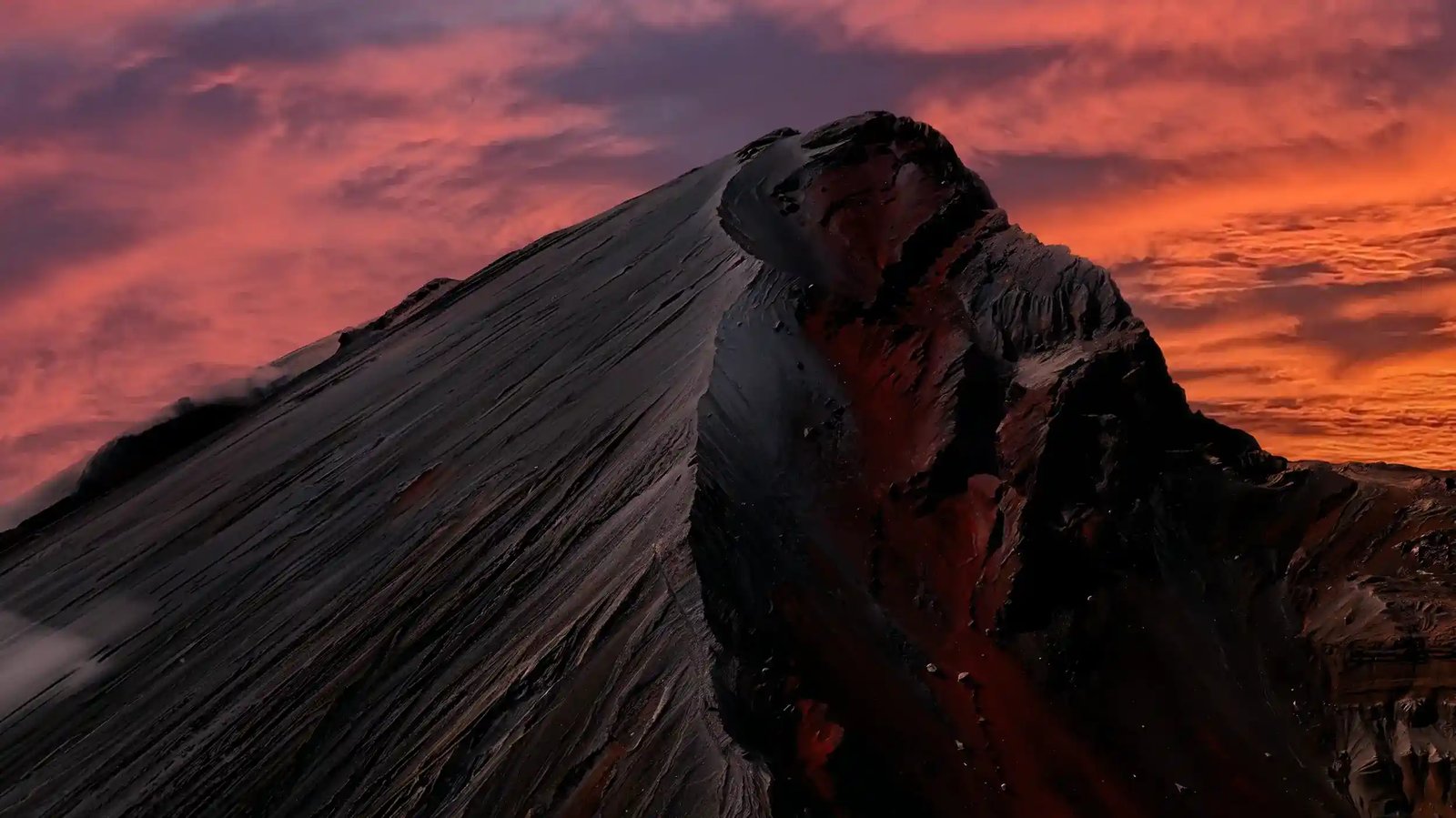
Mount Rinjani is an active volcano standing at 3,726 meters, so calling it dangerous isn’t entirely wrong. But context matters a lot. The mountain isn’t dangerous in some unpredictable, inherently deadly way. It presents real physical challenges that only become dangerous when people underestimate them or trek without proper support. The biggest hazards are the steep, loose volcanic scree on the final summit approach, weather that shifts from warm afternoons to freezing nights, and the physical toll of trekking at altitude with limited recovery time. These are manageable for prepared trekkers with experienced guides, which is exactly what Lombok-Indonesia.org provides on every expedition.
The dangers that do exist are mostly environmental and physical. There are no dangerous animals on the mountain. Some monkeys near the lower trails might try to steal your food, and you might see harmless snakes or spiders, but nothing that poses a real threat. Rock fall is possible in certain areas, which is why our guides monitor trail conditions and time movements accordingly. The summit ridge is narrow and exposed, and the scree slope needs careful foot placement. But our guides have led hundreds of clients through these sections safely by setting a conservative pace and knowing when conditions are too risky.
You can always turn back, and a good guide will support that decision without making you feel bad. What really raises the risk is when trekkers go without guides, with inadequate gear, or in poor physical condition. That’s why Lombok-Indonesia.org emphasizes pre-trek communication, realistic fitness assessment, and proper equipment, including the option to rent jackets and shoes through our partner shop. The mountain demands respect, not fear. With the right preparation, professional guidance, and a realistic understanding of your own limits, Rinjani moves from ‘dangerous’ into ‘challenging but deeply rewarding.’