 +62 859-2375-1379
 reservations@lombok-indonesia.org



 English
 العربية
 简体中文
 繁體中文
 Dansk
 Nederlands
 Français
 Deutsch
 हिन्दी
 Indonesia
 日本語
 한국어
 Melayu
 Polski
 Slovenščina
 Español
 ไทย
 Türkçe
 Українська
 Русский
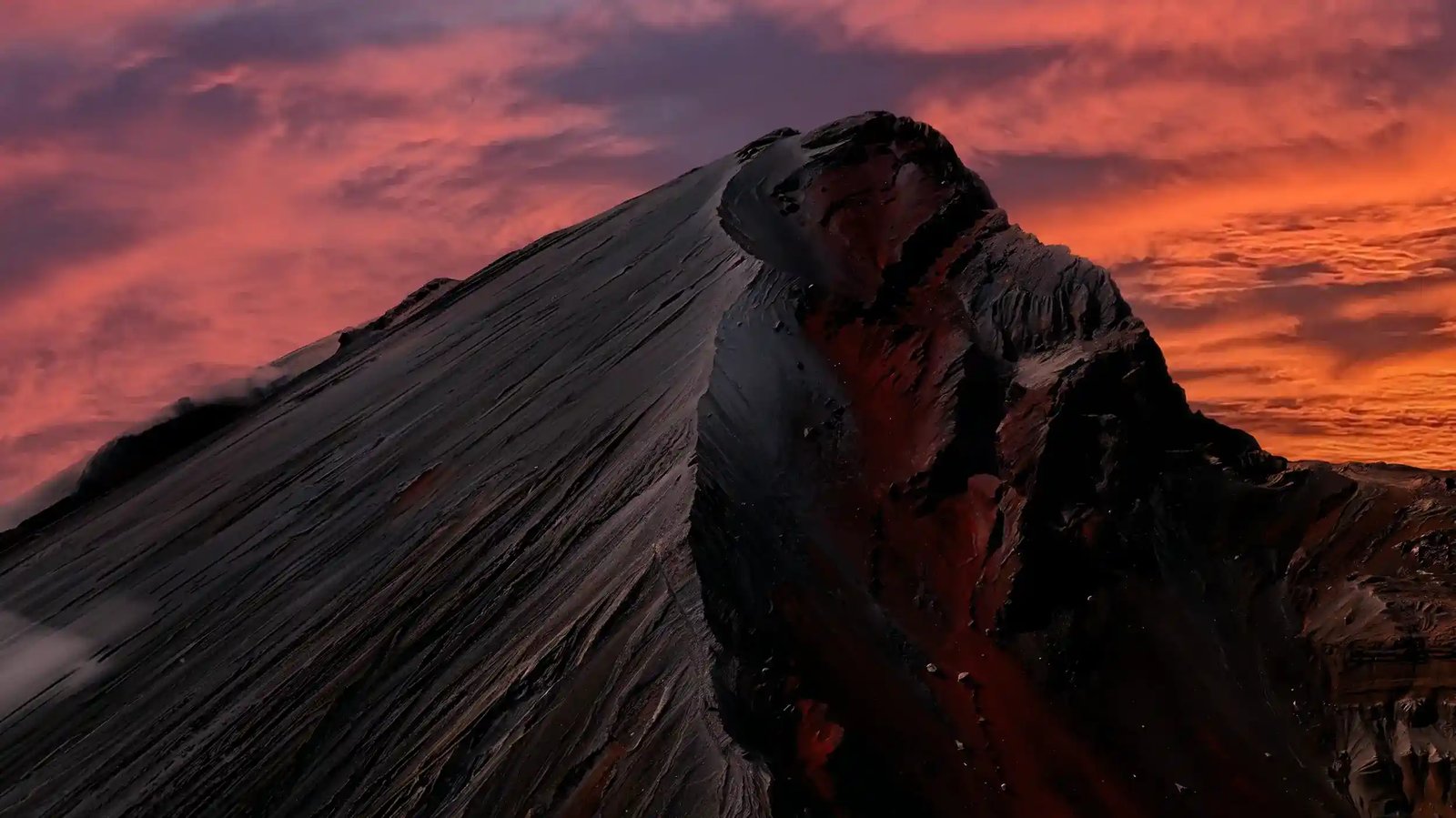
The summit climb is the most challenging and potentially dangerous part of Mount Rinjani, but ‘dangerous’ needs context. It’s dangerous in the sense that it’s physically demanding, exposed to weather, and on terrain where a slip or stumble could cause injury. It’s not dangerous in the sense that you’re at risk of falling into the crater or off a cliff.
The summit ridge is narrow and exposed, but it’s not a knife-edge where one wrong step means disaster. The real dangers on the summit push are environmental and physical. Near-freezing temperatures combined with wind can lead to hypothermia if you’re underdressed.
The loose volcanic scree is exhausting and increases the risk of sprains or falls. Darkness means limited visibility for foot placement, though our guides provide headlamps and set a conservative pace. Altitude at 3,726 meters can cause symptoms like headaches or nausea in susceptible individuals.
These are all manageable with proper gear, pacing, and guidance. At Lombok-Indonesia.org, our guides are specifically experienced with the summit section. They know exactly how to pace different fitness levels, when to call a turn-around if weather deteriorates, and how to spot early signs of altitude sickness or hypothermia.
They carry emergency supplies and know the fastest descent routes if someone needs to get down quickly. The summit push is serious, but with professional guides and proper preparation, it’s a challenge, not a gamble.