 +62 859-2375-1379
 reservations@lombok-indonesia.org



 English
 العربية
 简体中文
 繁體中文
 Dansk
 Nederlands
 Français
 Deutsch
 हिन्दी
 Indonesia
 日本語
 한국어
 Melayu
 Polski
 Slovenščina
 Español
 ไทย
 Türkçe
 Українська
 Русский
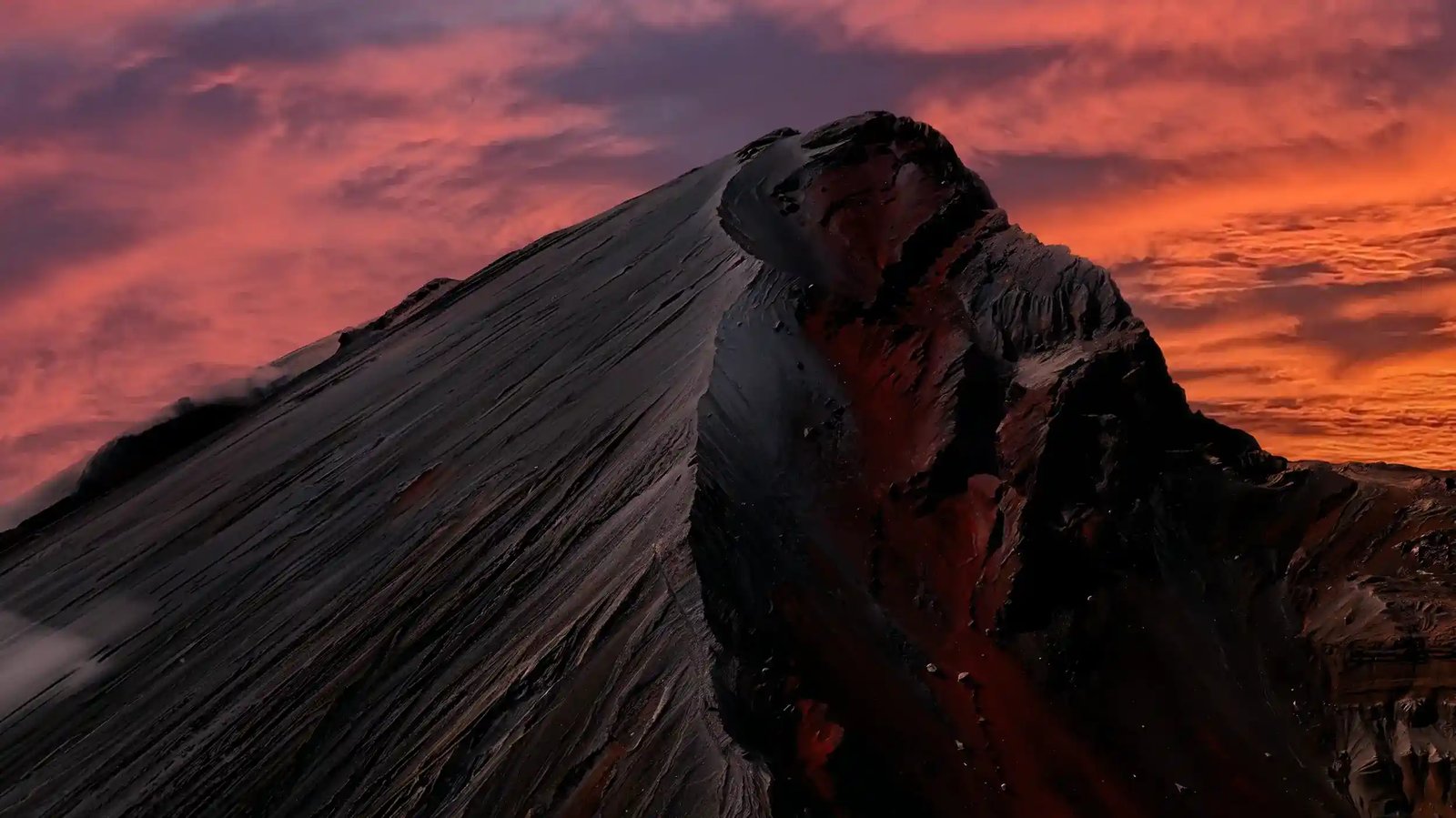
Look, it’s completely normal to ask this. Rinjani is an active volcano at 3,726 meters, so yeah, safety should be on your mind. But here’s the thing. We’ve guided hundreds of trekkers up this mountain at Lombok-Indonesia.org, and our safety record comes down to one thing: experienced guides who actually know what they’re doing. Every trek includes English-speaking guides trained in emergency procedures, route navigation, and reading the weather.
They carry first-aid kits, monitor how everyone’s pacing, and make real-time calls about whether conditions are right for the summit push. The risks on Rinjani aren’t exotic or unpredictable. They’re just the normal stuff that comes with high-altitude trekking. Steep volcanic scree near the summit. Weather that changes fast.
Cold nights. Physical exhaustion. Our guides manage these by setting an appropriate pace, making sure everyone rests enough, and providing proper camping gear like warm tents and air mattresses. If someone gets injured or sick, guides can arrange evacuation down the mountain.
Just know there’s no helicopter rescue up here. Cell service is basically nonexistent above the tree line, which is why having a professional team with you isn’t just nice to have. It’s a genuine safety layer. Honestly, the biggest difference is choosing a direct operator with deep local knowledge instead of some budget agency cutting corners.
We’re based in Senaru, we know these trails intimately, and we’ve handled pretty much every situation that can arise. The mountain is actively monitored for seismic activity. The last eruptions were in 2015 and 2016 from the Barujari cone, and while the volcano is currently quiet, our guides stay informed of any alerts. If you listen to your guides, respect the mountain, and show up with reasonable fitness, Rinjani is challenging but totally manageable.