 +62 859-2375-1379
 reservations@lombok-indonesia.org



 English
 العربية
 简体中文
 繁體中文
 Dansk
 Nederlands
 Français
 Deutsch
 हिन्दी
 Indonesia
 日本語
 한국어
 Melayu
 Polski
 Slovenščina
 Español
 ไทย
 Türkçe
 Українська
 Русский
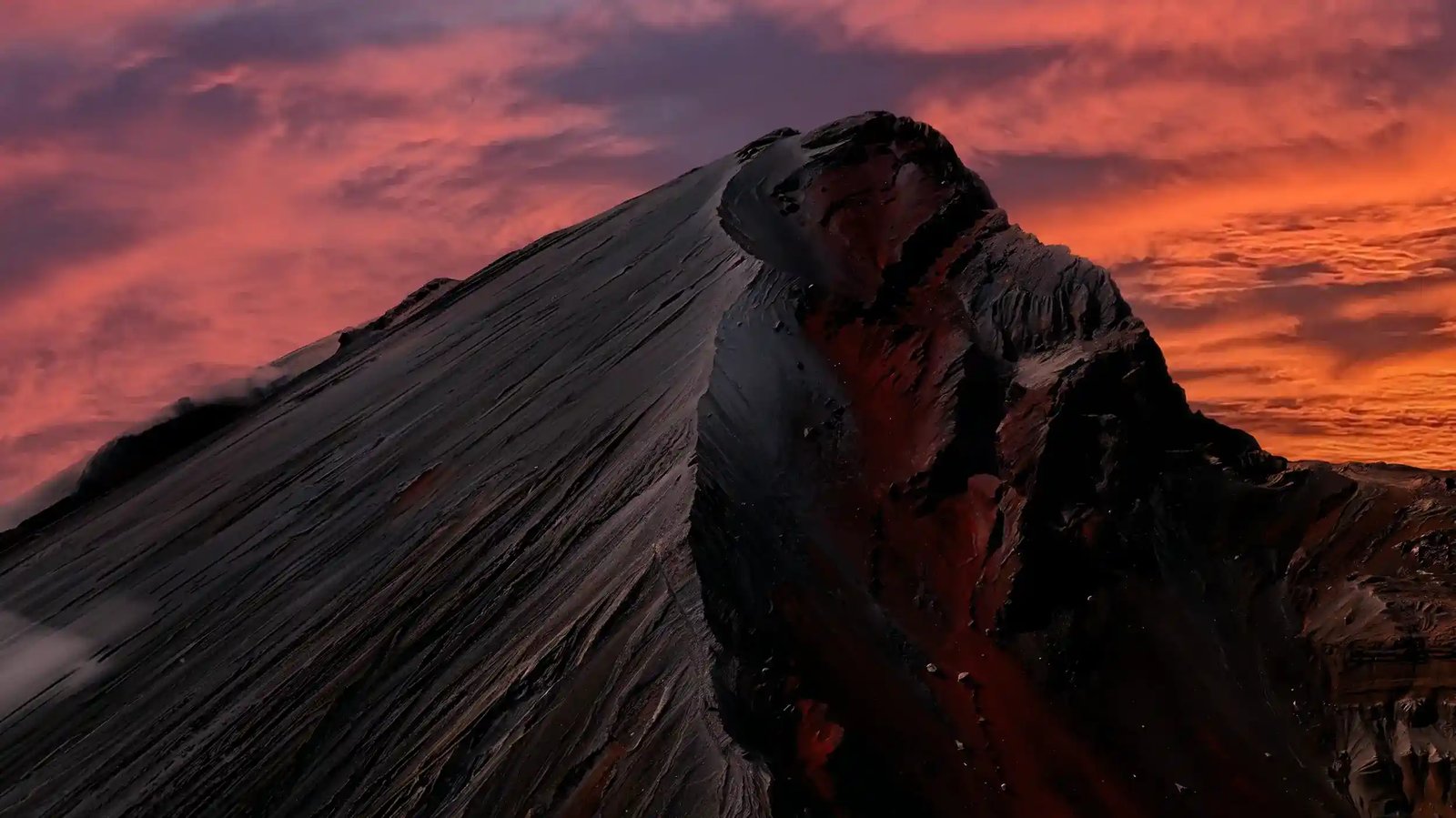
Mount Rinjani has steep sections, but the steepness varies dramatically depending on which part of the trek you’re on. The approach trails from Sembalun and Senaru are mostly moderate gradients on established paths through forest and savannah. They’re challenging but manageable for most trekkers. The real steepness comes on two sections: the final ascent to the crater rim on day one, and the summit push itself in the early morning hours.
The crater rim ascent involves a sustained steep climb through forest that gets your heart rate up and your legs burning. It’s not technically difficult, but it’s unrelenting for about an hour. The summit push is a different beast entirely. You’re on loose volcanic scree with a steep angle that requires you to scramble in places.
For every step forward, you slide back half a step. It feels steeper than it is because the surface is so unstable. Our guides at Lombok-Indonesia.org describe it as ‘two steps up, one step back’ for good reason. The descents are also steep and brutal on knees.
The trail from the crater rim down to the lake, and the long descent back to the villages, both involve sustained downhill walking on uneven terrain. Trekking poles help enormously here, and we’d recommend them for anyone concerned about steepness or joint strain. So is Rinjani steep?
In parts, yes. But it’s not steep in a climbing sense. It’s steep in a ‘your legs will hate you tomorrow’ sense.