 +62 859-2375-1379
 reservations@lombok-indonesia.org



 English
 العربية
 简体中文
 繁體中文
 Dansk
 Nederlands
 Français
 Deutsch
 हिन्दी
 Indonesia
 日本語
 한국어
 Melayu
 Polski
 Slovenščina
 Español
 ไทย
 Türkçe
 Українська
 Русский
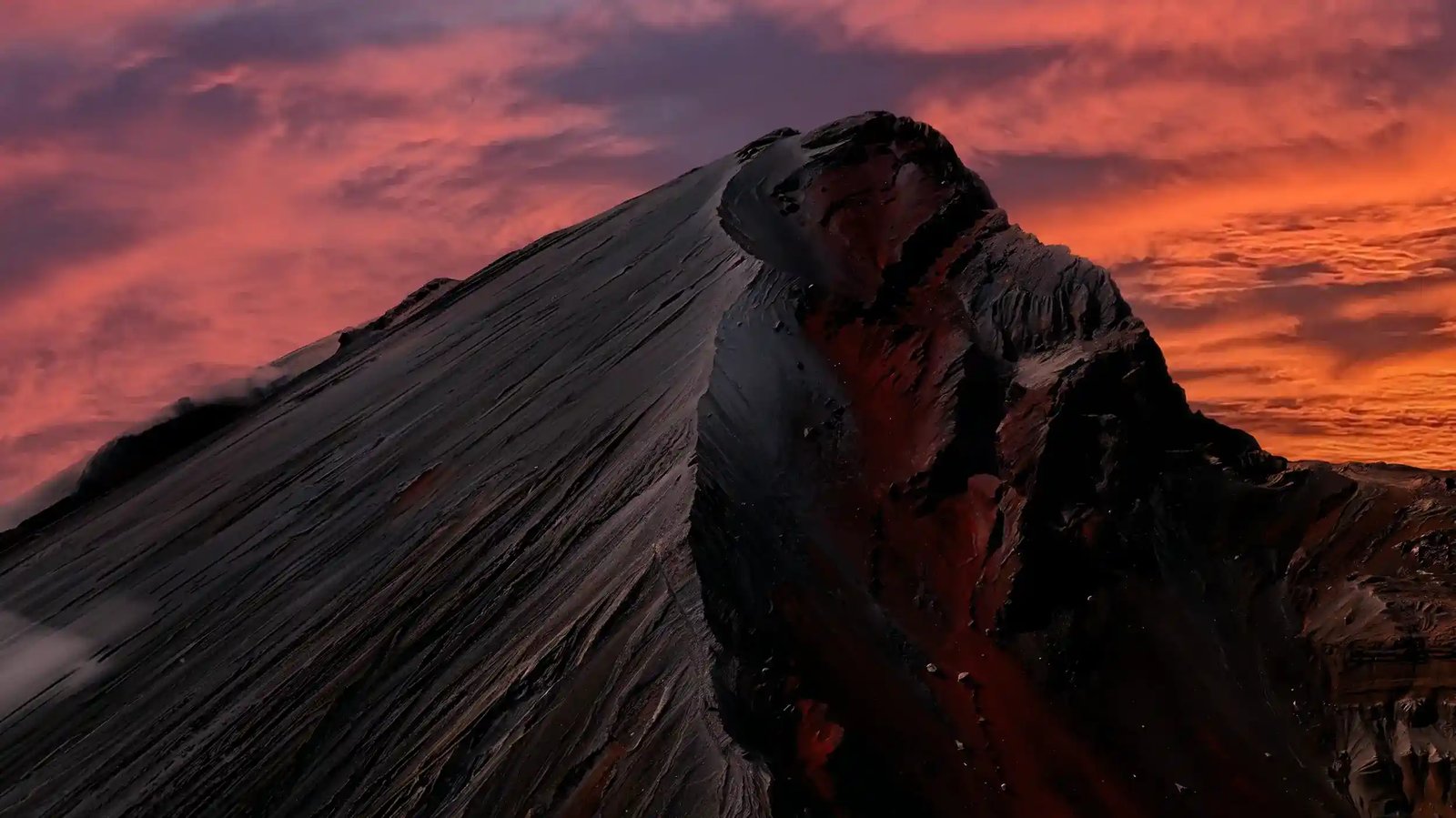
The time required for a rescue on Mt. Rinjani varies dramatically depending on where you are, what the weather is doing, how many people are available to help, and the nature of the injury. As a general guideline, an evacuation from the crater rim to the nearest trailhead can take anywhere from two to six hours under favorable conditions.
If you’re near the summit, the process takes significantly longer because the terrain is steeper, the trail narrower and more exposed, and the team must descend carefully while carrying a stretcher or supporting an injured trekker over loose volcanic scree. Weather plays a major role too. Rain can make the scree dangerously slippery, fog can reduce visibility to near zero, and wind can make exposed ridges unsafe for a group moving slowly with an injured person.
Our guides at Lombok-Indonesia.org carry communication devices to coordinate with base, but because there is no reliable cell service on the mountain, messages may need to be relayed by runners or through satellite devices if available. National park rangers and local rescue volunteers know the trails intimately and respond as quickly as conditions allow.
Understanding that rescue is a slow, labor-intensive, weather-dependent process is another reason to take every precaution seriously. Trust your guide’s judgment about pace and conditions, and maintain travel insurance that covers emergency evacuation and medical repatriation. Rescue is available, but avoiding the need for it is always the better strategy.