 +62 859-2375-1379
 reservations@lombok-indonesia.org



 English
 العربية
 简体中文
 繁體中文
 Dansk
 Nederlands
 Français
 Deutsch
 हिन्दी
 Indonesia
 日本語
 한국어
 Melayu
 Polski
 Slovenščina
 Español
 ไทย
 Türkçe
 Українська
 Русский
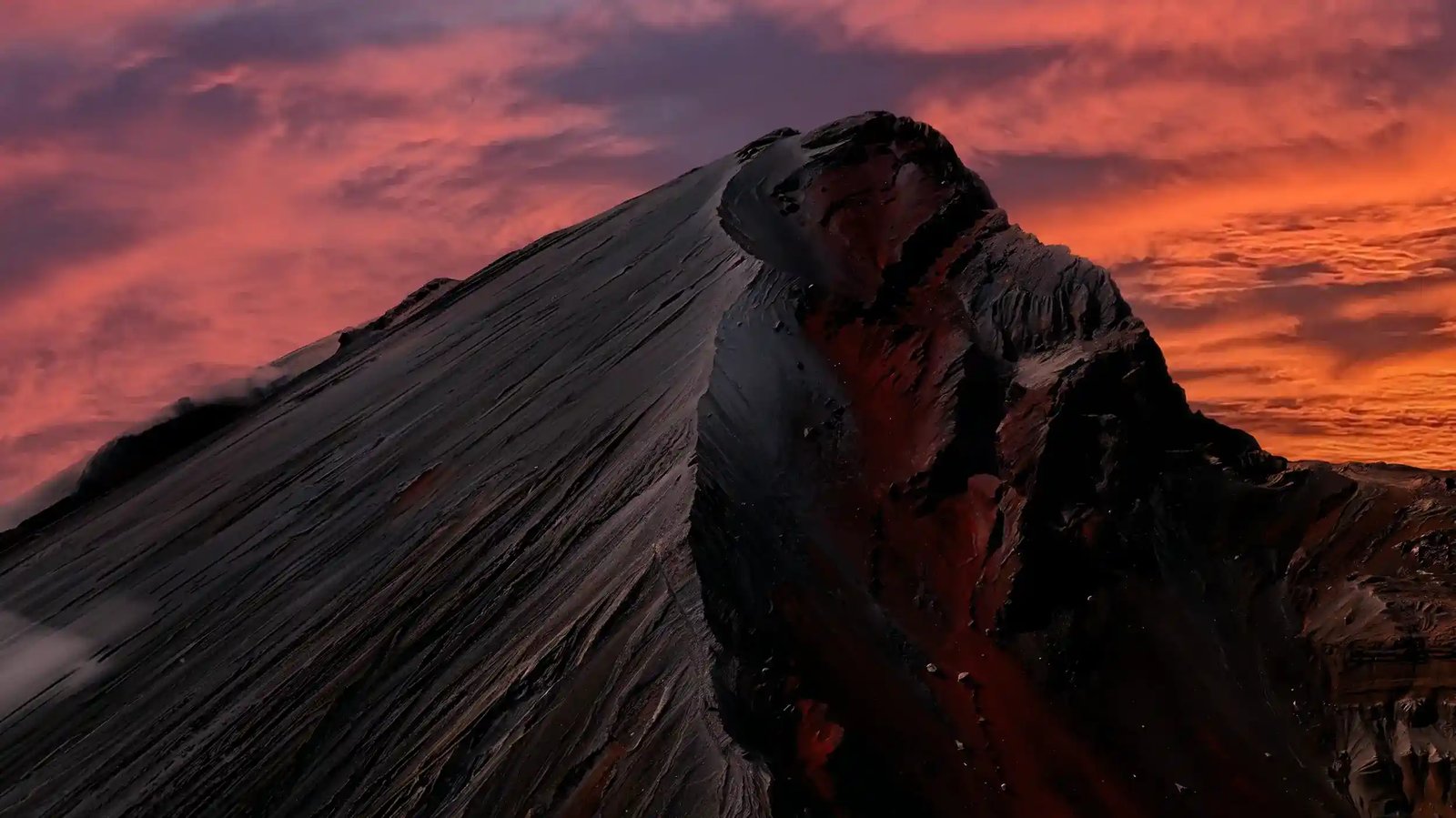
The danger level depends almost entirely on how you approach it. For a reasonably fit trekker with proper gear, an experienced guide, and healthy respect for the mountain, the risks are moderate and well-managed. For someone who shows up unprepared, underestimates the physical demands, or tries the summit in bad footwear, the same mountain becomes genuinely hazardous. At 3,726 meters, Rinjani is Indonesia’s second highest volcano. The combination of altitude, steep volcanic terrain, and extreme temperature swings means small mistakes can snowball fast. The most dangerous part is the summit push, which usually starts around 2:00 to 3:00 AM from the crater rim camp. You’re climbing steep volcanic scree in near-freezing temperatures, often in darkness, knowing that every step forward costs twice the energy of normal hiking because the loose surface keeps giving way.
This two-to-three-hour push demands more than just cardiovascular fitness. It needs mental resilience. Many trekkers who handled the first day fine find this section humbling. Our guides at Lombok-Indonesia.org know this section intimately. They know exactly how to pace clients, when to use trekking poles for stability, and when weather or exhaustion makes continuing unsafe. Real talk, Rinjani is an active volcano with a history of eruptions.
The most recent were in 2015 and 2016 from the Barujari cone inside the crater. While the mountain is currently non-eruptive and seismically monitored, this isn’t a static rock. Our team stays updated on volcanic activity reports, and we’d never lead a trek if conditions were unstable. So is Rinjani dangerous? It’s as dangerous as any major high-altitude trek. The risks are real, but they’re quantifiable, manageable, and dramatically reduced when you travel with a professional team that knows the mountain inside and out.