 +62 859-2375-1379
 reservations@lombok-indonesia.org



 English
 العربية
 简体中文
 繁體中文
 Dansk
 Nederlands
 Français
 Deutsch
 हिन्दी
 Indonesia
 日本語
 한국어
 Melayu
 Polski
 Slovenščina
 Español
 ไทย
 Türkçe
 Українська
 Русский
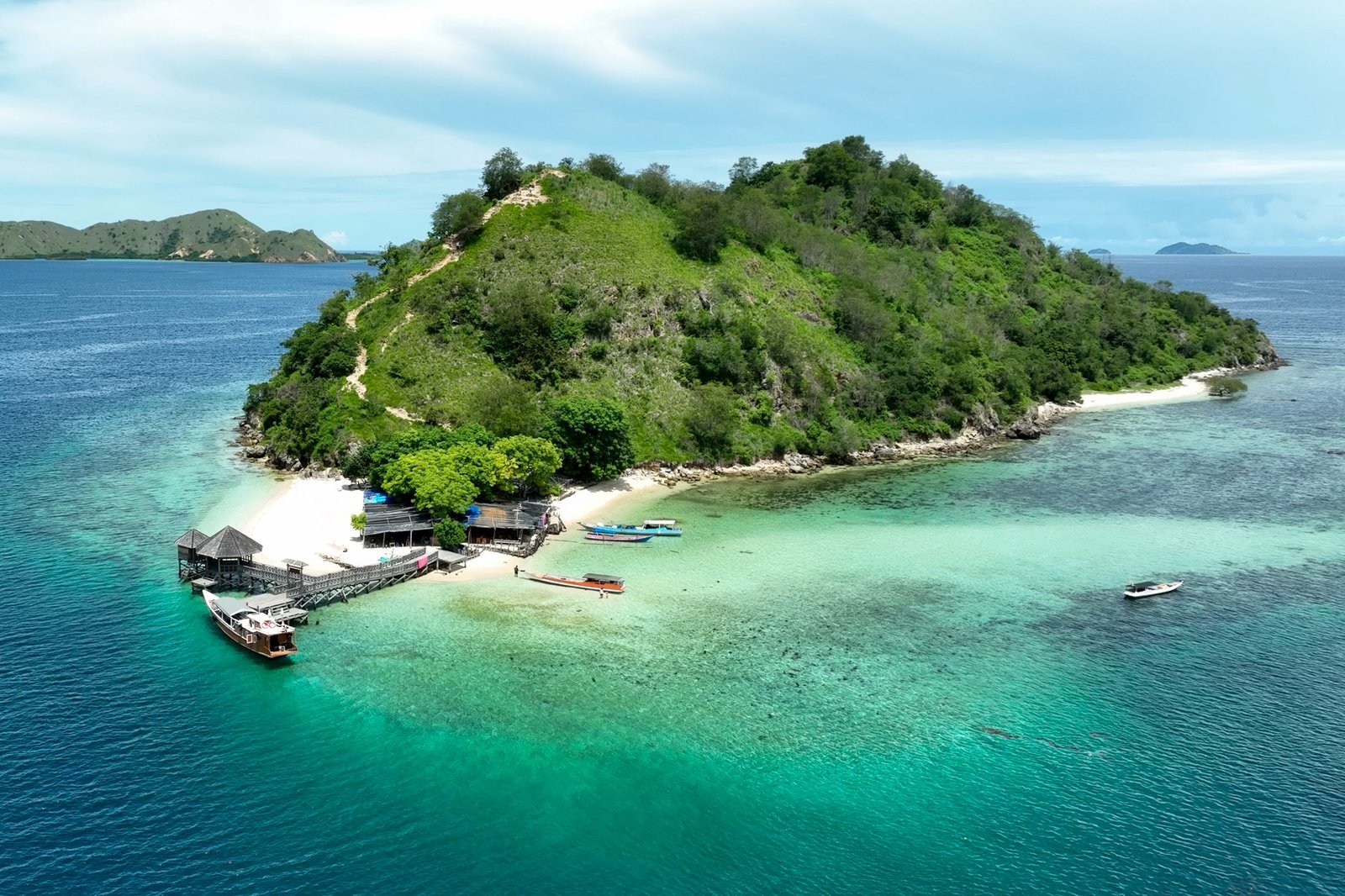
Manta Point is not inherently dangerous, but it is one of the Komodo stops where conditions matter a lot. The site is exposed and known for moving water. Those currents carry plankton, and the plankton attracts manta rays, so the feature that makes the location special is also the reason guides take extra care with swimmers.
On a suitable tide, snorkeling there can be straightforward for reasonably confident swimmers. On a stronger day, the group may drift quickly and the boat will need to follow for pickup. Visibility, wind, boat traffic, and the number of swimmers in the water also affect how comfortable the experience feels. A responsible operator will change the plan if the current is beyond what the group can safely manage.
The manta rays themselves are not the danger. They are large but generally calm animals that pass close to swimmers without showing aggression. The important rules are to stay with the guide, avoid diving down onto the mantas, use flotation if advised, and pay attention to where the boat is. Treat Manta Point as a current-sensitive open-water site rather than a beach swim and it becomes much easier to understand the safety decisions your crew makes.