 +62 859-2375-1379
 reservations@lombok-indonesia.org



 English
 العربية
 简体中文
 繁體中文
 Dansk
 Nederlands
 Français
 Deutsch
 हिन्दी
 Indonesia
 日本語
 한국어
 Melayu
 Polski
 Slovenščina
 Español
 ไทย
 Türkçe
 Українська
 Русский
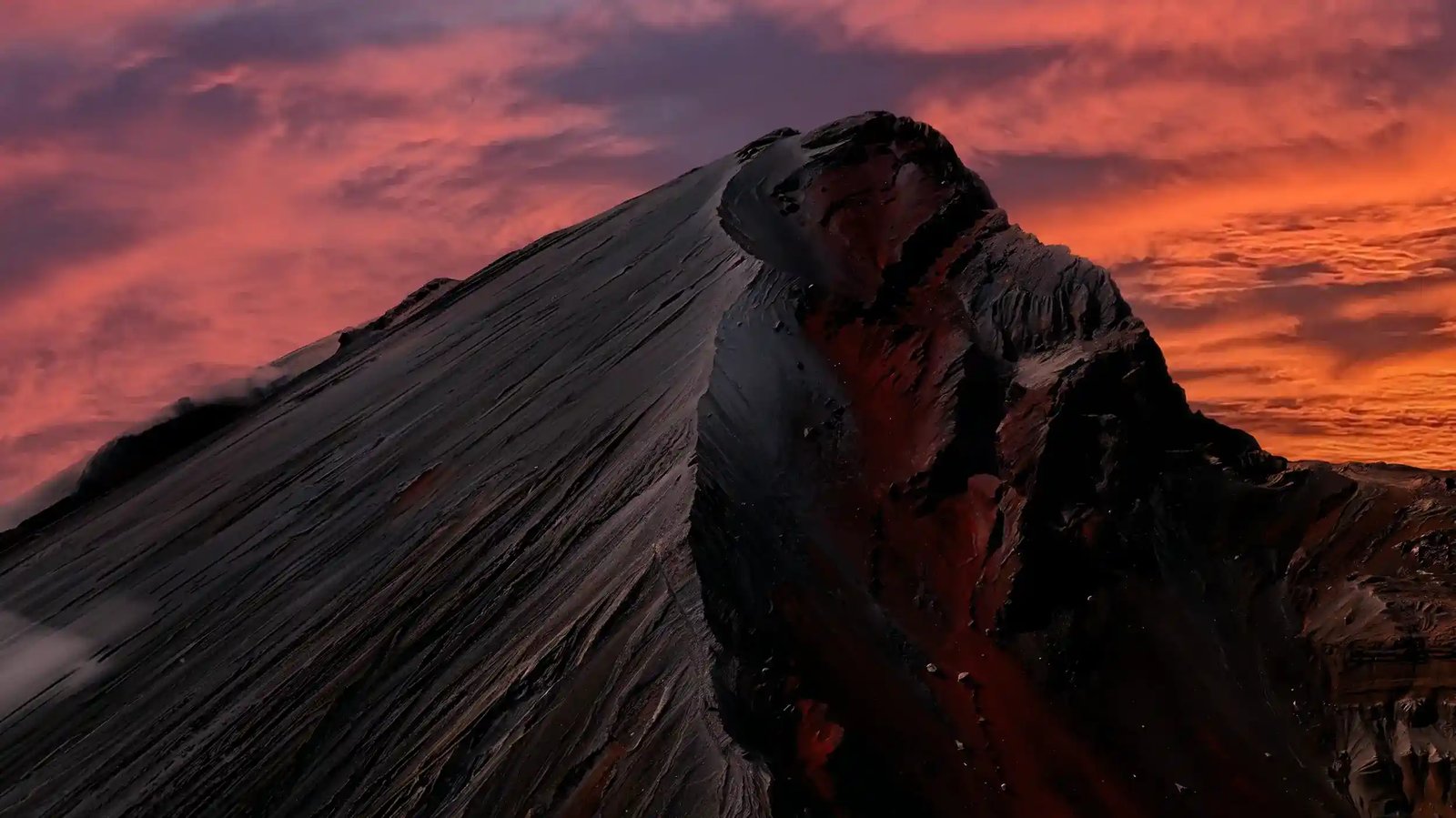
Yes, absolutely. Rain can happen even in the dry season because tropical mountain weather is unpredictable. Localized storms develop quickly over the volcanic peaks while the coast just a few kilometers away stays sunny and dry.
The dry season from April to November is statistically much drier, but afternoon showers are still possible. The summit ridge can get shrouded in mist or light rain that appears with little warning and dissipates just as fast. During the rainy season, roughly December through March when the park is officially closed, rain is frequent and heavy enough to make trails dangerously slippery, reduce visibility to near zero, and increase flash flood risk in narrow valleys. That’s exactly why trekking isn’t permitted during those months.
If you hit rain during a permitted dry-season trek, our guides are prepared with waterproof covers for packs and cooking areas. They’ll adjust the pace for slick volcanic rock and mud on forest trails. Our team at Lombok-Indonesia.org always includes a lightweight rain cover on the packing list, and we recommend keeping electronics in waterproof bags.
Honestly, light rain at the crater rim can create beautiful atmospheric conditions for photos, with clouds parting to reveal the lake below. Heavy rain on the summit ridge is when our guide makes the tough but correct call to turn the group back.