 +62 859-2375-1379
 reservations@lombok-indonesia.org



 English
 العربية
 简体中文
 繁體中文
 Dansk
 Nederlands
 Français
 Deutsch
 हिन्दी
 Indonesia
 日本語
 한국어
 Melayu
 Polski
 Slovenščina
 Español
 ไทย
 Türkçe
 Українська
 Русский
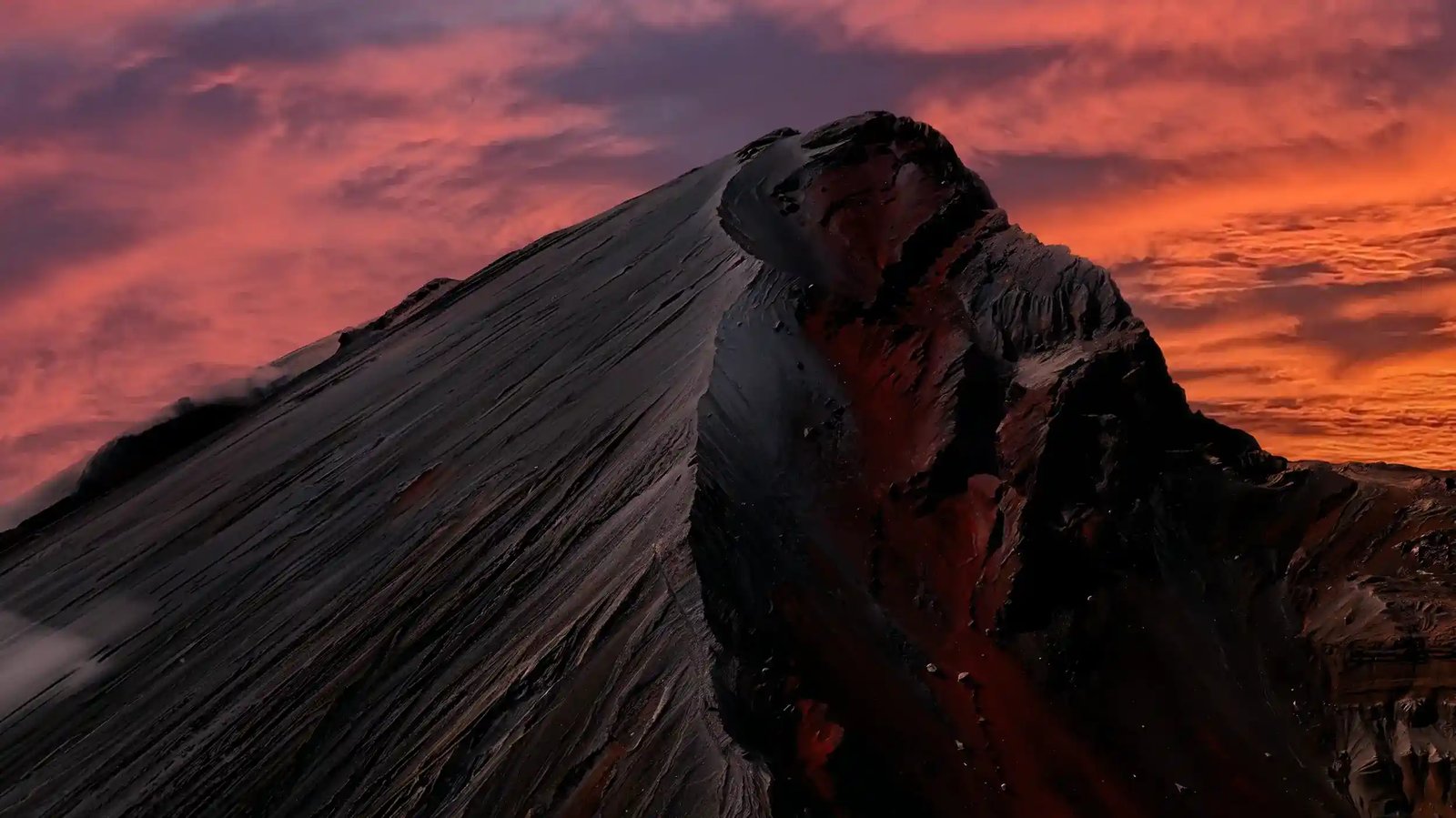
Yes, lightning can strike on Mt. Rinjani because it’s a high, exposed volcanic peak in a tropical climate where thunderstorms develop rapidly and with little warning, particularly in the afternoon during the wetter months or transitional seasons when atmospheric instability is greatest.
The summit ridge and crater rim are especially dangerous during electrical storms because there’s virtually nowhere to shelter. You become the tallest point in a vast open landscape, making you a natural conductor. Our guides at Lombok-Indonesia.org monitor weather patterns closely and will cancel or delay a summit push if there’s any indication of an approaching storm. No sunrise view is worth that risk.
If you’re caught in a storm at camp, the standard protocol is staying inside tents, avoiding metal objects like trekking poles, and waiting for it to pass. Though tents offer limited protection and the safest option is always avoiding exposed ridges during storm-prone hours.
Most lightning risk is manageable through timing and awareness. Storms typically build in the afternoon, which is why summit pushes begin at 2:00 AM and aim to descend before midday when electrical activity increases. Trekking during the dry season significantly reduces your chances of encountering electrical storms, but the possibility never drops to zero on any tropical mountain. Experienced guides who know when to turn back are absolutely essential for safe mountain travel.