+62 859-2375-1379
 reservations@lombok-indonesia.org



 Indonesia
 العربية
 简体中文
 繁體中文
 Dansk
 Nederlands
 Français
 Deutsch
 हिन्दी
 English
 日本語
 한국어
 Melayu
 Polski
 Slovenščina
 Español
 ไทย
 Türkçe
 Українська
 Русский
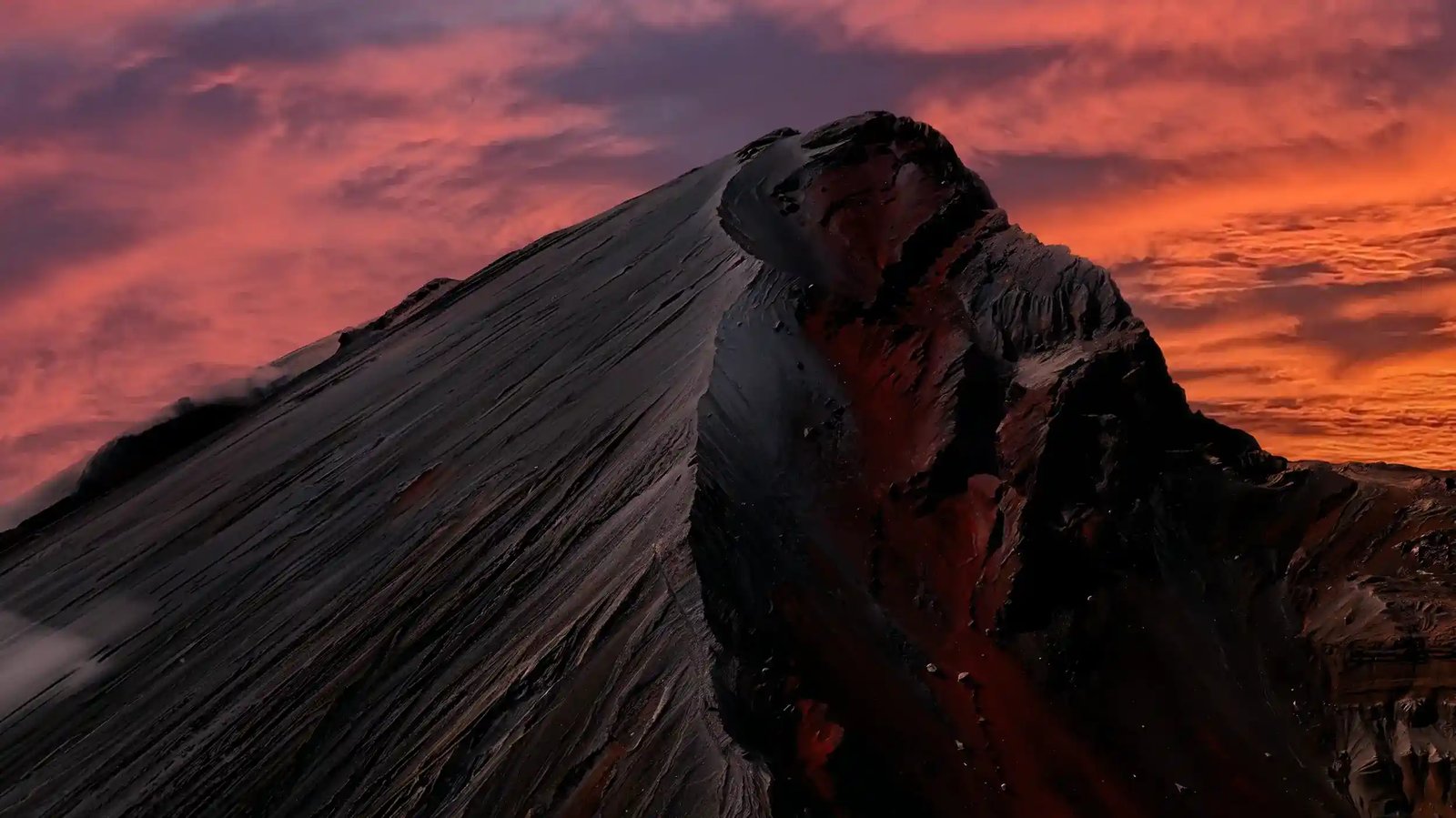
[Note: an automatic translation tool failed when this page was last translated on the old site, leaving an error message as the page text. Shown here in English until a proper translation is in place.] Rinjani is not considered safe during pregnancy, and medical professionals almost universally advise against high-altitude trekking while expecting due to the combination of physiological stress and remote location risks. This isn’t being overly cautious. It’s basic medical common sense. At 3,726 meters, oxygen levels are roughly sixty percent of what you’d breathe at sea level. Your cardiovascular system already works harder during pregnancy to support both you and the developing baby, and altitude makes it work even harder to deliver the same oxygen supply. The steep volcanic scree, unstable footing, and cold nighttime temperatures add physical stress that can trigger complications ranging from increased blood pressure to preterm labor in susceptible individuals. There’s also the emergency access problem that makes pregnancy on Rinjani particularly risky. If something goes wrong, evacuation means descending steep volcanic terrain on foot, then overland transport to reach hospital facilities. That takes hours under the best circumstances. No helicopter rescue means no shortcut if you develop serious symptoms that require immediate medical attention. For all these reasons, Lombok-Indonesia.org explicitly does not recommend Rinjani for pregnant travelers at any stage of pregnancy. The mountain will still be here after your pregnancy. Enjoy it then, when you can climb safely and fully without the additional risks that pregnancy introduces to an already demanding expedition.