 +62 859-2375-1379
 reservations@lombok-indonesia.org



 English
 العربية
 简体中文
 繁體中文
 Dansk
 Nederlands
 Français
 Deutsch
 हिन्दी
 Indonesia
 日本語
 한국어
 Melayu
 Polski
 Slovenščina
 Español
 ไทย
 Türkçe
 Українська
 Русский
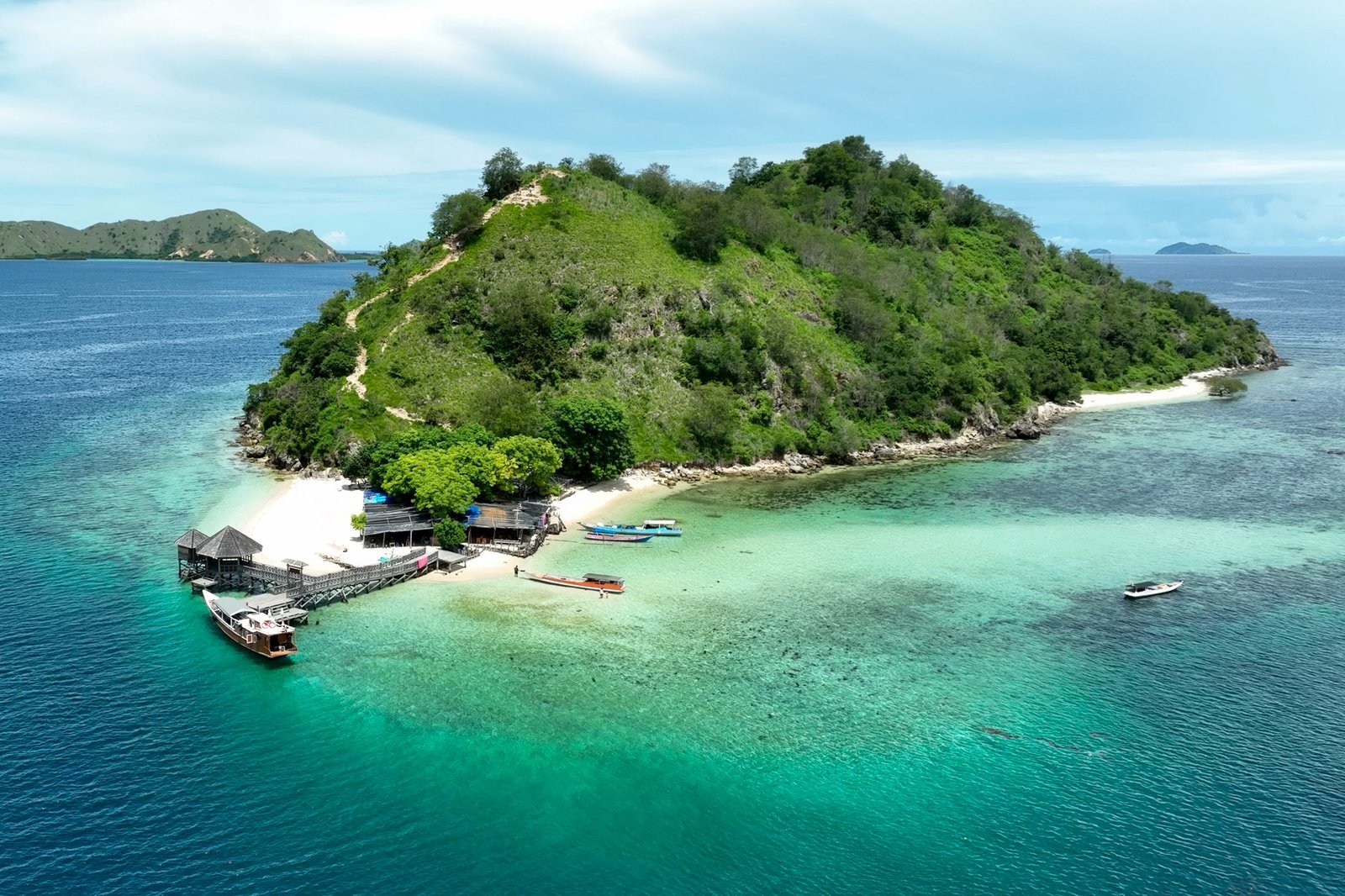
Komodo can still be visited safely during the rainy season, but the trip is less predictable than it is from May through October. The wetter period generally runs from November into April, with the heaviest rain often falling around January and February. Rain itself is rarely the main problem. The bigger issue is what comes with it: stronger winds, reduced visibility, rougher water, and occasional itinerary changes.
A responsible captain will adjust the day around the actual conditions rather than trying to force the original schedule. That may mean leaving later, skipping an exposed snorkeling site, spending more time in protected bays, or changing the order of islands. On multi-day trips, crews have more flexibility because they can wait out a squall or sleep in a sheltered anchorage. Fast day boats have less room to improvise, so cancellations are more likely when the forecast turns bad.
If you travel in rainy season, build some flexibility into your schedule and avoid booking a flight immediately after your boat returns. Bring a proper dry bag, light rain protection, and seasickness medication if you are prone to motion sickness. The park is beautiful in the wetter months and often noticeably quieter, but the safest approach is to accept that the sea, not the itinerary printed on the brochure, gets the final say.