 +62 859-2375-1379
 reservations@lombok-indonesia.org



 English
 العربية
 简体中文
 繁體中文
 Dansk
 Nederlands
 Français
 Deutsch
 हिन्दी
 Indonesia
 日本語
 한국어
 Melayu
 Polski
 Slovenščina
 Español
 ไทย
 Türkçe
 Українська
 Русский
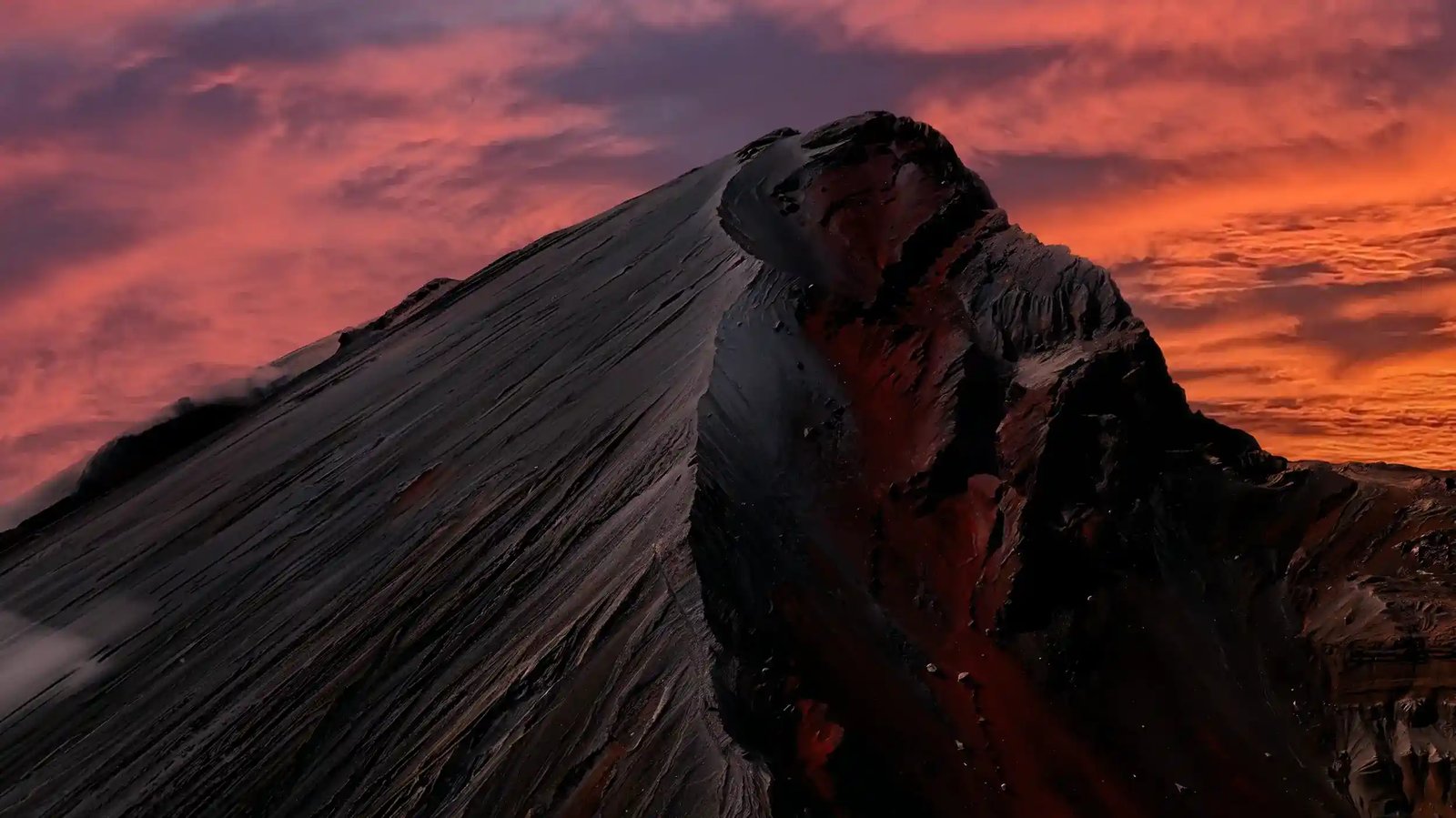
Yes, Rinjani is much harder than Batur, and the gap is wider than the elevation numbers alone suggest. Batur is a short sunrise outing at about 1,717 meters, commonly climbed in around 2 hours uphill. Rinjani stands at 3,726 meters, and a measured three-day Sembalun-to-Senaru summit traverse covers about 33.74 kilometers with roughly 4,200 meters of cumulative ascent, according to one operator’s GPS records of the actual routes.
The difference is in what each climb tests. Batur tests whether you are willing to wake in the dark and walk uphill before breakfast, and that is a genuinely useful check, but it ends there. Rinjani tests sustained climbing, overnight recovery at a cold rim camp, a predawn summit push of roughly 4 hours from about 2,639 meters, and then long descents on tired legs. Even the two-day summit itinerary measures about 25.79 kilometers with roughly 3,144 meters of cumulative ascent in the same GPS dataset, which is a different category of effort from a morning on Batur.
Cumulative ascent deserves a moment, because it explains why the comparison is not just about summit height. Rinjani’s routes rise and fall repeatedly: up to the rim, up to the summit, down to the lake at about 2,010 meters, then up and out again. You earn the mountain more than once on several days, and the second morning begins on legs that already climbed a volcano yesterday. No part of Batur prepares you for that feeling.
Use Batur honestly in your preparation. If Batur felt easy, that is a good sign for your uphill engine, but before booking a Rinjani summit package, test two long walking days back to back, including deliberate downhill practice, because consecutive-day recovery is what Batur cannot measure. A middle option exists: the two-day Senaru crater rim trek, about 19.62 kilometers round trip, delivers the caldera and the camping experience without the summit push, and it is a sensible step for trekkers who found Batur manageable but want proof of their multi-day legs.