 +62 859-2375-1379
 reservations@lombok-indonesia.org



 English
 العربية
 简体中文
 繁體中文
 Dansk
 Nederlands
 Français
 Deutsch
 हिन्दी
 Indonesia
 日本語
 한국어
 Melayu
 Polski
 Slovenščina
 Español
 ไทย
 Türkçe
 Українська
 Русский
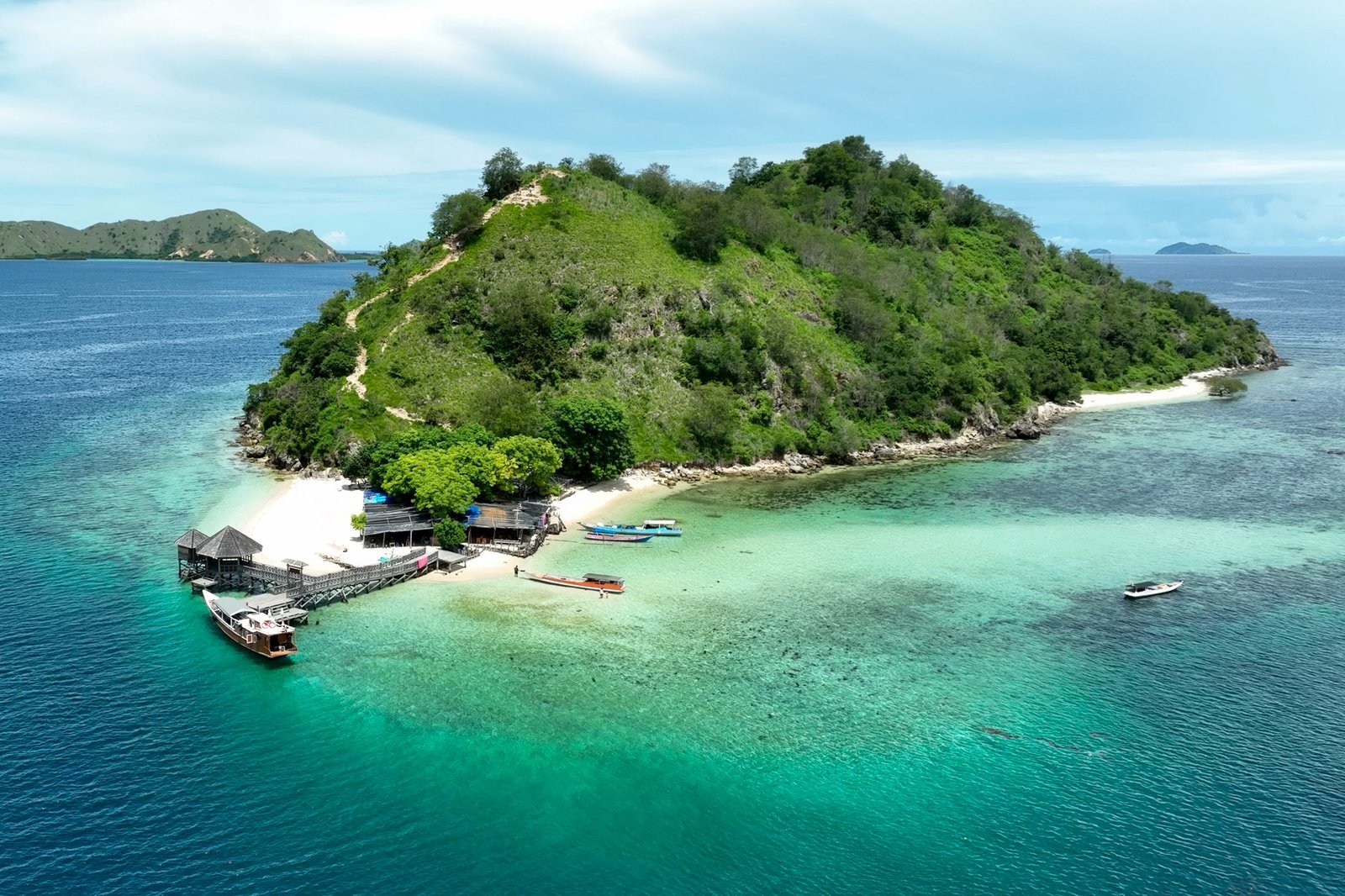
During bad weather in Komodo, captains and crew shift into safety-first mode and adjust plans accordingly. The first step is usually gathering information-checking marine forecasts, monitoring radar if equipped, and observing local conditions. Depending on what is developing, the response can range from minor itinerary tweaks to full cancellations. A captain might skip an exposed snorkeling site in favor of a sheltered bay, delay departure by a few hours to let a squall pass, reroute the boat to calmer waters, or return to Labuan Bajo if conditions deteriorate seriously.
On overnight cruises, bad weather means securing the vessel: battening hatches, stowing loose deck gear, checking anchor hold, and positioning in the most protected anchorage available. Crew members maintain watch rotations to monitor the boat’s status and surroundings. Passengers are typically asked to stay seated or in cabins, keep belongings secured, and follow crew instructions. Life jackets should be readily accessible even if not required to be worn at all times.
Communication is key. Reputable boats carry marine radios and often satellite phones, allowing captains to coordinate with other vessels and their base on the mainland. If a tour is canceled before departure, established operators generally offer rescheduling or refunds according to their policy. During the wet season from November through April, bad weather disruptions are more common, so travelers should build flexibility into their schedules. Before booking, ask your operator for their specific bad-weather protocol. At lombok-indonesia.org, we communicate weather-related changes directly to guests as soon as conditions become clear, because no itinerary is worth risking safety over.