 +62 859-2375-1379
 reservations@lombok-indonesia.org



 English
 العربية
 简体中文
 繁體中文
 Dansk
 Nederlands
 Français
 Deutsch
 हिन्दी
 Indonesia
 日本語
 한국어
 Melayu
 Polski
 Slovenščina
 Español
 ไทย
 Türkçe
 Українська
 Русский
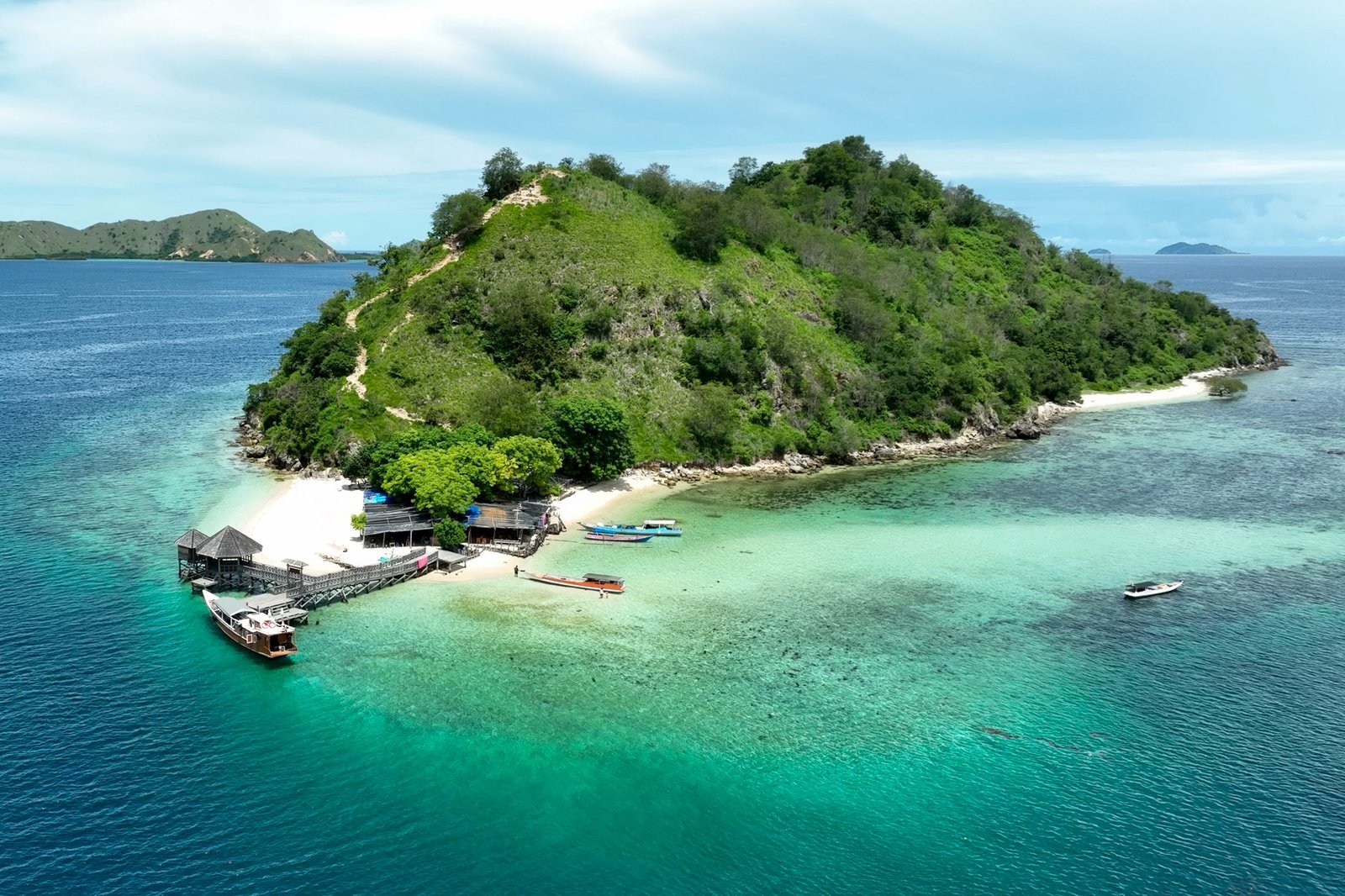
If the weather turns bad during a Komodo tour, experienced captains adjust the plan to maintain safety. The Flores Sea is known for rapid weather changes, and captains monitor conditions continuously through marine forecasts, radar where available, and direct observation. Depending on the severity, the response can range from skipping an exposed snorkeling site and substituting a calmer bay, to delaying a departure, altering the route to sheltered waters, or-if necessary-returning early to Labuan Bajo.
Reputable boats carry communication radios and some have satellite phones, allowing captains to coordinate with other vessels, harbor authorities, and their base in Labuan Bajo. The decision-making priority is always passenger safety over itinerary completion. During the wet season from November through April, rough seas are more common, and cancellations or significant route changes happen more frequently. If you are on an overnight cruise and weather deteriorates, the crew will typically seek the most protected anchorage available, secure the vessel, and wait out the worst conditions. There are no safe harbors within the national park itself comparable to Labuan Bajo, so the boat’s seakeeping ability and the captain’s judgment become critical. Before booking, ask your operator how they handle weather contingencies-professional crews will have clear, unhesitating answers.