 +62 859-2375-1379
 reservations@lombok-indonesia.org



 English
 العربية
 简体中文
 繁體中文
 Dansk
 Nederlands
 Français
 Deutsch
 हिन्दी
 Indonesia
 日本語
 한국어
 Melayu
 Polski
 Slovenščina
 Español
 ไทย
 Türkçe
 Українська
 Русский
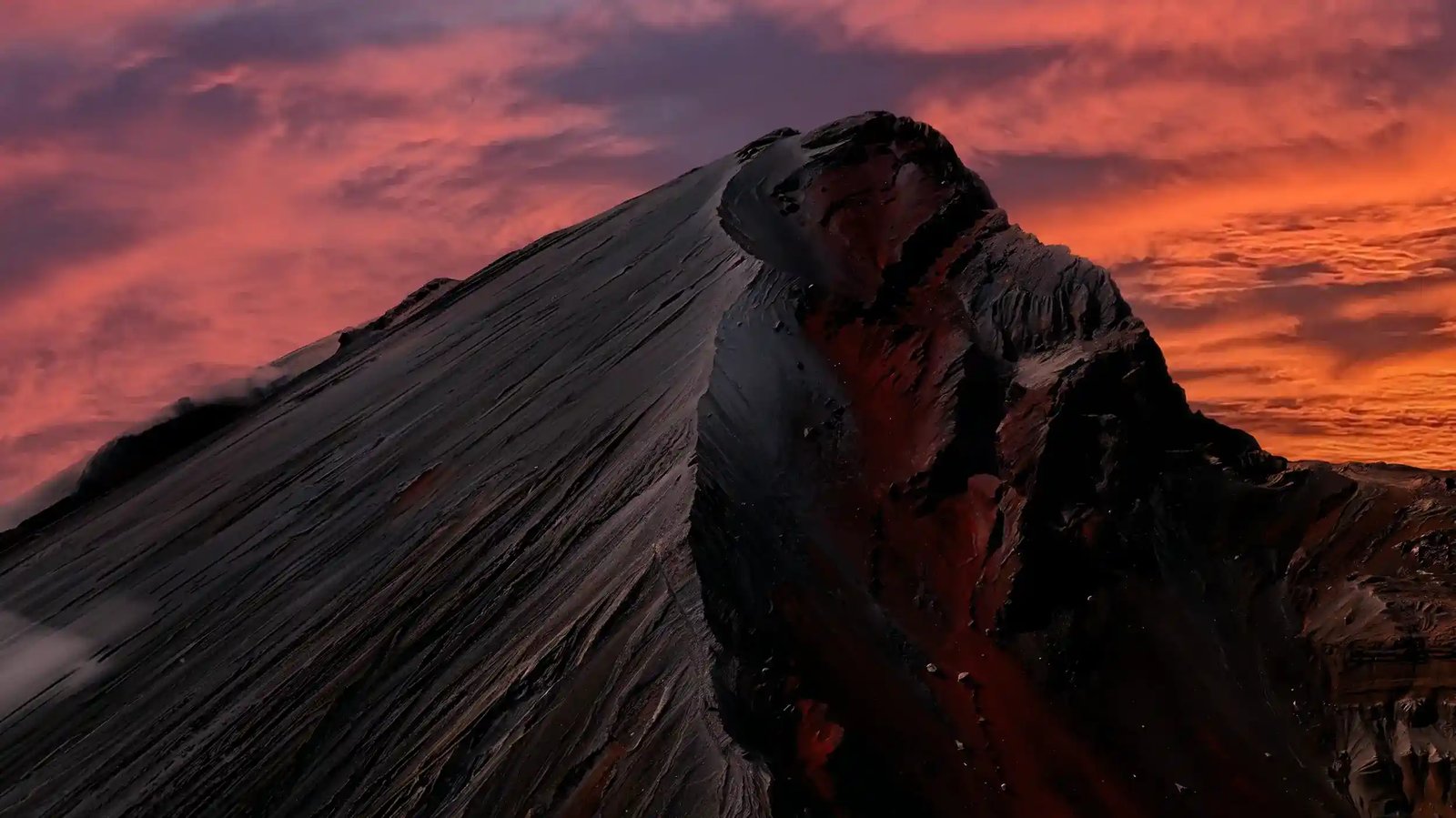
Slipping on volcanic gravel is one of the most common hazards on Rinjani, and it happens to nearly every trekker at some point during the ascent or descent. The upper trails are blanketed in thick loose volcanic scree, ash, and gravel-sized fragments that act like ball bearings underfoot, especially on steeper sections where gravity works against you. It’s part of the challenge.
During the summit push in the dark, when headlamps create shifting shadows and fatigue dulls your reflexes, the risk increases significantly. Most slips result in a scraped knee, bruised hip, or minor fall forward onto your hands. But in rare cases, a bad slip on a narrow ridge or near a drop-off can be more serious. The darkness makes everything harder to judge.
At Lombok-Indonesia.org, guides emphasize proper footwear and trekking poles as the two most effective defenses against slipping. Hiking boots with aggressive tread bite into the loose material far better than running shoes, and poles provide four points of contact that help you arrest a slide before it becomes a fall.
The guides also set a sustainable pace so fatigue doesn’t compromise your balance, and they position themselves at tricky sections to assist trekkers who need a steadying hand. Paying attention to where you place your feet, rather than looking around at the view while walking, is a simple habit that prevents most slips before they happen. Stay focused, especially when you’re tired.