 +62 859-2375-1379
 reservations@lombok-indonesia.org



 English
 العربية
 简体中文
 繁體中文
 Dansk
 Nederlands
 Français
 Deutsch
 हिन्दी
 Indonesia
 日本語
 한국어
 Melayu
 Polski
 Slovenščina
 Español
 ไทย
 Türkçe
 Українська
 Русский
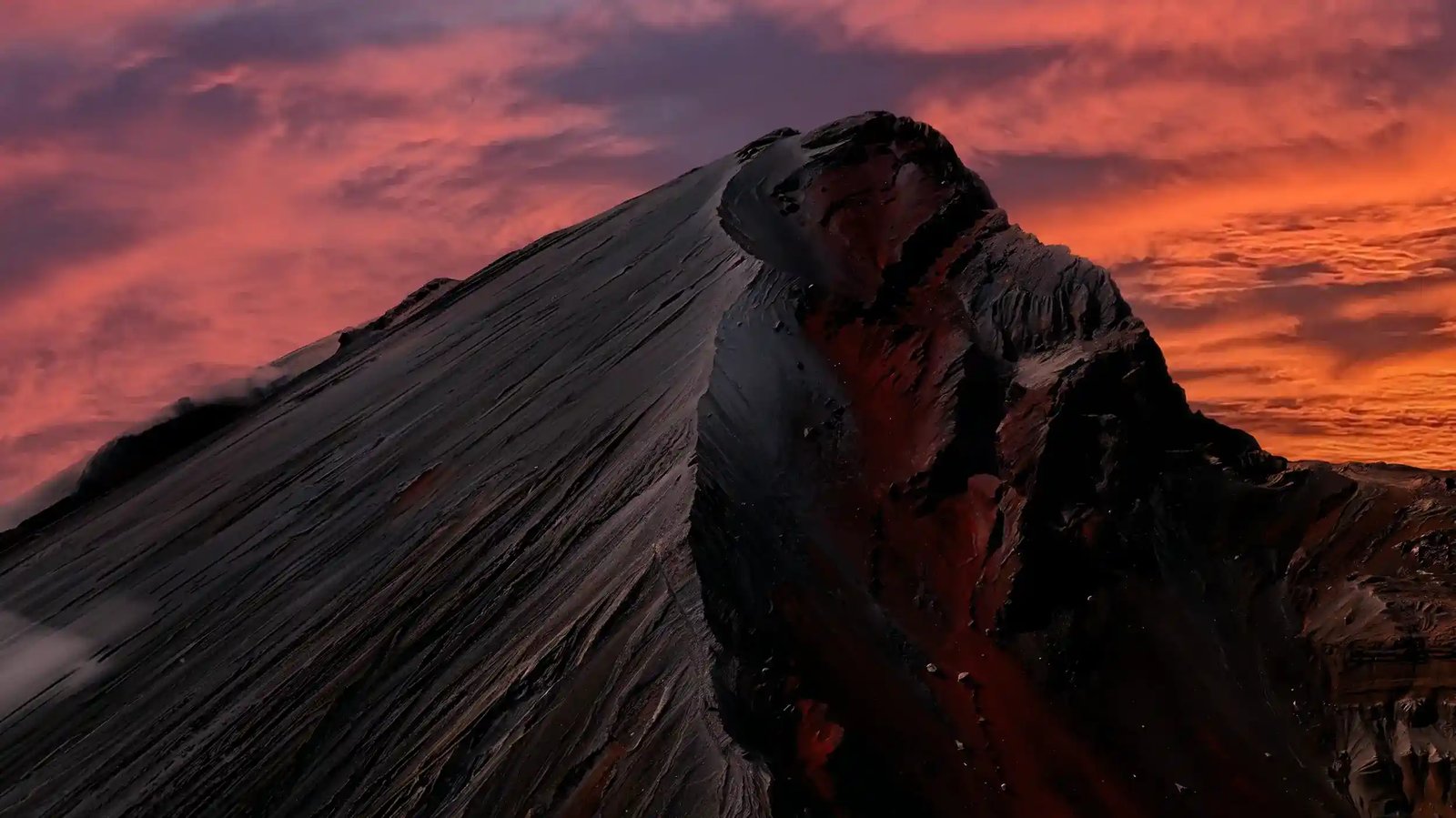
Wearing running shoes on Rinjani is not recommended, and while it’s technically possible, it significantly increases your risk of injury and discomfort. Running shoes are designed for flat, predictable surfaces like roads and groomed trails, where cushioning and lightness are the priorities. Rinjani is a volcano, not a jogging path.
The mountain demands lateral ankle stability, rigid toe protection, and deep tread grip on loose volcanic scree and sharp rocks. The soft foam soles compress unevenly on rocky terrain, offering poor balance, and the low-cut design leaves your ankles exposed to rolls and twists. During the summit push, where every step slides backward in loose gravel, the lack of traction becomes genuinely dangerous.
At Lombok-Indonesia.org, guides have seen too many trekkers struggle in inappropriate footwear, and they’ll strongly encourage you to wear hiking boots if you have them. They’ve watched people suffer through the descent because they ignored this advice.
If running shoes are your only option, make sure they have thick soles and decent tread, but understand that you’re accepting unnecessary risk. Blisters form more easily, your feet tire faster, and the descent becomes a knee-punishing ordeal without the support of proper boots. Do yourself a favor and get proper boots if you can. Your future self will thank you when you’re not limping through the last kilometers.