 +62 859-2375-1379
 reservations@lombok-indonesia.org



 English
 العربية
 简体中文
 繁體中文
 Dansk
 Nederlands
 Français
 Deutsch
 हिन्दी
 Indonesia
 日本語
 한국어
 Melayu
 Polski
 Slovenščina
 Español
 ไทย
 Türkçe
 Українська
 Русский
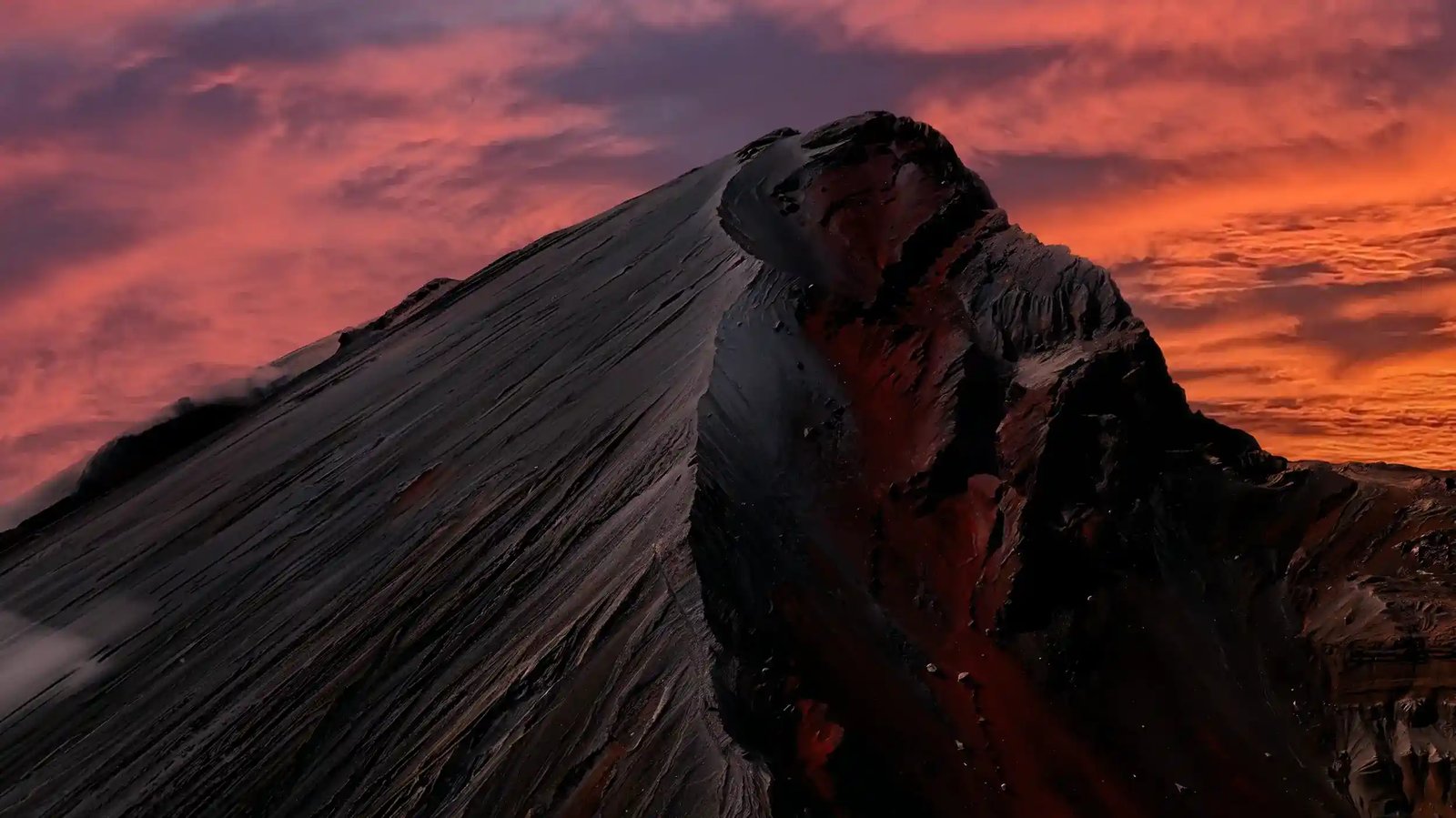
Trekking poles aren’t strictly mandatory for Rinjani, but they’re strongly recommended and many trekkers consider them essential once they understand the terrain. The trails aren’t smooth or predictable. They’re steep, rocky, and covered in loose volcanic scree that shifts with every step, creating significant strain on your knees, ankles, and lower back. It’s harder on your body than it looks.
Over the course of a multi-day trek, that strain compounds. By the second or third day of descending, trekkers without poles often find their knees aching and their legs unstable. Poles help distribute your body weight across four points of contact instead of two, which improves balance on narrow sections and reduces joint impact by an estimated twenty percent or more. That’s a big difference over hours of hiking.
During the summit push, when fatigue and darkness combine with unstable ground, poles act as extra anchors and can prevent a dangerous slip. At Lombok-Indonesia.org, the team advises all trekkers to consider poles, especially those with prior knee injuries, heavier body weights, or just a desire to reduce post-trek soreness.
If you don’t want to bring your own, check in advance whether poles can be rented locally in Senaru, though availability isn’t guaranteed. A decent pair of adjustable trekking poles is a small addition to your luggage that delivers enormous value on the mountain. Think of them as insurance for your knees.