 +62 859-2375-1379
 reservations@lombok-indonesia.org



 English
 العربية
 简体中文
 繁體中文
 Dansk
 Nederlands
 Français
 Deutsch
 हिन्दी
 Indonesia
 日本語
 한국어
 Melayu
 Polski
 Slovenščina
 Español
 ไทย
 Türkçe
 Українська
 Русский
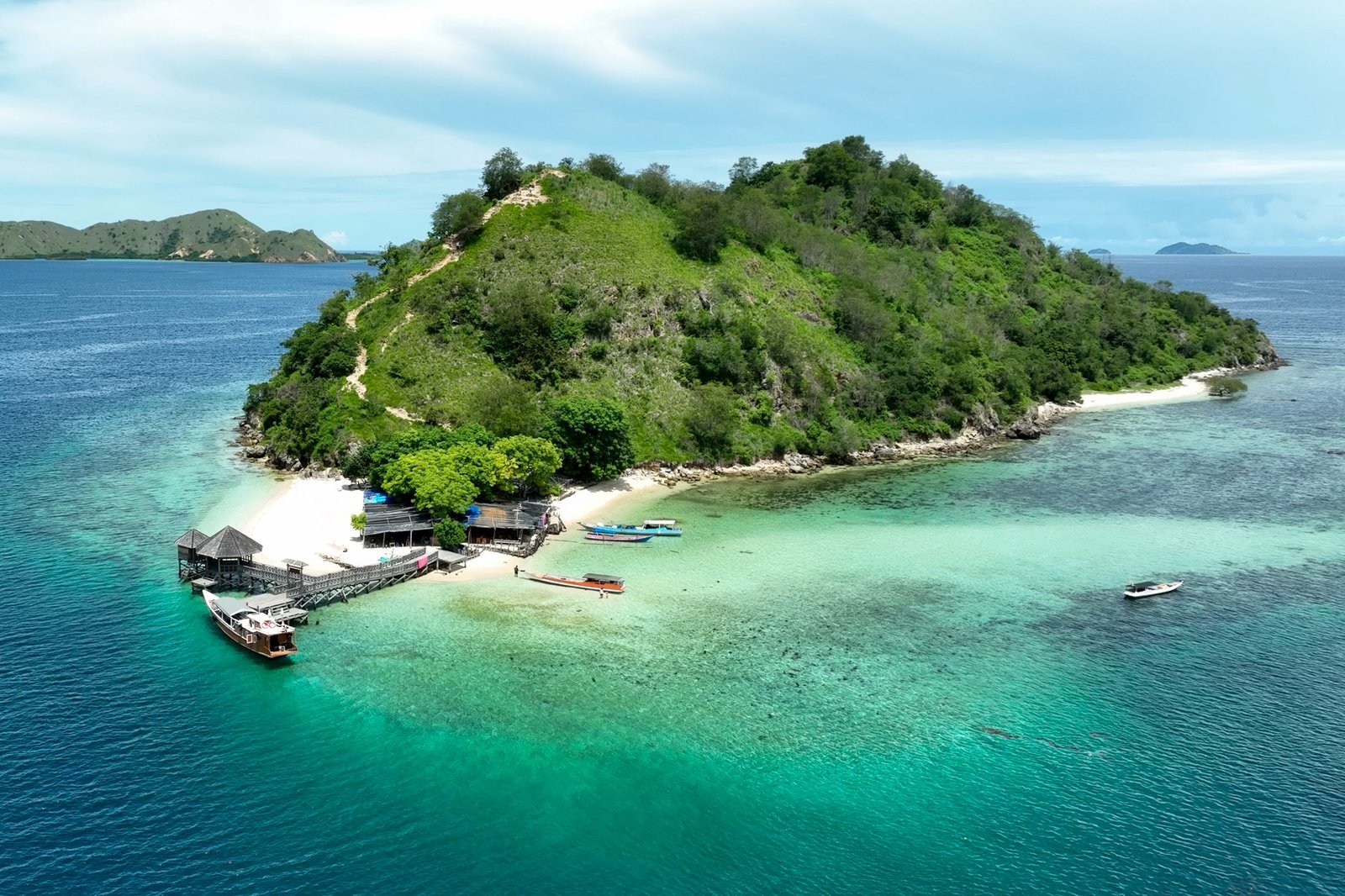
Swimming in Komodo is safe at many of the regular tour stops, but it is not a place where you should jump into the water simply because it looks calm. The park is famous for strong tidal movement, and some channels can develop surprisingly powerful currents. Good guides choose swimming locations according to the tide and conditions that day, not just according to a fixed list of attractions.
Protected beaches and shallow reef areas are generally the easiest places for casual swimmers. Pink Beach and sheltered sections around islands such as Kanawa are usually much more forgiving than exposed drift-snorkeling sites. Manta Point is a different situation entirely: the current there can be part of the experience, and swimmers need to listen closely to the guide about where to enter, where the boat will collect them, and whether conditions are suitable.
Before getting in, ask what the current is doing and where you are expected to exit. Wear a life jacket or flotation vest if you are not completely comfortable in open water. It is also smart to stay reasonably close to the group rather than chasing a turtle or manta away from everyone else. Komodo’s water is one of the highlights of the trip, but treating each stop as a different environment is much safer than assuming every beautiful bay is an easy swimming pool.