 +62 859-2375-1379
 reservations@lombok-indonesia.org



 English
 العربية
 简体中文
 繁體中文
 Dansk
 Nederlands
 Français
 Deutsch
 हिन्दी
 Indonesia
 日本語
 한국어
 Melayu
 Polski
 Slovenščina
 Español
 ไทย
 Türkçe
 Українська
 Русский
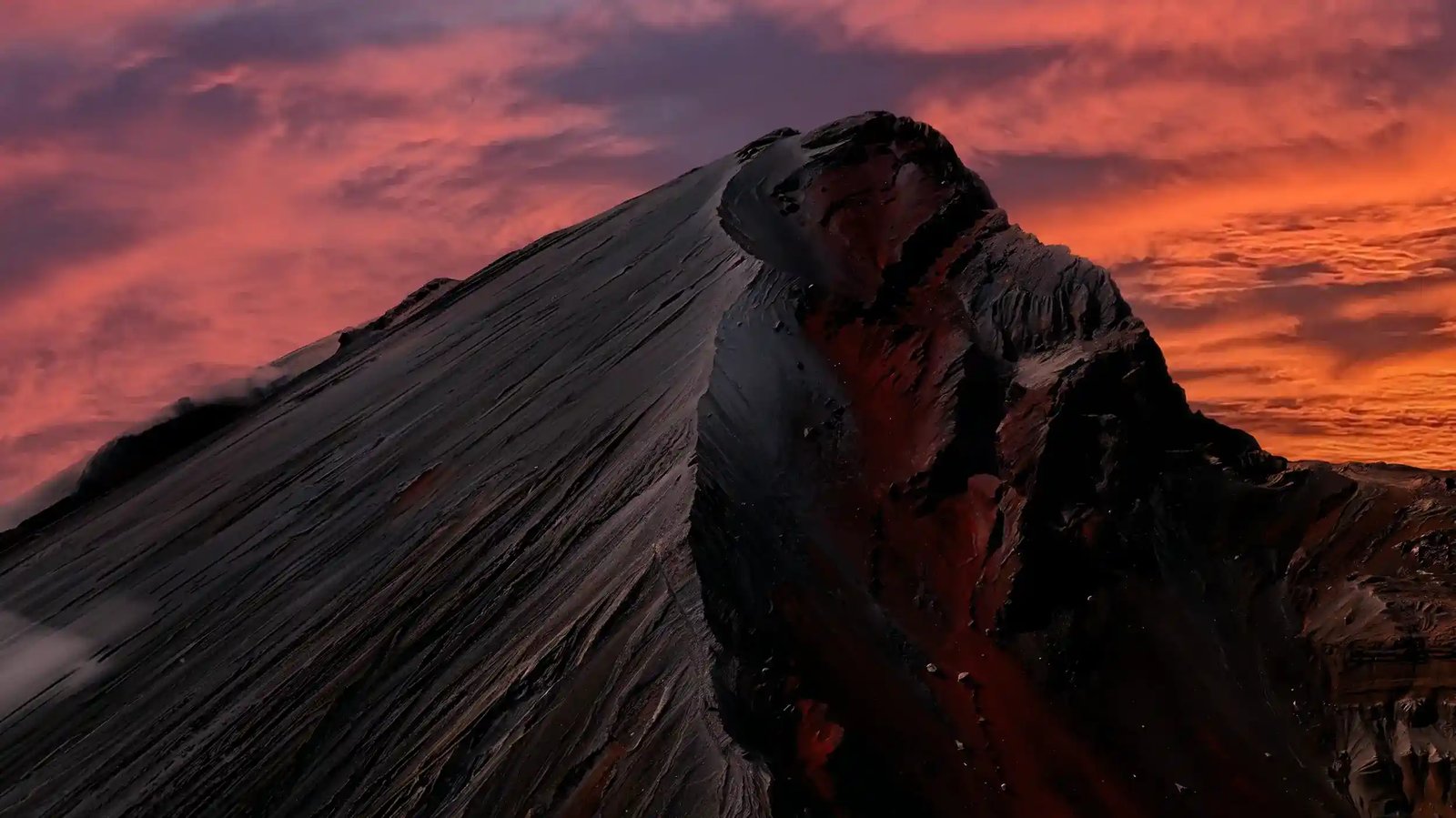
Coverage on paper and a helicopter in the air are two different things, and Rinjani’s own rescue record proves it. In the documented cases, an audible helicopter could not initially reach trekkers at Segara Anak Lake because of landing and weather problems, and the party expected a ground evacuation the next morning, with the airlift only happening later after weather improved. In a cliff rescue on the summit route, fog and overhangs complicated anchors and forced rescuers back, and the planned air evacuation was canceled in bad weather.
So the first honest answer is: your insurance can promise to pay for helicopter evacuation, and it should be checked for exactly that, but no insurer can promise an aircraft. Terrain and weather decide on the day, and a mountain that offers a crater lake at 2,000 meters depth below its rim does not always offer a landing zone.
What to verify in the policy is specific. Ask in writing about search and rescue, ground carryout by stretcher team, helicopter extraction, hospital treatment in Indonesia, and medical repatriation, with limits and the authorization procedure. Insurers that advertise emergency evacuation usually require medical necessity established by a physician and approval from their assistance team, so carry the emergency number and the certificate offline. On the mountain, the guide relays your GPS position, time, injury, and weather by radio to the park information center, and the insurer’s role starts after that call.
Costs are a black box that deserves a warning. There is no verified fixed price for a Rinjani helicopter sortie, a SAR stretcher team, or extra porters, and nobody should quote one. What is documented is that rope-and-personnel rescues can take multiple days, and that public SAR response, privately hired transport, hospital bills, and repatriation are different transactions that may be handled by different parties. Have the insurer authorize any chargeable service before accepting it.
The planning conclusion is simple: build a ground-only contingency into any Rinjani itinerary. Insurance finances the rescue, the guide’s radio starts it, and the weather has the final vote. We plan every trip on the assumption that help may arrive on foot, because on this mountain that is usually how it arrives.