 +62 859-2375-1379
 reservations@lombok-indonesia.org



 English
 العربية
 简体中文
 繁體中文
 Dansk
 Nederlands
 Français
 Deutsch
 हिन्दी
 Indonesia
 日本語
 한국어
 Melayu
 Polski
 Slovenščina
 Español
 ไทย
 Türkçe
 Українська
 Русский
Fit, tread and downhill control matter far more than the shoe label, because the summit approach is loose volcanic sand and gravel rather than a boots-versus-runners contest. A practiced hiker in broken-in trail shoes with aggressive tread climbs Rinjani perfectly well; someone who wants structure and ankle protection over long descents is equally well served in light hiking boots. Neither choice makes the sliding scree disappear.
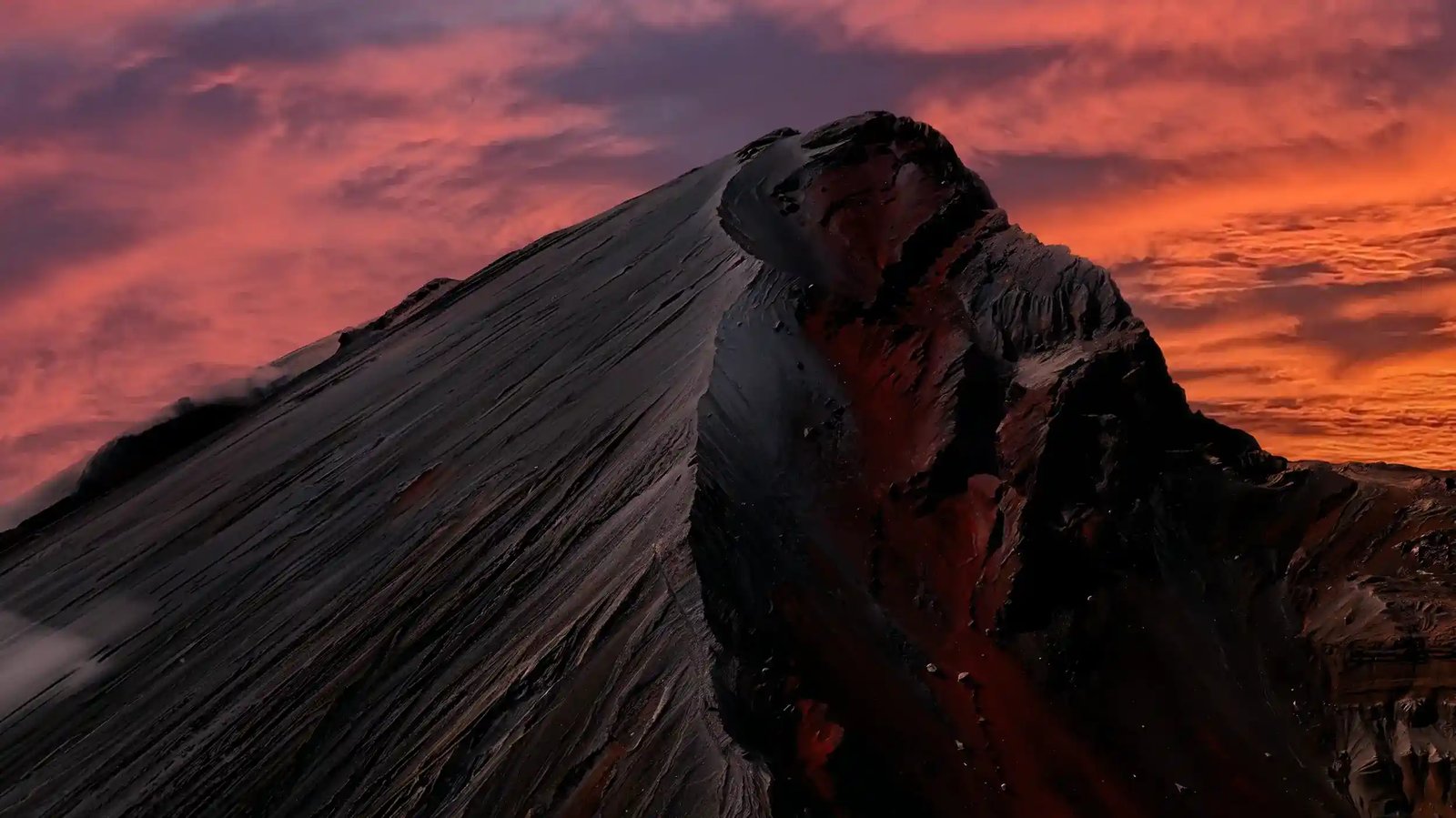
Understand what the ground does. The final climb from Plawangan Sembalun, the rim camp at about 2,639 meters, to the 3,726 meter summit runs on volcanic grit that gives way underfoot, and on the descent it behaves like a steep sand dune where every step slides back a little. The skill that matters is staying controlled downhill: short steps, weight over your feet, poles if your knees like them. High tops and deep lugs do not hold loose ash; technique does.
Local guidance for this mountain is honest about the trade-off, and it is worth reading both halves. Advice aimed at the summit’s loose sand favors trail shoes or light hiking shoes with aggressive tread, light and breathable on a hot climb. Separate local blister advice favors broken-in boots with moisture-wicking socks for the protection they give over long descents. Those are different recommendations for different problems, not a contradiction, and no controlled injury comparison exists for this route, so treat any claimed safety percentage for one shoe type as marketing.
Test before you fly. Wear your choice on a loaded downhill walk, on stairs and slopes rather than a shop carpet, with the exact socks you will wear on the mountain, and check that your heel locks without sliding. If your shoes are low-cut and sand worries you, a pair of short trail gaiters is a cheap fix. Our guides look at guests’ footwear at the pre-trek briefing and will say so when a shoe looks wrong for the descent, because foot problems on day two are far harder to fix than a packing list was on day zero.